
Elections – Minority Vote Shifts Stir New Political Dynamics in Bengal
Elections – West Bengal’s long-standing minority support base, which has been central to the Trinamool Congress (TMC) dominance for over a decade, is witnessing noticeable changes ahead of the 2026 assembly elections. Emerging political players, revived opposition efforts, and growing local concerns are collectively reshaping the electoral equation in the state.
Growing Competition for Minority Votes
For years, minority voters—who make up nearly 30 percent of the electorate—have largely backed the TMC, significantly influencing outcomes in more than a third of the state’s assembly seats. However, this once-solid voting bloc is now seeing increased competition, with multiple parties attempting to gain ground.
New entrants and smaller political groups are actively reaching out to these voters, creating a more fragmented landscape. Analysts suggest that this shift could have a meaningful impact, especially in closely contested constituencies.
Emergence of New Political Forces
Several regional players are contributing to the evolving political scenario. The Indian Secular Front (ISF), led by Nawsad Siddique, has been working to attract younger voters who feel disconnected from traditional parties. The party has focused on issues such as representation and local development, positioning itself as an alternative voice.
At the same time, former TMC leader Humayun Kabir has launched the Aam Janata Unnayan Party (AJUP) and is aligning with AIMIM. His campaign emphasizes political representation and identity, while also addressing emotive and community-specific concerns that may resonate with certain voter groups.
Kabir has expressed confidence that his platform could influence a large number of seats and play a decisive role in a fragmented electoral outcome.
Regional Variations in Political Sentiment
The shifting dynamics are particularly visible in districts such as Uttar Dinajpur, Murshidabad, and parts of South Bengal. In these regions, smaller parties have begun mobilizing support by highlighting local grievances and demanding greater political inclusion.
These localized movements suggest that voter behavior may no longer follow a uniform pattern across the state, making the upcoming elections more unpredictable than previous ones.
Congress Attempts to Regain Ground
The Congress party is also making efforts to rebuild its traditional support base in districts like Malda and Murshidabad. Once strongholds of the party, these regions have seen renewed political activity in recent years.
Leaders within the party point to improved performances in recent elections as evidence that some minority voters are reconsidering their choices. The Congress, in alliance with Left parties, aims to consolidate opposition votes and present a stronger challenge to the ruling party.
BJP’s Perspective on Changing Trends
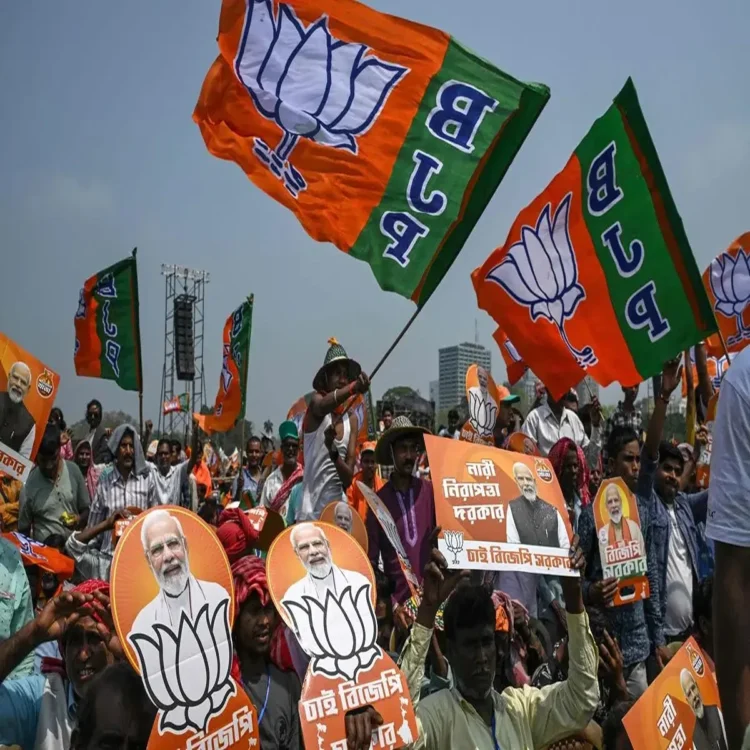
The Bharatiya Janata Party (BJP) has consistently argued that the minority vote is likely to split in the upcoming elections. Party leaders claim that dissatisfaction with governance and unmet expectations could lead some voters to explore alternatives.
While the BJP has traditionally had limited support among minority communities, it continues to frame the evolving situation as an opportunity to weaken the TMC’s electoral dominance.
Electoral Roll Scrutiny Adds Complexity
Another factor influencing the political climate is the ongoing scrutiny of electoral rolls. A significant number of voters under review are concentrated in minority-heavy districts such as Murshidabad, Malda, and the 24 Parganas.
These areas collectively account for a large number of assembly seats and have historically been strongholds of the TMC. Analysts note that while such scrutiny could potentially affect voter turnout, it might also lead to stronger consolidation if communities feel their status is being challenged.
Key Issues Driving Voter Sentiment
Several policy-related concerns have surfaced in political discussions, including debates around reservation policies, changes in Waqf regulations, and issues related to madrasa recruitment and minority educational institutions.
These topics have contributed to a sense of unease among certain sections of voters, potentially influencing their political preferences.
TMC Remains Confident Despite Challenges
Despite the emerging challenges, the TMC leadership remains optimistic about retaining its core support base. Party representatives argue that minority voters will ultimately prioritize stability and continuity, especially in the face of competing political narratives.
They also contend that smaller parties may divide votes but are unlikely to significantly alter the overall outcome.
As the 2026 elections approach, the evolving dynamics suggest that West Bengal could witness one of its most competitive political contests in recent years, with minority voters once again playing a crucial role in determining the final outcome.