
EnergyCrisis – Rising Gulf Tensions Threaten India’s Fuel Supply Stability
EnergyCrisis – India is facing mounting pressure on its energy supply chain as tensions in West Asia continue to disrupt the flow of oil and gas from the Gulf region. Senior Congress leader Shashi Tharoor has cautioned that the ongoing conflict could have far-reaching consequences for the Indian economy, particularly if it continues for an extended period.
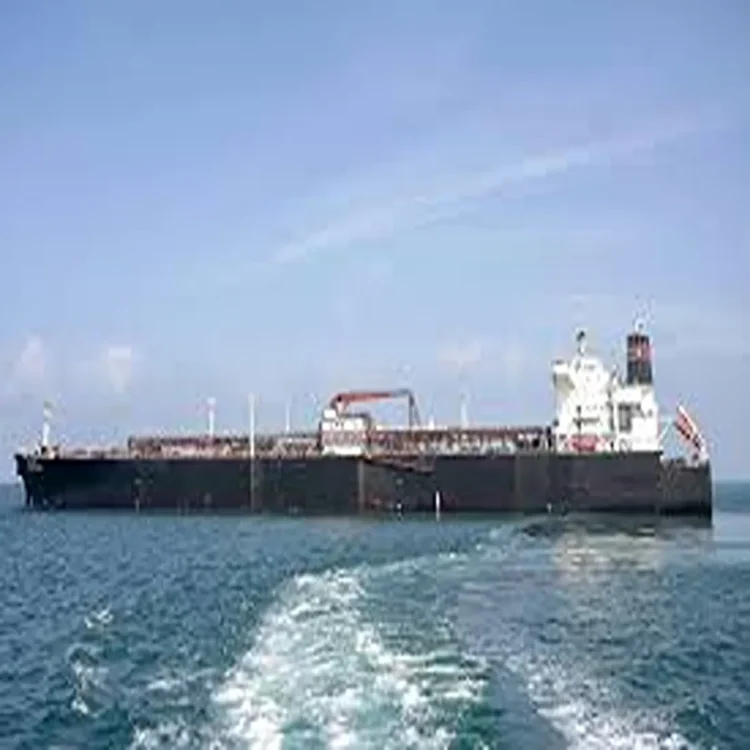
Supply Disruptions Raise Immediate Concerns
According to Tharoor, the conflict involving Israel and the United States on one side and Iran on the other has significantly impacted the availability of fuel supplies. The Gulf region, which accounts for a major share of India’s oil and gas imports, is currently unable to meet usual demand levels.
He noted that shipments of essential fuels such as crude oil, petrol, diesel, liquefied natural gas (LNG), and liquefied petroleum gas (LPG) have been arriving in much smaller quantities. In some cases, deliveries are limited to brief shipments that barely meet a day or two of demand. This has started to affect daily life, with reports of shortages impacting households, eateries, and small businesses across the country.
Economic Ripple Effects Begin to Surface
The disruption in fuel supply is not limited to domestic consumption alone. Tharoor pointed out that the broader economic impact could be substantial. Reduced availability of fuel can slow down industrial production, which in turn may affect employment levels and consumer spending.
Factories dependent on consistent energy supply are particularly vulnerable. Any slowdown in manufacturing activity could trigger a chain reaction across sectors, affecting logistics, retail, and services. As energy costs rise, businesses may also face increased operational expenses, further adding to inflationary pressures.
Sharp Rise in Global Crude Prices
Another major concern is the surge in global crude oil prices. Tharoor highlighted that prices have climbed sharply since the conflict began, rising from around USD 64 per barrel to levels fluctuating between USD 100 and USD 120. This increase is likely to translate into higher fuel prices domestically.
The rise in petrol and diesel prices could have a cascading effect on transportation costs, ultimately influencing the prices of essential goods and services. This phenomenon, often referred to as fuel-driven inflation, may place additional financial strain on consumers.
Limited Options but Strategic Adjustments Possible
While acknowledging the challenges, Tharoor suggested that India still has some room to maneuver. One approach is diversifying sources of energy imports to reduce reliance on the Gulf region during the crisis. He also emphasized the importance of expanding free trade agreements with other countries to strengthen export opportunities and economic resilience.
India has already increased its purchase of crude oil from Russia following certain relaxations in sanctions. However, Tharoor pointed out that this strategy does not fully address the shortage of gas supplies, which remains a critical concern.
Government Response and Global Concerns
The Indian government has also expressed concern over recent attacks on energy infrastructure in the Gulf region. Officials have described such actions as deeply troubling, noting that they further destabilize an already uncertain global energy environment.
The Ministry of External Affairs has reiterated that targeting civilian infrastructure, including energy facilities, is unacceptable and must stop. India continues to advocate for uninterrupted movement of goods and energy supplies, which it considers essential for global stability.
Meanwhile, government representatives have indicated that India is actively exploring multiple options to secure fuel supplies. Efforts are underway to source LPG and other fuels from a wider range of countries, including Russia, to ensure that domestic demand is met.
Call for Diplomatic Resolution
Tharoor also stressed the need for international efforts to de-escalate the conflict. He suggested that prolonged hostilities could lead to severe global shortages and urged major world powers to act responsibly in seeking a resolution.
As the situation evolves, India remains in a challenging position, balancing immediate energy needs with long-term strategic planning. The coming weeks are likely to be crucial in determining how effectively the country can navigate the ongoing crisis.