
ReligionLaw – Chhattisgarh Assembly Introduces Bill to Regulate Religious Conversions
ReligionLaw – The Chhattisgarh government on Thursday presented a new bill in the state assembly designed to address religious conversions carried out through coercion, inducements, deception, or misrepresentation.
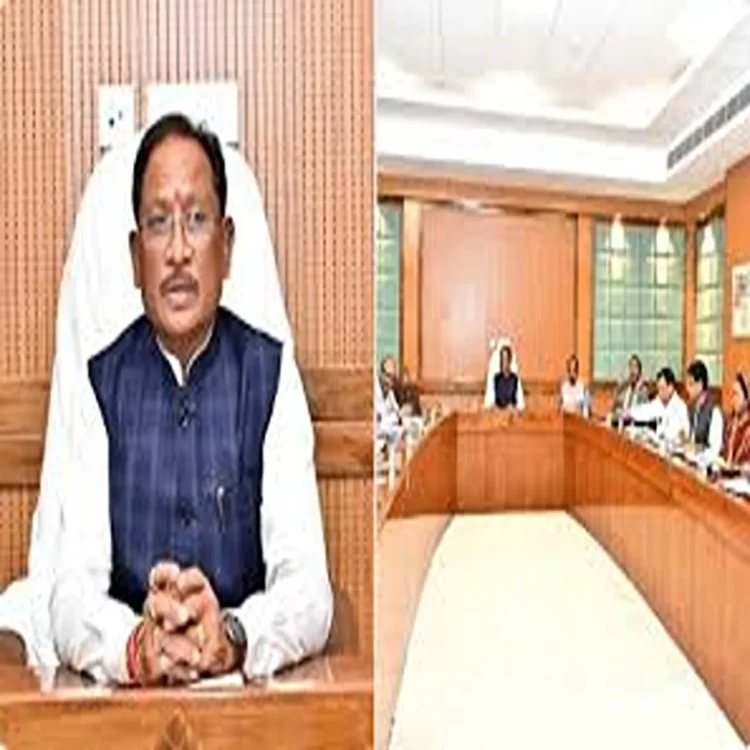
The proposed law, introduced by Deputy Chief Minister Vijay Sharma, who also oversees the Home Department, is titled the Chhattisgarh Freedom of Religion Bill, 2026. The bill has been formally placed before the House, with detailed discussions expected to take place in the coming days.
Objective of the Proposed Legislation
The primary aim of the bill is to prevent conversions from one religion to another when such actions involve pressure, undue influence, or misleading claims. According to officials, the legislation seeks to create a clearer legal structure to handle cases where individuals may be persuaded or compelled to change their faith under questionable circumstances.
The move comes after the state cabinet approved the proposal last week, indicating the government’s intention to strengthen existing safeguards against unlawful conversion practices.
Expansion of Existing Legal Provisions
Speaking earlier about the bill, Vijay Sharma explained that the new legislation builds upon provisions that have been in place for decades. He highlighted that the earlier framework, originally introduced in 1968, did not fully account for modern methods through which inducement or influence can occur.
The updated bill broadens the definition of inducement, recognizing that incentives may now extend beyond traditional forms. These could include financial benefits, digital offers, or other indirect means that may influence an individual’s decision.
Addressing Modern Forms of Influence
Officials noted that the bill also considers evolving forms of pressure. While earlier laws focused largely on direct or physical coercion, the new proposal includes both overt and subtle threats. These may involve social, economic, or psychological elements that could impact a person’s choice.
The government has indicated that such changes are necessary to reflect current realities, where communication and influence can spread rapidly through digital platforms and organized networks.
Safeguarding Constitutional Rights
Despite its focus on regulation, the state government has emphasized that the bill is designed to respect constitutional freedoms. Authorities have stated that the legislation aims to strike a balance between protecting individual rights and preventing activities that could disrupt social harmony.
According to Sharma, the legal framework has been carefully structured to ensure that voluntary and genuine expressions of faith remain protected. The intent, he said, is not to interfere with personal beliefs but to prevent misuse of influence in sensitive matters related to religion.
Background of Existing Law
At present, Chhattisgarh operates under the Chhattisgarh Freedom of Religion Act, 1968. This law was originally adopted from Madhya Pradesh following the formation of the state in 2000.
Over the years, the act has provided a basic mechanism to address cases of forced or fraudulent conversions. However, officials believe that changing social and technological conditions have made it necessary to revisit and update the legal provisions.
Next Steps in the Legislative Process
The bill’s introduction marks the first stage of the legislative process. Lawmakers are expected to debate its provisions in detail, with potential amendments and clarifications likely to emerge during discussions.
If passed, the new law would replace or significantly modify the existing framework, bringing in updated definitions and enforcement measures.
The development reflects a broader trend among several states reviewing their legal approaches to religious conversion, particularly in light of evolving methods of influence and communication.