
Governance – Jharkhand High Court Raises Alarm Over Long Vacant Posts
Governance – The Jharkhand High Court has voiced strong concern over the prolonged absence of appointments in several key constitutional bodies, noting that such delays undermine the functioning of democratic institutions.
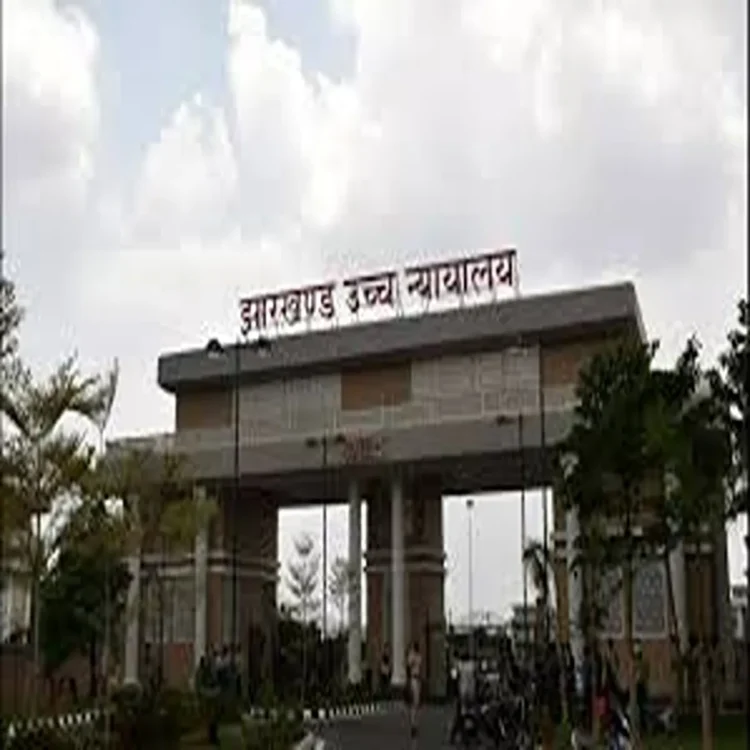
The Court made these observations while hearing a public interest litigation that questioned the continued vacancies in positions of Chairpersons and Members across important statutory bodies in the state.
Court Calls Vacancies Unacceptable
A Division Bench led by Chief Justice MS Sonak and Justice Rajesh Shankar stated that leaving constitutional institutions inactive for more than four years cannot be justified under any circumstances. The judges emphasized that these bodies are central to maintaining governance standards and accountability.
The Bench directed the Jharkhand government to take immediate steps to fill all pending vacancies and ensure that these institutions resume their operations without further delay. It also cautioned that failure to act promptly could lead to strict judicial intervention.
Impact on Democratic Framework
The Court underlined that constitutional bodies form the backbone of a democratic system. According to the Bench, the absence of key officials severely hampers their ability to function effectively, thereby weakening institutional oversight and governance mechanisms.
The judges stressed that keeping such posts vacant for extended periods affects not only administrative efficiency but also public trust in the system.
Earlier Warnings Ignored
This is not the first time the High Court has expressed dissatisfaction over the issue. In earlier hearings, the Court had instructed the state government to initiate the appointment process within a specified timeline.
It had also sought explanations for the repeated delays and questioned why the selection procedures had not been completed. On some occasions, the Court even suggested interim arrangements to ensure that these bodies did not remain completely non-functional.
Despite these directions, the situation has shown little improvement, prompting the Court to adopt a firmer approach in the latest hearing.
Government Cites Legislative Session
During the proceedings, Advocate General Rajiv Ranjan, representing the state government, informed the Court that steps are being taken to accelerate the appointment process. He specifically mentioned that preparations are underway to appoint officials, including the Lokayukta.
He added that a meeting required for the Lokayukta appointment would be held soon, as it requires the participation of both the Chief Minister and the Leader of the Opposition. However, he noted that both leaders are currently engaged in the ongoing Legislative Assembly session.
Petitioner Highlights Repeated Delays
Counsel for the petitioner, Rajkumar, argued that the government has repeatedly sought adjournments in the matter. According to him, over 50 adjournments have been requested so far, yet there has been no meaningful progress in filling the vacancies.
He pointed out that despite multiple assurances, the appointment process continues to remain incomplete, raising concerns about the seriousness of the efforts being made.
Previous Deadline Not Met
The Court had earlier directed the government to appoint the Lokayukta within a six-week period during a previous hearing. However, this directive has not been fulfilled, further adding to the Court’s dissatisfaction.
For the past four years, several key posts have remained unfilled, with the government citing various reasons for the delay on each occasion. The Bench indicated that such explanations are no longer sufficient.
Next Hearing Scheduled
The High Court has scheduled the next hearing of the case for March 23. The Bench is expected to review the progress made by the state government and may consider further action if the delays continue.
The case highlights ongoing concerns about administrative accountability and the need for timely appointments to ensure that constitutional bodies can function as intended.