
War – Iranians in Delhi Struggle With Anxiety as Conflict Escalates Back Home
War – When 63-year-old Hesarakei Nemat arrived in Delhi on February 25 for what was meant to be a short family visit, he expected to return home within a week. Instead, just three days after his arrival, tensions in his home country escalated into a large-scale conflict. Since then, the resident of Qom, a city located south of Tehran, has been living with constant worry, unable to reach his loved ones while reports of strikes and explosions continue to emerge from across Iran.
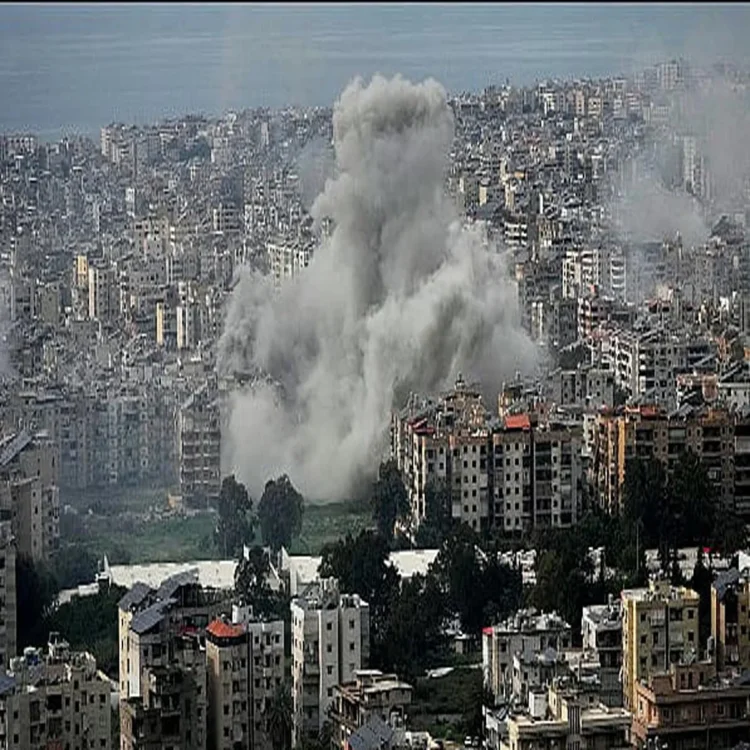
For members of the Iranian community living in India and elsewhere, the past two weeks have been filled with uncertainty and distress. According to official estimates, around 300 Iranian nationals currently live in Delhi. The situation grew dramatically tense after February 28, when Israeli and US forces carried out pre-emptive strikes that triggered a wider confrontation. Iran later responded with retaliatory action, and international media reports indicate that the conflict has caused heavy civilian casualties, with more than 1,300 deaths and over 15,000 injuries reported so far. Among those killed was Iran’s Supreme Leader, Ayatollah Ali Khamenei.
Academic Pressure and Emotional Stress
Leila Ahmadi, a doctoral student from Tehran pursuing her PhD in Delhi, describes the past several weeks as emotionally overwhelming. The sudden escalation of violence back home disrupted her routine and made it difficult to focus on her academic work. Eventually, she sought professional counselling to deal with rising anxiety and stress.
Ahmadi says that the emotional burden of being away from home has been intensified by uncertainty about her family’s safety. Her mother had travelled to Delhi for a visit and is now unable to return, while her younger sister remains in Iran. Their family home suffered partial damage during recent airstrikes, and communication has become rare. The last time she managed to speak with her sister was two days ago.
She believes that international interventions often complicate already fragile situations. According to her, countries may have internal political or social challenges, but external involvement in the name of political reform frequently leads to prolonged instability.
Before the conflict intensified, Ahmadi had been considering applying for work opportunities abroad, possibly in Germany. However, the unfolding crisis has shifted her priorities. She now hopes to complete her research as soon as possible and eventually return to Iran.
Despite the uncertainty surrounding the future, she says the Iranian people have a long history of resilience. Hardship and conflict, she believes, have shaped a society accustomed to enduring difficult times.
Limited Contact With Families
For many Iranians living outside the country, staying in touch with relatives has become increasingly challenging. Communication networks in several parts of Iran have been disrupted, making phone calls and internet-based messaging unreliable. As a result, many families now depend on updates relayed through diplomatic channels.
At the Iran Cultural House near Mandi House in Delhi, the atmosphere has been particularly active in recent days. Visitors have been arriving throughout the day to express condolences following the death of the country’s top leader. Officials at the centre say a memorial gathering held on March 1 drew thousands of attendees from different parts of India.
Ali Hosseini, who works in the cultural department of the Iranian embassy, has been coordinating with visitors and helping manage communications. Although he was born and raised in Hyderabad, his parents migrated from Iran during the 1940s, and he spent nearly two decades living in Mashhad, one of the country’s prominent religious cities.
Hosseini says the embassy has tried to establish satellite communication systems to maintain some level of contact with people inside Iran. While his own relatives remain safe, reports of rising civilian casualties and attacks on military infrastructure have heightened concerns.
Economic Concerns Among Business Owners
The crisis has also affected Iranian entrepreneurs living in Delhi. Hassan Karimi, a businessman originally from Tehran who has lived in India since 2022, says the situation is particularly worrying because Iran’s economy had already been under pressure from inflation and a prolonged slowdown.
Karimi notes that geopolitical conflict often worsens existing economic difficulties. Over the past few days, he has also been assisting Iranian families who are stranded in Delhi by helping them arrange accommodation and other basic support.
Contact with his own family has been sporadic. His brother, who works in emergency services in Iran, managed to send a brief text message three days ago confirming that the family was safe. However, internet access in many areas remains restricted, and working virtual private networks have become both scarce and costly.
Homesickness Amid Uncertainty
As the conflict continues without a clear timeline for resolution, many Iranians living in Delhi say they deeply miss their homeland. Ahmadi recalls everyday moments from life in Tehran, such as walking through familiar neighbourhoods, meeting friends, and attending cultural events.
Karimi echoes similar feelings. He describes Iran as a country rich in art, literature, and intellectual traditions, and hopes that stability will eventually return.
For Nemat, what began as a routine visit to relatives has turned into an anxious wait far from home. With limited information and uncertain travel conditions, he remains in Delhi, watching developments unfold while hoping for news that his family is safe.