
Agriculture – US Farm Leaders Warn Iran Conflict May Raise Fertiliser Costs
Agriculture – American farm leaders have cautioned lawmakers in Washington that escalating tensions involving Iran could significantly raise the global cost of fertilisers and fuel. The warning comes at a time when many farmers across the United States are already struggling with declining crop prices, rising operating expenses, and unstable international markets.
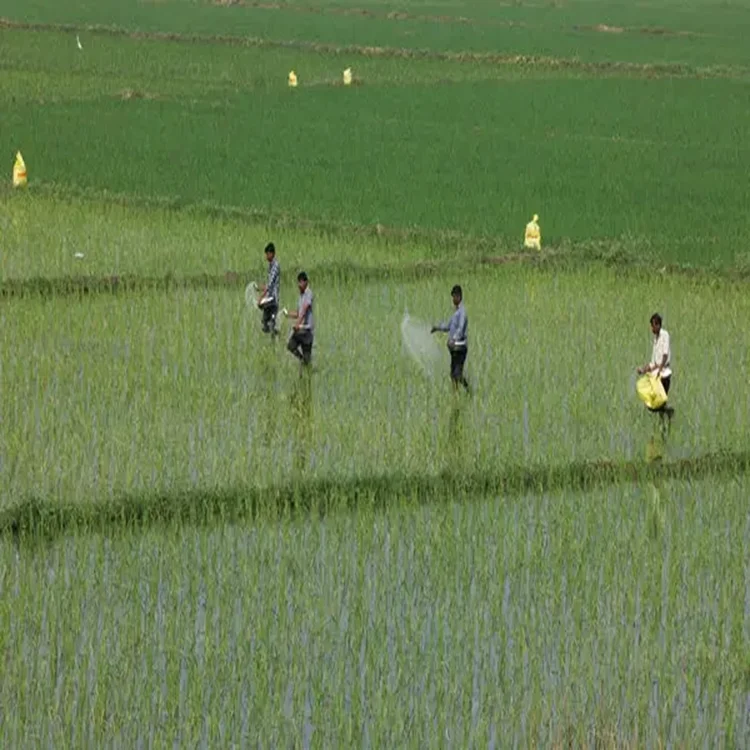
During a recent hearing of the Senate Agriculture Committee, agricultural representatives said geopolitical developments could intensify financial pressures on farms. The discussion focused on strengthening demand for American agricultural products while addressing the economic challenges farmers currently face.
Farm Leaders Highlight Rising Input Costs
Zippy Duvall, president of the American Farm Bureau Federation, told senators that global political instability has direct consequences for agriculture. According to his testimony, the conflict involving Iran could drive up energy prices and fertiliser costs, both of which are essential inputs for crop production.
Duvall explained that farmers are particularly vulnerable to sudden increases in these costs because fuel powers machinery and transportation while fertilisers are crucial for maintaining crop yields. If prices continue rising, he warned, many farmers may struggle to maintain profitable operations.
Farmers Facing Economic Pressure
Agricultural representatives told the committee that the sector is already dealing with significant financial strain. Matt Perdue, president of the North Dakota Farmers Union, said farmers are navigating a difficult economic environment marked by low commodity prices and expensive production inputs.
Perdue noted that family farms are experiencing a combination of economic and geopolitical challenges at the same time. While the cost of supplies such as fertilisers, fuel, and equipment continues to climb, market prices for many crops have remained relatively weak.
He also pointed out that uncertainty in global trade and political tensions have made agricultural markets increasingly unpredictable. According to Perdue, these external pressures are affecting both farm revenue and production costs.
Impact of Global Tensions on Agriculture
Perdue told lawmakers that international disputes are placing pressure on both sides of the farm economy. Rising geopolitical tensions can increase the cost of essential farm inputs while also creating instability in global agricultural markets.
Trade disputes, supply chain disruptions, and conflicts in key regions have made it harder for farmers to predict demand and prices. These conditions have added another layer of risk to an industry that already depends heavily on weather conditions and global trade.
Fertiliser Costs Remain a Major Concern
One of the most pressing issues discussed at the hearing was the growing cost of fertilisers. These products represent a large share of production expenses for major crops such as wheat, corn, and soybeans.
Lawmakers expressed concern that disruptions in global supply routes could make the situation worse. Senator Tina Smith highlighted potential risks linked to tensions in the Strait of Hormuz, an important shipping corridor for energy and fertiliser-related materials.
Smith noted that fertiliser already accounts for roughly 40 percent of the production cost of wheat per acre. With prices rising sharply, she warned that some farmers may find it difficult to maintain financially sustainable operations.
Farm Economy Under Severe Strain
Committee Chairman John Boozman said many farmers are currently operating under extremely tight financial conditions. He told the hearing that in some regions, particularly in Arkansas, producers are losing money on major row crops.
According to Boozman, the past three years have been particularly challenging for agricultural producers nationwide. Falling crop prices, combined with high operating costs, have significantly reduced farm profitability.
Farm leaders also noted that many farmers are carrying substantial debt. Perdue warned that the agricultural sector is now dealing with historically high debt levels, exceeding those seen during the farm crisis of the 1980s.
Calls for Stronger Domestic Markets
Agricultural groups emphasized the importance of strengthening domestic demand for American-grown products. Duvall said expanding domestic markets could help reduce the industry’s exposure to global conflicts and trade disruptions.
While government support programs have helped farmers navigate recent crises, farm leaders argued that long-term stability will require broader market opportunities and policies that address rising production costs.
They told lawmakers that improving domestic demand, stabilizing input prices, and maintaining reliable trade relationships will be key to protecting the long-term health of the US agricultural sector.