
FoodSafety – Major Crackdown on Adulterated Oil in Kanpur
FoodSafety – In a sweeping operation aimed at curbing food adulteration, authorities in Uttar Pradesh have seized nearly 14,000 litres of suspected adulterated oil and more than 1,300 kilograms of coloured waste material during coordinated raids in Kanpur. The action was carried out jointly by the state’s Food Safety and Drug Administration and the national food regulator as part of heightened surveillance before the festive season.
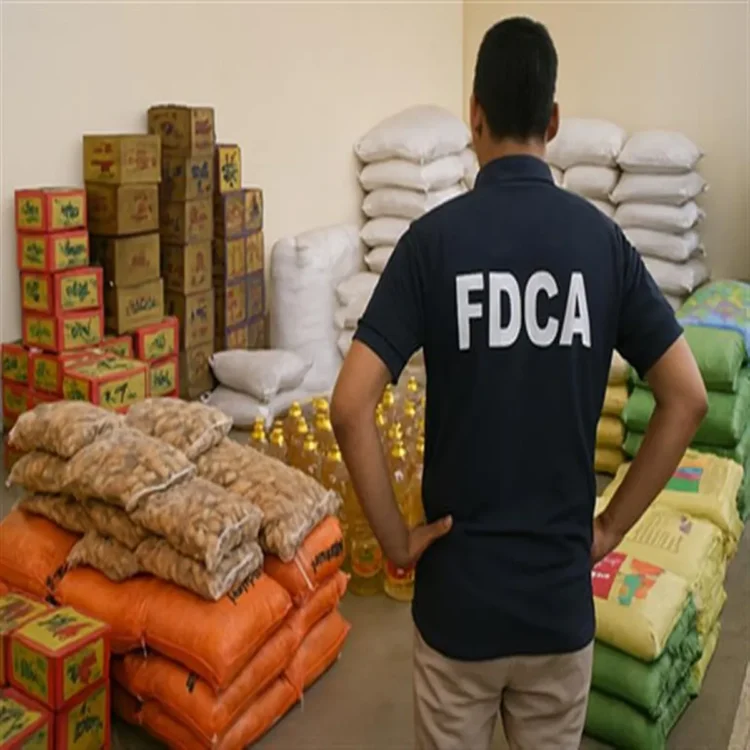
Large-Scale Seizure in Kanpur
Officials confirmed that 13,972 litres of edible oil believed to be adulterated were confiscated during inspections across multiple locations in the city. In addition, 1,350 kilograms of artificially coloured waste material were recovered, raising concerns about the potential health risks posed by contaminated food products entering the market.
A separate raid in Kalyanpur uncovered a unit allegedly involved in the production of counterfeit ghee. Authorities seized goods worth approximately ₹5.45 lakh from the premises. All collected samples have been dispatched to accredited laboratories for detailed examination to determine the extent of adulteration and any violations of food safety norms.
Surprise Inspections Across Key Facilities
The enforcement drive has been expanded across urban centres as demand for food products typically rises ahead of major festivals. Inspections were conducted at cold storage units, dairies and sweet shops to prevent substandard or unsafe items from reaching consumers.
In Lucknow, officials carried out checks at Swaroop Cold Storage in Aishbagh and Himalayan Cold Storage on Ayodhya Road. Dairies in the Havetmau area along Rae Bareli Road were also inspected, with samples taken for laboratory testing. Food items were seized from a warehouse in Aminabad during the operation.
During the broader campaign, 1,320 kilograms of dates were confiscated after irregularities were detected. Authorities also seized 1,418 kilograms of coloured kachri, a dried vegetable product, citing concerns over artificial colouring and quality standards.
According to officials, these measures are part of routine but intensified checks conducted during high-consumption periods such as Ramadan and Holi, when the risk of food adulteration tends to increase.
Focus on Preventive Enforcement
Authorities have reiterated that strict monitoring will continue in the coming weeks to safeguard public health. Surprise inspections are being carried out without prior notice, and enforcement teams are focusing on supply chains, storage facilities and retail outlets to identify violations at multiple stages.
Food safety experts note that adulteration not only compromises product quality but can also lead to serious health consequences, particularly when edible oils and dairy products are involved. By targeting both manufacturing units and distribution points, regulators aim to disrupt networks that produce or circulate substandard goods.
National Push for Risk-Based Regulation
Separately, the Food Safety and Standards Authority of India recently introduced a comprehensive online training programme dedicated to food safety risk assessment. The initiative includes a digital learning portal designed to strengthen scientific capacity within India’s food regulatory system.
The programme aligns with globally accepted risk analysis principles while addressing India’s specific regulatory requirements. Officials said that as food systems become more complex due to new contaminants, antimicrobial resistance, technological advances and evolving dietary patterns, building expertise in risk assessment is critical for informed decision-making.
A central component of the training focuses on dietary exposure assessment. Developed with technical support from the World Health Organization, the module has been delivered by experts associated with international scientific committees that evaluate food additives, microbiological risks and pesticide residues.
Regulators believe that enhancing institutional knowledge in risk analysis will improve transparency and ensure evidence-based standards in the food sector.
With enforcement drives underway and regulatory capacity being strengthened at the national level, authorities say they remain committed to ensuring that food products available in the market meet established safety standards, particularly during periods of increased consumer demand.