
Black History Month – Trump Highlights Policy Record at White House Event
Black History Month – US President Donald Trump hosted a reception at the White House on Wednesday to mark the centennial observance of Black History Month, using the platform to outline his administration’s work on criminal justice reform, economic growth, and public safety. The event brought together community leaders, officials, and invited guests to reflect on the contributions of African Americans to the nation’s history.
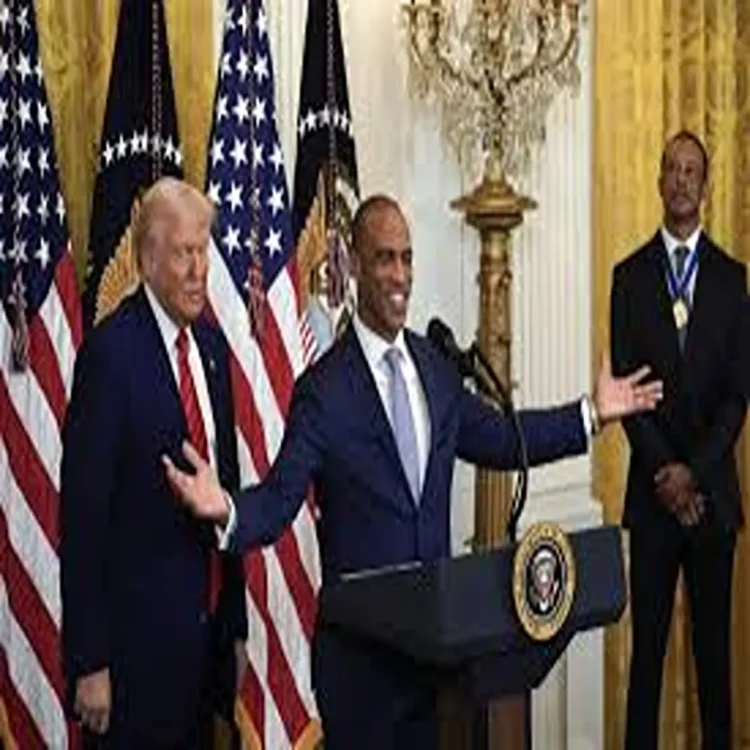
Tribute to Civil Rights Leaders
Opening the ceremony, Trump noted the significance of the 100th year of Black History Month commemorations, describing the milestone as an important moment. He began his remarks by acknowledging the late civil rights leader Jesse Jackson, offering words of respect for his decades of activism and public service.
The President then shifted to recognise several individuals in attendance, highlighting figures involved in legal and public policy matters. During his remarks, he referenced ongoing legal scrutiny involving leading universities and pointed to Harmeet Kaur Dhillon, who currently serves as Assistant Attorney General for the Civil Rights Division at the US Department of Justice.
Spotlight on Harmeet Dhillon’s Role
Dhillon, an Indian American attorney appointed to her post in 2025, has previously held senior positions within the Republican Party in California. Her appointment to oversee civil rights enforcement placed her among the highest-ranking Indian Americans in the Trump administration. Trump briefly alluded to her work in addressing legal disputes involving major academic institutions, drawing applause from attendees.
For many observers, her mention at a White House ceremony underscored the increasing presence of Indian Americans in prominent federal roles, particularly in departments handling sensitive civil rights matters.
Criminal Justice Reform in Focus
A substantial portion of Trump’s address centered on criminal justice reform. He pointed to the passage of the First Step Act during his first term, describing it as a landmark effort to revise sentencing guidelines and expand rehabilitation programs for federal inmates. The bipartisan legislation, signed into law in 2018, aimed to reduce recidivism and address disparities within the federal prison system.
Trump argued that the measure fulfilled a long-standing demand for reform and credited his administration with achieving what earlier efforts had not accomplished. He framed the legislation as part of a broader commitment to fairness and public safety.
Economic and Education Initiatives
Turning to the economy, Trump said employment levels had reached historic highs and that wage growth was outpacing inflation. He also cited repeated record performances in the stock market since the election, describing the United States as economically competitive on the global stage.
The President further highlighted federal support for historically Black colleges and universities, noting the approval of long-term funding commitments during his tenure. He also referenced the creation of thousands of designated opportunity zones aimed at encouraging investment in underserved communities.
A Personal Testimony
The reception included remarks from Alice Marie Johnson, whose life sentence for a nonviolent drug offense was commuted by Trump during his first term. Johnson shared her personal journey from incarceration to advocacy, describing the experience as uniquely American and expressing gratitude for the clemency decision that changed her life.
Her comments were met with applause, adding a personal dimension to the broader policy discussion taking place at the event.
Observing Black History Month
Black History Month is observed each February across the United States to honor the achievements and enduring contributions of African Americans. This year’s centennial observance provided an opportunity for reflection on civil rights progress and ongoing challenges.
Concluding the ceremony, Trump emphasized the importance of remembering past struggles while working toward what he described as a secure and prosperous future. The reception closed with a message of unity and continued engagement on issues affecting communities nationwide.