
Budget – Parliament Set for Full Debate on Union Budget 2026-27
Budget – The Indian Parliament is preparing for an extensive discussion on the Union Budget for the financial year 2026-27, with both Houses scheduled to deliberate on the government’s fiscal proposals on Tuesday.
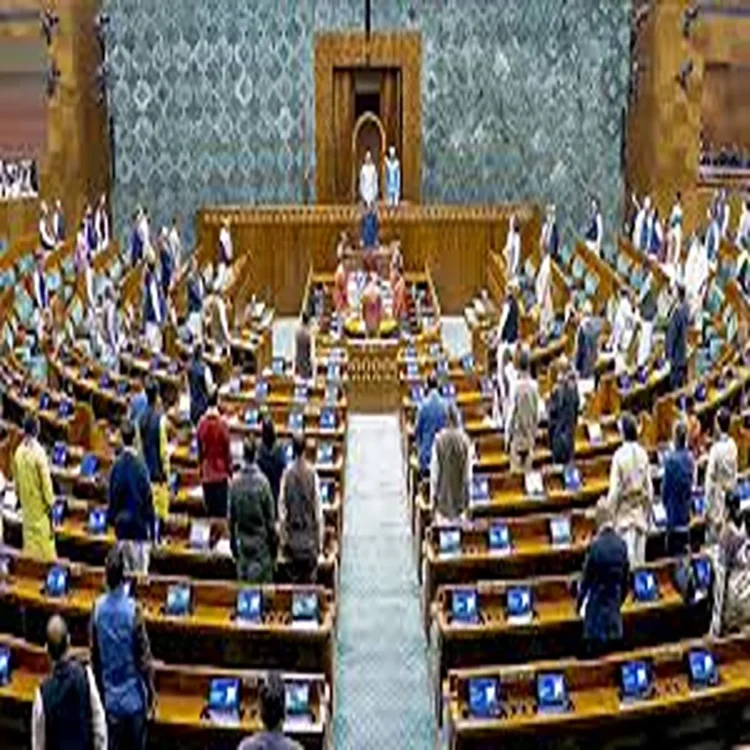
The Rajya Sabha will continue its ongoing debate on the Budget, while the Lok Sabha is expected to begin its discussion after a temporary deadlock between the opposition and the treasury benches was resolved.
Key Reports to Be Tabled in Lok Sabha
According to the official agenda, Members of Parliament Azad Kirti Jha and Robert Bruce C will present reports of the Standing Committee on Chemicals and Fertilisers in the Lok Sabha. These reports are part of routine parliamentary oversight aimed at reviewing policy implementation and sectoral performance.
In addition, Jitin Prasada is set to deliver a statement outlining the government’s progress on recommendations made in the 188th Report of the Standing Committee on Commerce. The report focuses on developing a comprehensive strategy to identify major export products and target countries in order to boost exports and reduce import dependency. The statement will provide an update on the measures undertaken so far.
Developments in Rajya Sabha
In the Upper House, members Rwngwra Narzary and Naresh Bansal will lay on the table the reports of the Department-related Parliamentary Standing Committee on Chemicals and Fertilisers for the year 2025-26.
Minister of State for Petroleum and Natural Gas Suresh Gopi is also scheduled to present a status report concerning the implementation of recommendations linked to petroleum policy. His statement relates to action taken by the government following observations made in earlier committee reports reviewing India’s crude oil import policy. The review forms part of ongoing efforts to evaluate energy security and import strategies within the Ministry of Petroleum and Natural Gas.
Opposition Criticism During Budget Debate
The debate in the Rajya Sabha began on Monday, where several opposition leaders raised concerns over the direction of fiscal policy.
Former Finance Minister and senior Congress leader P. Chidambaram opened his remarks by criticizing the Budget’s approach. He described it as limited in scope and argued that it fails to adequately address pressing economic concerns.
Referring to findings in the Economic Survey, Chidambaram pointed to what he termed structural weaknesses in investment trends. He noted that gross fixed capital formation has hovered around 30 percent of GDP for over a decade. He further highlighted a decline in net foreign direct investment during 2024-25 and observed that foreign portfolio investors have been withdrawing funds. According to him, private sector investment remains subdued despite strong corporate balance sheets, and public capital expenditure has been reduced at a time when broader investment activity is constrained.
He also mentioned spending cuts in areas such as agriculture, rural development and the Jal Jeevan Mission, arguing that these sectors require sustained public support.
Concerns Raised Over Rural and Farmer Interests
Congress leader Randeep Singh Surjewala also participated in the discussion, expressing concern that the Budget does not sufficiently address the needs of rural communities and farmers. He alleged that certain trade arrangements, including the India-US trade framework, could adversely affect agricultural interests. The government has not issued a detailed response to these specific claims during the debate so far.
Government’s Position
Finance Minister Nirmala Sitharaman presented the Union Budget on February 1, marking her ninth consecutive Budget presentation. The government has maintained that the fiscal plan aims to balance growth, stability and long-term economic resilience. Treasury bench members are expected to respond to the opposition’s criticisms as the debate progresses in both Houses.
With discussions continuing in the Rajya Sabha and set to begin in the Lok Sabha, the Budget session is likely to witness detailed exchanges on investment trends, public spending priorities and economic strategy for the coming financial year.