
Southern Yemen at a Crossroads: Separatist Vision, Regional Tensions, and the Future of Statehood
Southern Yemen at a Crossroads: Yemen has once again entered a critical phase in its long-running conflict as southern separatist leaders outline a structured path toward independence. The announcement comes at a time of renewed military confrontations, shifting alliances, and increasing regional pressure, making the next two years potentially decisive for the country’s political and territorial future.
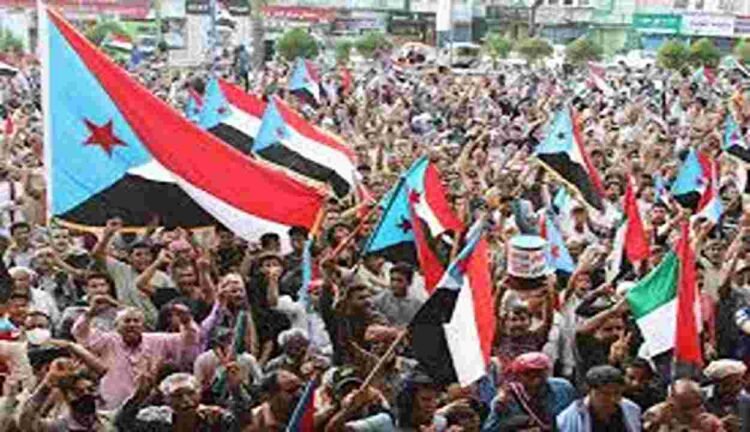
Background of the Southern Independence Movement
The roots of southern separatism in Yemen go back decades, long before the current civil war began. Southern Yemen existed as an independent state until unification with the north in 1990. Since then, many southerners have felt politically marginalized and economically neglected. These grievances gradually evolved into an organized political and military movement seeking self-rule.
The Southern Transitional Council, widely known as the STC, has positioned itself as the main representative of southern aspirations. Over the years, it has built strong influence in several southern provinces, establishing administrative structures and security forces that operate independently from the internationally recognized government.
Escalation in Hadramout Province
Tensions escalated sharply in Hadramout province, a strategically important region bordering Saudi Arabia. Armed confrontations erupted between forces loyal to the Saudi-backed provincial governor and fighters aligned with the STC. These clashes highlighted the fragile balance of power in eastern Yemen, where multiple armed actors compete for control.
According to local sources, air strikes targeted STC positions near the border, resulting in casualties and injuries. The STC accused Saudi Arabia of direct military involvement, while provincial authorities framed their actions as limited security measures aimed at restoring order rather than provoking wider conflict. Despite these assurances, the violence underscored how quickly local disputes can escalate into regional flashpoints.
Government Measures and Military Authority
The clashes followed a controversial decision by Yemen’s internationally recognized government to grant expanded military and administrative authority to the Hadramout governor. The move was presented as an effort to stabilize the province and unify command structures under state control. However, from the STC’s perspective, it was seen as a direct challenge to its influence and a threat to southern autonomy.
This decision intensified mistrust between southern forces and the central government, reinforcing the perception that political solutions are increasingly giving way to security-driven approaches.
Announcement of a Two-Year Transitional Plan
In response to the unfolding events, the STC leadership made a significant political declaration. It announced the beginning of a two-year transitional phase that would ultimately lead to a referendum on southern independence. The plan includes calls for internationally sponsored dialogue between representatives from the south and the north, aiming to reach a negotiated settlement.
The STC leadership emphasized that the transitional period is intended to create constitutional, political, and administrative foundations for an independent southern state. At the same time, it warned that if dialogue fails or if further military attacks occur, a unilateral declaration of independence could happen sooner than planned.
Reactions from Regional and Domestic Actors
The independence plan has been met with strong opposition from Yemen’s internationally recognized government and northern political groups. Many see the move as a direct threat to Yemen’s territorial unity and fear it could further fragment the country.
Saudi Arabia has expressed concern over the expanding presence of southern forces near its border, viewing it as a national security risk. Riyadh has also accused the United Arab Emirates of supporting and arming the STC, allegations that Abu Dhabi has firmly denied. The UAE has stated that it remains committed to regional stability and has confirmed the withdrawal of its remaining military forces from Yemen.
Coalition Strains and Internal Divisions
Although Saudi Arabia, the UAE, and the STC have all been part of a broader coalition opposing the Houthi movement, the southern independence push has exposed deep divisions within this alliance. Accusations, counter-accusations, and conflicting strategic priorities have weakened coordination and trust among former partners.
Senior Yemeni officials have warned that defying government decisions and maintaining armed control outside state institutions could undermine any chance of long-term stability. At the same time, STC leaders insist their forces will remain in southern provinces, arguing that they are protecting local interests and security.
Economic and Civil Aviation Disruptions
Political tensions have also spilled over into civilian life. Flights at Aden International Airport were suspended amid disputes between the STC and Saudi authorities. Each side blamed the other for imposing restrictions, while government advisers cited security and financial concerns as reasons for increased inspections. These disruptions have added to the daily hardships faced by civilians in the south.
What Lies Ahead for Yemen
The announcement of a two-year roadmap toward southern independence marks a pivotal moment in Yemen’s conflict. Whether it leads to meaningful dialogue, a peaceful referendum, or further confrontation remains uncertain. What is clear is that Yemen’s future will depend heavily on political compromise, regional diplomacy, and the willingness of all parties to prioritize stability over short-term gains.
As the transitional period begins, the international community faces renewed pressure to engage constructively, ensuring that Yemen’s next chapter does not deepen divisions but instead opens a realistic path toward lasting peace.