
Headline: Rising Military Activity Around Taiwan Signals Growing Regional Tensions
Headline: Taiwan has once again found itself at the center of heightened regional attention after detecting renewed military movements by China around its territory. These developments reflect an ongoing pattern of pressure that continues to affect not only defense preparedness but also civilian aviation and regional stability. The latest detection highlights how frequently such incidents are occurring and why they are closely monitored by regional and international observers.
Subheading: Recent Detection of Chinese Military Assets
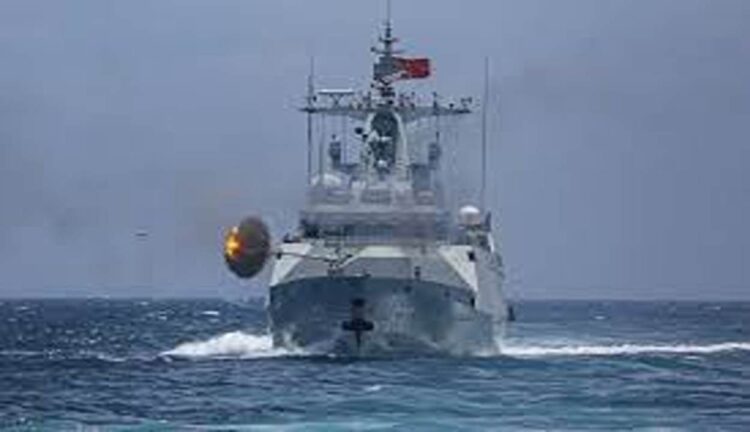
According to Taiwan’s Ministry of National Defence, early Saturday morning surveillance identified multiple Chinese military assets operating near the island. As of 6 a.m. local time, authorities detected four sorties of Chinese military aircraft, six naval vessels, and one official ship around Taiwan’s surrounding waters. One of the aircraft reportedly crossed the median line of the Taiwan Strait and entered Taiwan’s central air defense identification zone. The ministry confirmed that its forces closely monitored the situation and responded in line with established defense protocols.
Subheading: Official Response from Taiwan’s Defence Authorities
In a public statement shared through official communication channels, the Ministry of National Defence emphasized that the situation was under control. Taiwan’s armed forces tracked the movements in real time and carried out appropriate countermeasures. Such responses are part of Taiwan’s standard operating procedures, designed to ensure readiness without escalating tensions unnecessarily. Defense officials reiterated their commitment to safeguarding territorial integrity while maintaining regional peace.
Subheading: Similar Incidents Reported Earlier This Week
This was not an isolated incident. Just a day earlier, Taiwan had reported the presence of six Chinese naval vessels, one official ship, and two high-altitude balloons detected around its territorial waters. These repeated encounters underscore a consistent pattern of military and quasi-military activity. Taiwanese defense authorities again confirmed that the armed forces monitored these developments closely and took suitable action to ensure national security.
Subheading: Impact of Military Drills on Civil Aviation
Beyond military implications, China’s recent large-scale exercises near Taiwan have had tangible consequences for civilian life, particularly air travel. Large-scale drills conducted at the end of December caused widespread disruption across regional aviation networks. According to reports, hundreds of flights were either rerouted or canceled due to safety concerns arising from live-fire exercises. This level of disruption affected more than 100,000 passengers and highlighted how military activities can quickly spill over into civilian sectors.
Subheading: Extent of Flight Disruptions
Taiwan’s Civil Aviation Administration confirmed that the exercises affected a significant number of routes, including both international and domestic flights. In total, over 900 flights experienced delays or cancellations, with disruptions lasting nearly ten hours. Airlines were forced to adjust flight paths to avoid designated exercise zones, leading to increased operational costs and passenger inconvenience. These events demonstrated the vulnerability of regional air traffic to sudden military maneuvers.
Subheading: Expert Analysis and Strategic Implications
Defense analysts have raised concerns about the intent behind the timing and scale of these exercises. Experts argue that such operations go beyond routine training and are carefully designed to test responses and apply psychological pressure. A research fellow from Taiwan’s Institute for National Defence and Security Research described the drills as resembling a simulated blockade, aimed at recreating wartime conditions without direct conflict. This assessment has fueled debate about China’s broader strategic objectives in the region.
Subheading: Broader Regional and International Concerns
The continued military activity around Taiwan has drawn attention from neighboring countries and global stakeholders. Regional stability in East Asia is closely tied to the security of major shipping lanes and air routes that pass near Taiwan. Any prolonged disruption or escalation could have economic and diplomatic repercussions far beyond the immediate area. As a result, these incidents are being watched carefully by governments, defense experts, and international organizations.
Subheading: Looking Ahead
As military encounters around Taiwan become more frequent, the importance of clear communication, measured responses, and adherence to international norms grows stronger. Taiwan’s defense posture emphasizes vigilance without provocation, while the broader international community continues to call for restraint and dialogue. The situation remains fluid, and future developments will likely play a significant role in shaping the security landscape of the Indo-Pacific region.