
VoterRoll – Akhilesh Yadav Alleges Mass Deletion Plot in Uttar Pradesh
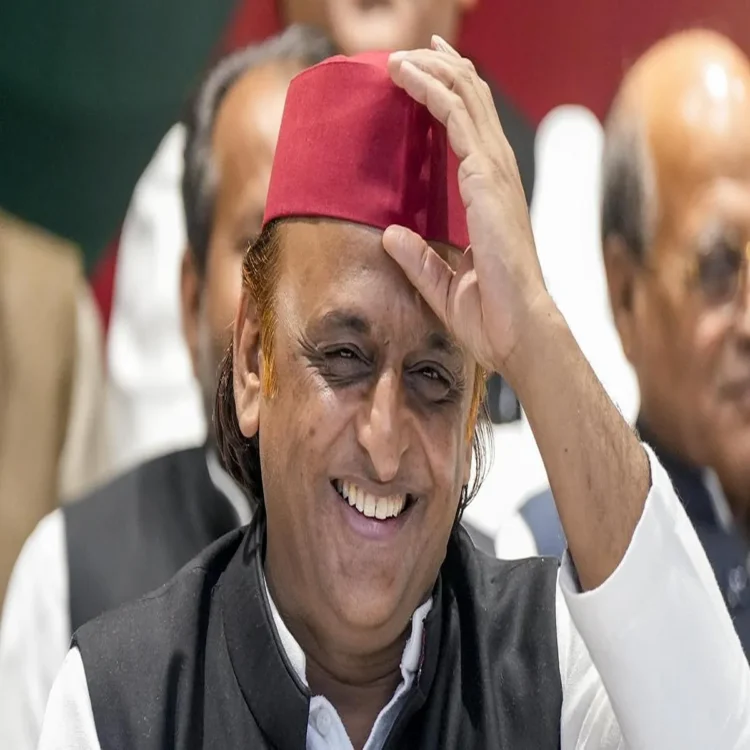
VoterRoll – Samajwadi Party chief Akhilesh Yadav on Thursday accused authorities in Uttar Pradesh of orchestrating a widespread effort to remove voters’ names from electoral rolls. He alleged that the process was being carried out through the misuse of Form 7, a provision meant for objections and corrections in voter lists. Yadav urged the Supreme Court to urgently examine the matter, stating that he had lost faith in other institutions to ensure fairness in electoral procedures.
Allegations of Manipulation in Voter Deletion Process
In a statement shared on social media, Akhilesh Yadav claimed that members of the Samajwadi Party had received reports suggesting deliberate attempts to delete names, particularly from communities identified as PDA—Pichhda, Dalit, and Alpsankhyak groups. According to him, the alleged actions were being carried out by individuals aligned with the ruling Bharatiya Janata Party and its allies.
Yadav asserted that booth level officers were allegedly facing coercion, intimidation, and undue pressure to remove legitimate voters. To support his claim, he shared a video featuring a man who identified himself as a booth official and described harassment he allegedly faced while carrying out his duties.
Understanding the Role of Form 7 in Electoral Rolls
Form 7 is used within India’s electoral system to challenge the inclusion of a voter or request the removal of a name already registered. While designed as a corrective measure, Yadav argued that the form was being exploited through falsified documentation to target specific groups. He warned that such actions could undermine constitutional voting rights and distort democratic representation in the state.
Demand for Judicial Intervention and Safeguards
Calling for swift action, Yadav requested the Supreme Court of India to halt what he described as irregular use of the form. He recommended several measures, including suspending all Form 7-related processes until transparent verification systems are established. He also sought the annulment of all Form 7 applications filed so far and demanded that authorities stop ongoing claim and objection procedures.
Additionally, Yadav called for the registration of police complaints against individuals allegedly forcing booth officials to remove voters’ names. He stressed the need for expedited hearings and a judicial inquiry to identify what he described as forces working against electoral integrity. He also appealed to journalists and administrative officials to help bring any irregularities to light.
Mobilising Party Workers to Monitor Electoral Process
Addressing party volunteers referred to as PDA Prahraris, Yadav encouraged them to stay vigilant in protecting voters’ rights. He urged them to gather documented evidence of suspected discrepancies and assist in preparing formal complaints. According to him, such steps were essential to prevent what he described as attempts to influence electoral outcomes through administrative means.
Yadav also argued that the alleged actions reflected anxiety among ruling parties over potential electoral setbacks. He claimed that maintaining the integrity of the voter list was critical to ensuring public confidence in the democratic process.
PDA Narrative and Political Messaging
In another public message, Yadav elaborated on the PDA concept, describing it as a collective identity formed through shared experiences of social and economic challenges. He said that individuals facing marginalisation naturally align with this grouping. According to him, the growing unity within PDA communities reflects aspirations for governance centred on equal opportunity, social justice, and balanced development.
He further claimed that political strategies based on social divisions were gradually losing influence. Yadav suggested that citizens across various communities were increasingly favouring what he described as a more inclusive and development-oriented political approach. The PDA term was first introduced by him during the 2022 assembly elections in Uttar Pradesh to represent backward classes, Dalits, and minority communities.