
Foreign Policy – Akhilesh Yadav Calls for Debate on Security and War Impact
Foreign Policy – Samajwadi Party president Akhilesh Yadav on Monday urged the government to initiate a serious discussion on matters linked to national security, foreign policy direction and the safety of Indian citizens abroad, citing the evolving conflict situation in West Asia. He said the current circumstances resemble a wartime environment and require immediate attention from policymakers and Parliament.
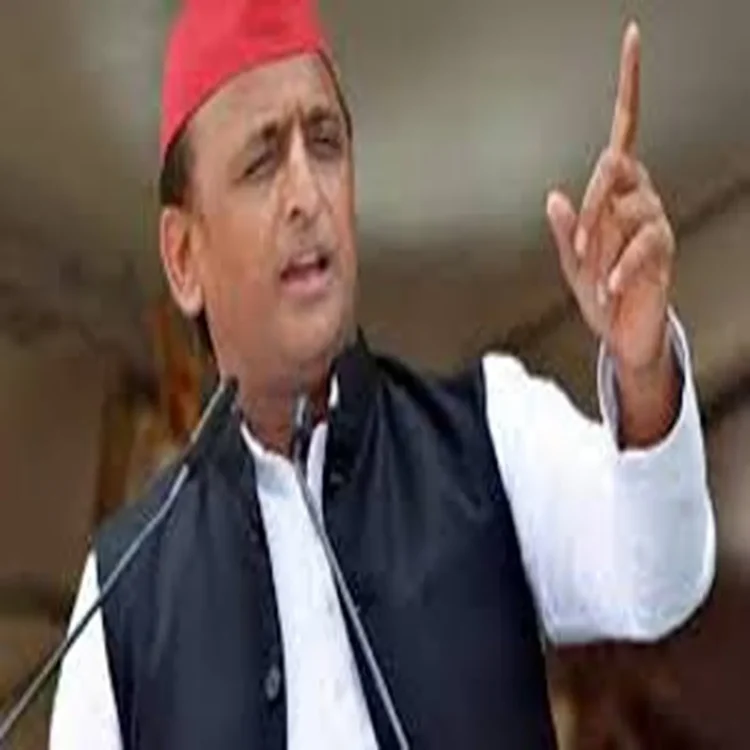
Changing Global Situation Demands Policy Review
In a message shared on social media platform X, Yadav noted that when Parliament paused its Budget Session earlier, the national and international circumstances were different. According to him, the escalation of tensions in West Asia has significantly altered the geopolitical landscape, making it necessary for India to reassess several important policy matters.
He suggested that lawmakers and government representatives should use the upcoming parliamentary discussions to carefully examine the country’s position regarding the ongoing conflict. Such deliberations, he said, should also address broader strategic questions linked to India’s diplomatic approach and its long-term global interests.
Debate Suggested on India’s Diplomatic Position
Yadav emphasized that the conflict raises important questions about India’s official stance and how the country is responding to global developments. In his view, the government should provide clarity on its foreign policy approach in the context of the ongoing hostilities in the region.
He also referred to concerns about whether India’s independent diplomatic decision-making is being influenced by external factors. According to the Samajwadi Party leader, these issues deserve open discussion in Parliament so that the country’s strategic direction remains transparent and accountable.
Concerns Over Energy Supply and Economic Impact
Another issue raised by Yadav relates to the supply of essential resources, particularly crude oil and energy imports that could be affected by instability in West Asia. He said the government must carefully monitor developments in the region because disruptions in oil supply can directly influence India’s economy and domestic markets.
The former Uttar Pradesh chief minister also expressed concern that decisions regarding critical resources should be taken independently and in accordance with India’s national interests. Questions surrounding economic self-reliance and policy autonomy, he added, should be part of the broader discussion.
Safety of Indians Abroad Highlighted
Akhilesh Yadav stressed that the protection of Indian citizens working or travelling in areas impacted by the conflict must remain a top priority for the government. Thousands of Indians live and work across various countries in West Asia, and any escalation of violence could put them at risk.
He urged authorities to closely track the situation and ensure that adequate arrangements are made for the safety and evacuation of Indians if required. According to him, timely action and clear communication from the government are essential to avoid panic among families back home.
Concern Raised for Stranded Journalists
The Samajwadi Party leader also mentioned journalists and media professionals who had travelled abroad as part of the Prime Minister’s delegation and later faced difficulty returning due to the sudden outbreak of hostilities. He appealed to the government to ensure that proper arrangements are made so they can return safely.
He said media personnel working in challenging conditions abroad deserve support and protection, particularly when unexpected geopolitical developments affect travel routes or safety conditions.
Need to Control Prices of Essential Commodities
Yadav further said that the government must prepare for potential economic effects arising from the conflict. If supply chains are disrupted, prices of fuel and other essential goods could rise, placing an additional burden on ordinary citizens.
To address this possibility, he suggested that authorities take proactive measures to maintain stable supplies of essential commodities and implement policies aimed at controlling inflation. According to him, careful planning and quick response will help prevent unnecessary price increases in domestic markets.
He concluded that the rapidly changing situation in West Asia calls for responsible political dialogue and coordinated government action to protect India’s strategic interests as well as the welfare of its citizens.