
WaterSupply – Delhi Government Prepares Comprehensive Plan to Manage Summer Water Demand
WaterSupply – As temperatures begin to rise ahead of the summer season, the Delhi government has started early preparations to prevent any disruption in the city’s water supply. Officials say the administration is working to strengthen the existing system so that residents continue to receive adequate water even during peak demand months.
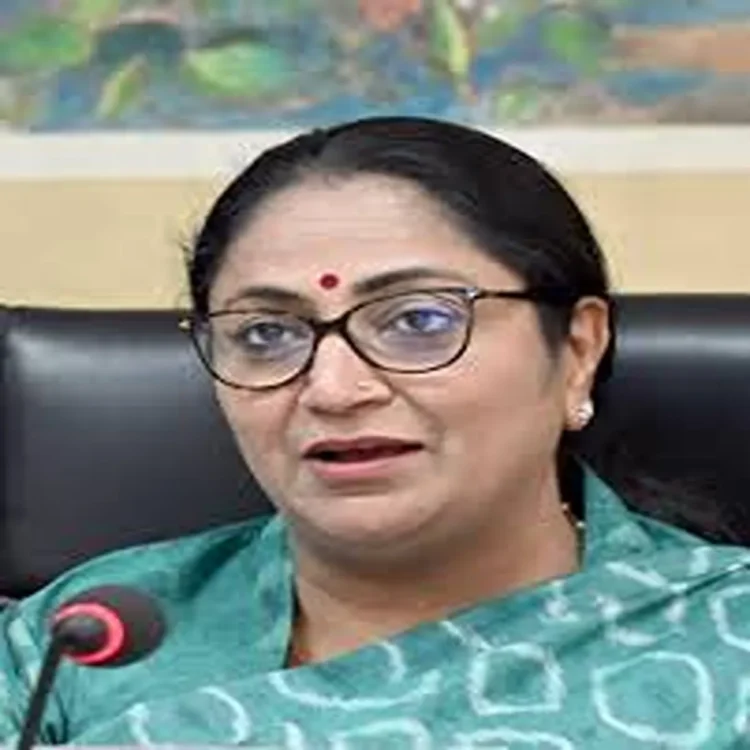
Chief Minister Rekha Gupta reviewed the preparedness during a high-level meeting held at the Delhi Secretariat on Thursday. The meeting focused on evaluating the strategy prepared by the Delhi Jal Board to handle the sharp increase in water consumption that typically occurs during summer.
Rising demand during summer months
According to government officials, water usage in Delhi rises significantly as temperatures increase. Households, businesses, and public facilities consume more water during the hotter months, while the city’s overall production capacity remains largely unchanged throughout the year.
Data presented during the review meeting showed that the capital requires nearly 1,250 million gallons of water per day to meet the needs of its population. However, the current supply available to the city is estimated to be around 1,000 million gallons per day. The gap between demand and supply becomes more noticeable during summer, making advance planning essential.
Officials said the new Summer Action Plan-2026 has been designed to minimize disruptions and ensure water reaches residents across different parts of the city.
Summer Action Plan focuses on improving supply systems
The Delhi Jal Board has prepared a detailed operational strategy as part of the Summer Action Plan-2026. The plan includes measures to maximize water production at treatment plants and improve the efficiency of existing infrastructure.
Authorities said treatment plants will operate at their highest possible capacity during the summer months. Regular inspections and preventive maintenance work are being carried out to ensure equipment operates smoothly without unexpected breakdowns.
Reservoirs across the city are also being cleaned and inspected. Officials believe that proper maintenance of these storage facilities will help maintain water quality and prevent blockages that could affect supply.
Repair and maintenance of pipelines and pumps
Another key focus area under the plan is strengthening the city’s pipeline network. Aging pipelines and minor leaks often lead to water loss, particularly during periods of high demand.
To address this issue, the Delhi Jal Board has initiated a maintenance drive that includes repairing damaged pipelines, checking valve systems, and ensuring pumping stations remain fully operational. Engineers have been instructed to conduct regular monitoring so that any technical problems can be addressed quickly.
Officials noted that preventive maintenance carried out before peak summer demand can help reduce the risk of unexpected supply interruptions later in the season.
Tanker deployment to support affected areas
To support neighborhoods where pipeline supply may not be sufficient, the government has also increased the availability of water tankers.
According to officials, the Delhi Jal Board currently operates 168 departmental tankers. In addition, around 819 hired tankers have been arranged to deliver water to areas experiencing shortages or supply interruptions.
Authorities said the number of tankers can be increased further if required. These tankers will primarily serve areas where water pipelines are still under development or where temporary supply issues arise.
Monitoring and coordination across departments
The Chief Minister emphasized the importance of coordination among departments responsible for water production, distribution, and emergency supply. Officials have been instructed to maintain regular monitoring of supply levels and respond quickly to complaints from residents.
Government representatives said the objective of the Summer Action Plan-2026 is to ensure that water management remains stable during the hottest months of the year. With early preparation and improved infrastructure maintenance, the administration aims to reduce the impact of seasonal demand on the city’s water distribution system.
Authorities also encouraged residents to use water responsibly during the summer months so that available resources can be shared efficiently across the capital.