
Wastewater – Delhi Civic Body Approves Plant to Reuse Water in Parks
Wastewater – The Municipal Corporation of Delhi has cleared a proposal aimed at improving water management in the capital by renovating an existing pump house and building a new sewage treatment facility. The project is designed to process wastewater and redirect the treated water for use in public parks across several neighborhoods in east Delhi, reducing the pressure on potable water resources.
Plan to Modernise Pumping Infrastructure
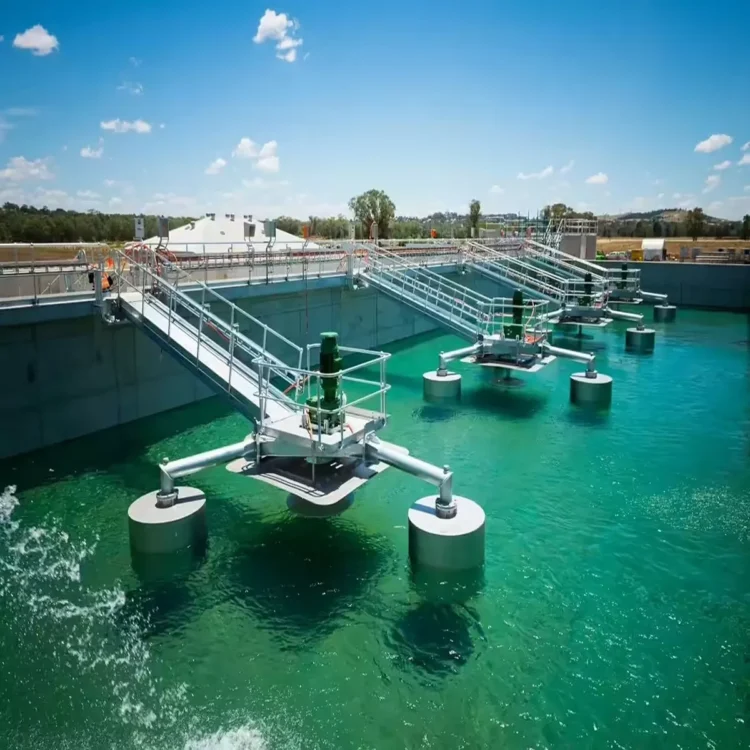
According to city officials, the approved plan includes remodelling a current pumping station connected to a sludge drain and establishing a Sewage Treatment Plant capable of treating wastewater for non-drinking purposes. The initiative is intended to upgrade ageing infrastructure while integrating modern treatment technologies that allow safe reuse of water for landscaping and horticulture.
Mayor Raja Iqbal Singh said the treated water generated by the facility will be supplied to municipal parks located in Sunder Nagri, Shastri Park, IP Extension, Laxmi Nagar and nearby localities. These parks currently rely largely on freshwater sources for irrigation, a practice that authorities say is increasingly unsustainable in a city facing high water demand.
Treated Water for Urban Green Spaces
Once operational, the plant will process wastewater collected from surrounding areas and convert it into treated water suitable for maintaining green spaces. Officials noted that using recycled water for horticulture can help conserve large quantities of potable water that would otherwise be used for irrigation.
Municipal authorities believe the project will also help improve sanitation management by ensuring wastewater is treated efficiently rather than being discharged untreated into drains. The initiative forms part of broader efforts by the civic body to promote responsible water usage and environmentally sustainable urban planning.
Push for Sustainable City Development
The mayor stated that the project aligns with the city administration’s goal of adopting sustainable development practices. By modernising the pumping infrastructure and introducing water conservation measures, the corporation hopes to address both environmental concerns and the increasing demand for water in densely populated urban areas.
Experts have long highlighted the need for cities to adopt wastewater recycling systems, especially for non-drinking purposes such as gardening, park maintenance and cleaning activities. Officials involved in the project said that utilising treated wastewater in municipal parks can significantly reduce dependency on groundwater and other limited freshwater sources.
The civic body also indicated that the system could be expanded in the future if the model proves successful. Additional treatment plants and similar recycling mechanisms may be considered for other zones of the city where large public parks and green belts require consistent irrigation.
Community Participation in Burial Ground Maintenance
During the same municipal meeting, the civic body also approved a separate initiative involving community participation in the upkeep of burial and cremation facilities. The corporation finalised recommendations for non-governmental organisations, Resident Welfare Societies and self-help groups to adopt and maintain these sites.
Under the plan, a total of 24 organisations have been selected to take responsibility for the development and maintenance of cremation grounds, burial grounds and cemeteries across different parts of Delhi. Officials said this approach is intended to improve maintenance standards while encouraging community involvement in public services.
Authorities expect that partnerships with local groups will help ensure better cleanliness, improved infrastructure and more consistent management at these facilities. The municipal corporation will continue to oversee operations while working with participating organisations to maintain the sites effectively.
Broader Efforts to Improve Civic Services
Both initiatives highlight the civic body’s efforts to address infrastructure challenges while encouraging sustainable practices and community participation. The wastewater treatment project focuses on long-term water conservation, while the adoption of burial and cremation grounds aims to strengthen local involvement in maintaining essential civic facilities.
City officials say these steps reflect an ongoing effort to modernise public infrastructure, improve environmental management and ensure that municipal resources are used more efficiently.