
Uttarakhand Train Accident: Uttarakhand Tunnel Train Collision Leaves Dozens Injured in Chamoli
Uttarakhand Train Accident: A major railway-related accident shocked Uttarakhand on Tuesday night when two locomotive trains collided inside a tunnel in the Chamoli district. The incident occurred within the tunnel of a hydroelectric project operated by THDC and resulted in serious injuries to a large number of people. According to official information, at least 90 passengers were injured in the collision, while more than 100 people were believed to be traveling on one of the trains at the time of the accident. The event created panic inside the tunnel and triggered an immediate emergency response from local authorities.
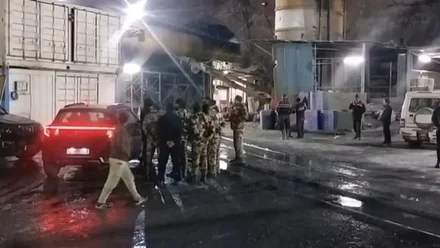
Details of the Accident
Officials confirmed that the collision took place at around 9:30 PM during a shift change. One locomotive train was carrying employees, engineers, and laborers who were moving inside the tunnel as part of routine operational travel. At the same time, another locomotive train approached from the opposite direction. Due to unforeseen circumstances, the two trains collided inside the tunnel, leading to derailment and injuries among the passengers.
Cause Behind the Collision
Preliminary reports suggest that a freight locomotive train experienced brake failure while moving inside the tunnel. This mechanical issue caused the train to lose control and collide with the passenger locomotive train at approximately the five-kilometer mark inside the tunnel. The tunnel is part of a large-scale infrastructure project, where controlled movement of locomotives is essential for worker transportation and material handling. The sudden brake failure raised serious questions regarding safety checks and maintenance protocols within the project.
Tunnel Project Background
The tunnel where the accident occurred is being constructed using advanced tunnel boring machine technology. As per officials, around seven kilometers of the tunnel have already been completed from Hat village, while the total planned length of the tunnel is approximately thirteen and a half kilometers. The project is considered crucial for power generation and regional development, making the accident a significant setback for both safety management and construction timelines.
Rescue and Emergency Response
Immediately after the collision, chaos spread among the passengers inside the tunnel. Despite the darkness and confined space, fellow passengers and workers showed remarkable presence of mind. They assisted the injured, provided first aid wherever possible, and informed the authorities about the situation. Rescue teams were quickly dispatched, and the operation to evacuate the injured began without delay.
Medical Assistance and Hospital Response
The injured passengers were transported to the district hospital in Chamoli, where emergency medical arrangements were made. District Magistrate Gaurav Kumar and Superintendent of Police Surjit Singh Panwar personally visited the hospital to assess the condition of the injured. They interacted with doctors and hospital staff, issuing necessary instructions to ensure proper and timely treatment. Medical teams worked through the night to stabilize patients and address both minor and serious injuries.
Administrative Action and Ongoing Investigation
Authorities have stated that a detailed investigation is underway to determine the exact sequence of events that led to the collision. Technical experts are examining the brake system failure and safety mechanisms used inside the tunnel. Officials have assured that accountability will be fixed once the investigation is completed. Meanwhile, safety protocols across similar projects in the region are expected to be reviewed to prevent such incidents in the future.
Impact on Workers and Local Community
The accident has raised serious concerns among workers involved in tunnel and hydroelectric projects in Uttarakhand. Many laborers depend on such locomotive systems for daily transportation during shift changes. The local community has also expressed concern over worker safety in large infrastructure projects, urging authorities to prioritize preventive measures and regular inspections.
Conclusion
The Chamoli tunnel train collision stands as a stark reminder of the risks involved in underground infrastructure projects. While prompt rescue efforts and medical response helped prevent loss of life, the incident highlights the urgent need for stronger safety systems, better maintenance, and stricter operational oversight. As rescue operations continue and investigations progress, the focus remains on the recovery of the injured and ensuring that such accidents do not recur in the future.