
UndertrialScheme – Limited Uptake Raises Questions Over Jail Support Implementation
UndertrialScheme – Despite clear instructions and repeated follow-ups from the Union Ministry of Home Affairs (MHA), the implementation of a central assistance scheme meant to support poor undertrial prisoners has seen limited success across the country. Official data shows that in the two and a half years since revised guidelines were issued, only 273 prisoners have benefited from the programme, while a majority of states and Union Territories failed to utilise the funds made available to them.
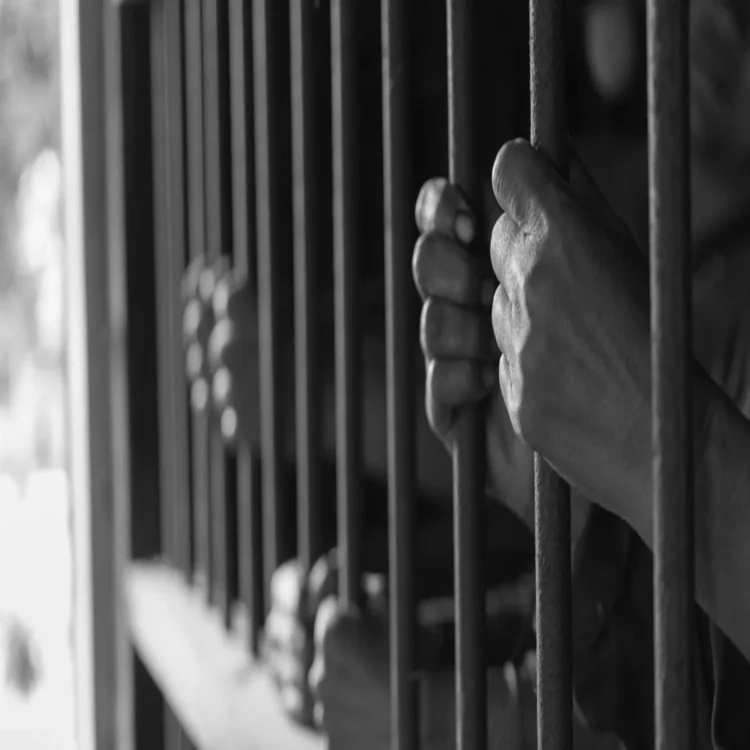
The scheme was introduced in 2023 with the objective of reducing prison overcrowding by helping financially weak undertrial prisoners secure release. Under the programme, eligible inmates can receive cash assistance of up to Rs 40,000 towards bail and up to Rs 25,000 to cover fines or penalties imposed by courts.
Majority of States Report No Spending
According to the latest figures compiled by the MHA, as many as 20 out of 36 states and Union Territories reported zero expenditure under the scheme. These regions neither released funds nor extended assistance to a single undertrial prisoner during the review period, despite the availability of central support and operational guidelines.
Several other states recorded only marginal use of the programme. Odisha assisted nine undertrial prisoners, while Tripura supported seven. Arunachal Pradesh provided help to six inmates, followed by Goa with five beneficiaries. Punjab reported assistance to three prisoners, Kerala to two, and Chandigarh, Rajasthan, and Sikkim each supported one inmate.
Maharashtra Leads in Utilisation
Maharashtra emerged as the top-performing state in terms of both spending and beneficiary coverage. The state supported 107 undertrial prisoners and spent more than Rs 18.68 lakh under the scheme. Madhya Pradesh followed, assisting 38 inmates with an expenditure slightly above Rs 9.93 lakh. Uttarakhand also showed notable progress, extending support to 37 prisoners at a cost of nearly Rs 7.76 lakh.
Among other states, Assam reported financial assistance for 28 undertrial prisoners, spending Rs 6.67 lakh, while Telangana helped 18 inmates with an expenditure of Rs 2.46 lakh. Beyond these states, uptake remained limited, highlighting uneven implementation across regions.
Funding Allocation and Oversight Mechanism
The MHA had circulated detailed implementation guidelines to all states and Union Territories on June 19, 2023. An annual financial allocation of Rs 20 crore was earmarked for the financial years 2024–25 and 2025–26 to ensure sufficient coverage under the scheme. The National Crime Records Bureau was appointed as the central nodal agency responsible for monitoring and coordinating the programme nationwide.
However, consolidated expenditure data indicates that states and Union Territories together spent only about Rs 71.71 lakh during the period under review, a small fraction of the funds available. Maharashtra accounted for the highest share of this spending.
Government Reviews and Push for Awareness
Officials in the MHA stated that the ministry has conducted periodic reviews to track the progress of the scheme. States have been advised to increase awareness among prison authorities, legal services institutions, and district administrations to identify eligible beneficiaries more effectively.
The ministry has also urged states and Union Territories to ensure regular meetings of empowered committees tasked with approving assistance under the scheme. These committees play a key role in verifying eligibility and facilitating timely financial support for undertrial prisoners.
Challenges in On-Ground Execution
The low utilisation of funds suggests gaps in coordination, awareness, and administrative follow-through at the state level. While the scheme was designed as a targeted intervention to address prolonged incarceration due to poverty, its impact remains limited without active participation from state governments.
As prison overcrowding continues to strain correctional facilities, the uneven implementation of the assistance programme has raised concerns among policymakers about the effectiveness of welfare-driven justice reforms. Strengthening oversight and improving state-level engagement may be critical to ensuring the scheme achieves its intended goals.