
Transparency – Congress Questions Secrecy in Defence Publishing Rules
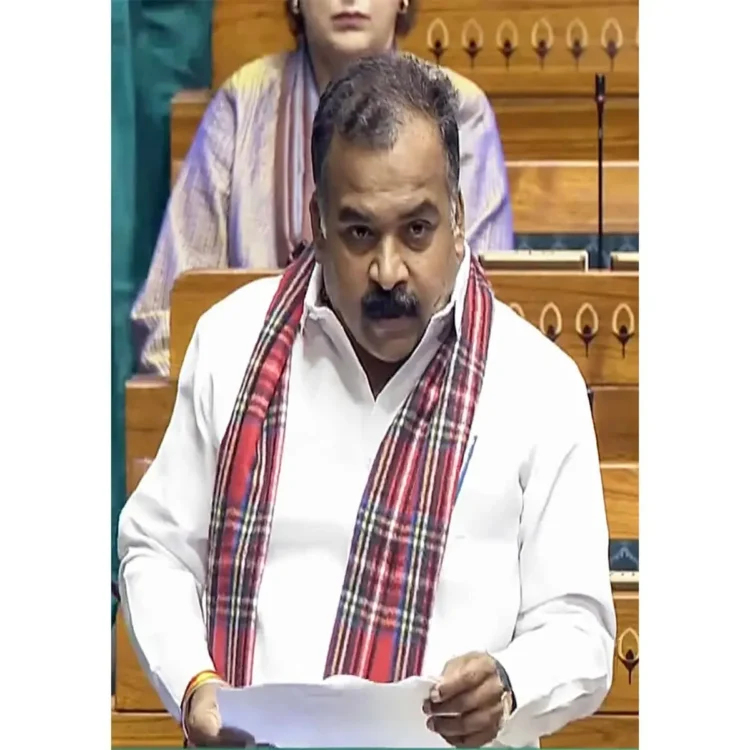
Transparency – Congress Member of Parliament Manickam Tagore has urged the government to reconsider what he described as a growing culture of secrecy surrounding official regulations, particularly those linked to national security. While acknowledging the need to safeguard sensitive information, he argued that excessive confidentiality should not become a tool to suppress legitimate voices or prevent public access to important facts.
Call for Greater Transparency
Tagore’s remarks came after reports suggested that the Union government is drafting detailed guidelines for both serving and retired defence personnel who wish to publish books. The move follows controversy related to an unpublished memoir by former Army Chief General MM Naravane. The proposed framework is expected to clarify how and when military officers can share their experiences in print.
In a message shared on social media platform X, Tagore said future governments must ensure that regulations do not stifle openness. He maintained that protecting national security is essential but added that it should not come at the cost of democratic accountability. According to him, the armed forces deserve respect, and citizens have a right to be informed about matters of national importance.
Background to the Publishing Debate
At present, there is no single, comprehensive law governing book publications by retired Army officers. Serving officers are bound by strict service rules and confidentiality clauses, while retired personnel operate under a separate legal framework. The absence of a unified policy has led to varying interpretations of what can be published and when official clearance is required.
The discussion intensified after excerpts from General Naravane’s reported memoir were cited during proceedings in the Lok Sabha. The Speaker subsequently ruled that unpublished material should not be quoted in Parliament, leading to heated exchanges and repeated disruptions in the House.
Parliamentary Disruptions and Political Exchange
Congress leader Rahul Gandhi referenced the former Army Chief’s account while raising concerns about the government’s handling of national security matters. His remarks were met with objections from the treasury benches, and he was asked not to rely on unpublished literature. The ruling sparked further debate over whether the content of the memoir was in the public domain and whether it could be discussed inside Parliament.
In a separate statement on X, Gandhi said he intended to present the book in Parliament, noting that it was authored by a former Army Chief rather than an opposition figure. He questioned why ministers appeared to deny the existence of the book and suggested that important questions about national security decisions deserved a public response.
Allegations Regarding Border Situation
According to Gandhi, the memoir includes references to a period when Chinese troops had entered Indian territory, describing how key decisions were handled during the crisis. He claimed that the account suggested delays in political decision-making at a critical time. Gandhi argued that raising such concerns was part of Parliament’s responsibility and said he was being prevented from speaking on an issue of national importance.
The government has not issued a detailed public clarification regarding the specific claims cited in the debate. However, officials have consistently maintained that national security matters require caution and that sensitive information cannot be discussed without proper verification.
Balancing Security and Accountability
The broader controversy has reopened questions about how democracies balance confidentiality with transparency. Legal experts note that countries often impose restrictions on serving military personnel to prevent disclosure of classified information. At the same time, democratic systems rely on informed public debate and parliamentary scrutiny.
As the Centre works on formal guidelines for defence-related publications, the issue is likely to remain under discussion. Lawmakers from different parties have expressed varying views on where the line should be drawn between protecting state interests and ensuring accountability.
For now, the matter highlights a continuing debate over transparency, the rights of retired officers to share their experiences, and Parliament’s role in addressing national security concerns.