
TradeDeal – Congress Questions Timing of India-US Agreement
TradeDeal – The Congress party on Sunday raised concerns over the timing of the recently concluded India-US trade agreement, suggesting that the government may have moved too quickly to seal the pact while a key legal decision in the United States remains pending.
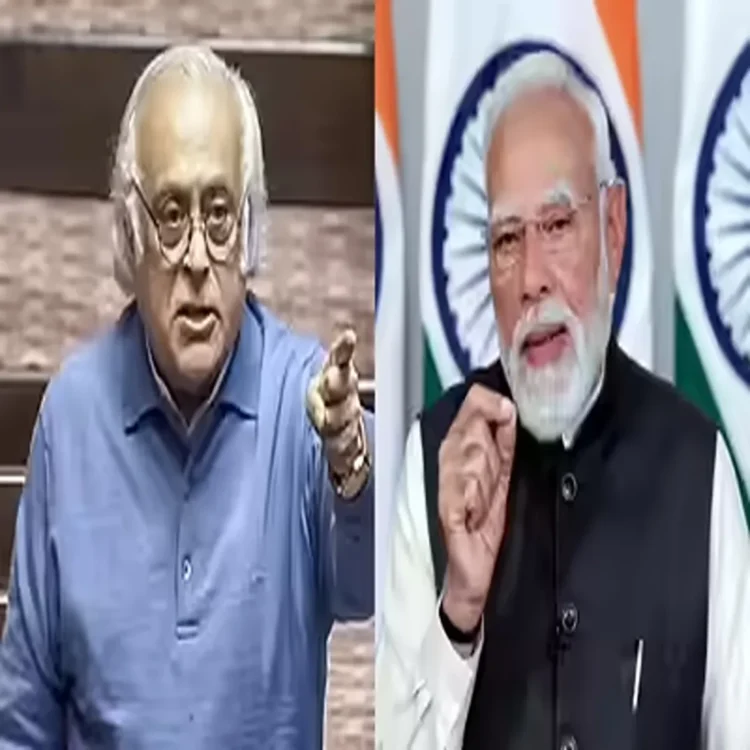
Supreme Court Calendar Cited in Timing Question
In a post on X, Congress general secretary Jairam Ramesh referred to the publicly available schedule of the Supreme Court of the United States. He noted that February 20 had long been designated as a non-argument day, typically reserved for delivering judgments rather than hearing fresh arguments.
According to Ramesh, the court had already heard arguments on November 5, 2025, concerning tariffs introduced during the tenure of former US President Donald Trump. He argued that it was widely understood that the justices might not uphold those tariff measures and questioned why India did not wait until after February 20, when a ruling could potentially clarify the situation.
Ramesh asked what prompted the government to finalise the agreement on February 2 instead of waiting for the court’s decision, which could influence the broader trade environment between the two countries.
Concerns Over Tariff and Import Liberalisation
Earlier in the day, Ramesh told reporters that the agreement could result in the immediate liberalisation of certain imports, raising questions about its potential impact on domestic industries. He suggested that the move might expose Indian markets to increased competition without adequate safeguards.
Adding to the debate, Congress Member of Parliament Manish Tewari pointed to reports indicating that the United States may still impose tariffs ranging between 10 and 15 percent on Indian exports. This, he noted, comes even as India has reportedly reduced duties to zero on nearly 70 categories of goods as part of the arrangement.
Tewari questioned the balance of concessions in the agreement, suggesting that the asymmetry in tariff measures, if confirmed, would require further explanation from the government.
Broader Political Debate
The government has not publicly responded to the specific concerns raised by the Congress leaders regarding the timing of the deal. However, the issue is expected to feature prominently in political discussions in the coming days, particularly if the US Supreme Court’s ruling alters the tariff framework established during the Trump administration.
Trade agreements between India and the United States have historically involved complex negotiations covering market access, tariff structures, and regulatory standards. Any change in the US tariff regime could potentially reshape the economic calculations underpinning the new agreement.
Congress Announces Legal Initiatives
Alongside its criticism of the trade pact, the Congress party unveiled a series of organisational initiatives aimed at strengthening its legal outreach. Senior leaders, including party treasurer Ajay Maken and spokesperson Abhishek Singhvi, announced the formation of rapid legal response teams at both state and district levels.
These teams are intended to provide timely legal assistance at the grassroots level, particularly in matters concerning citizens’ rights. The party also said it would intensify efforts to defend and restore what it described as the original spirit of the Right to Information law.
According to party leaders, the new initiatives aim to engage younger legal professionals and volunteers in offering structured legal support across regions. They said this approach would help ensure quicker responses in cases where citizens require assistance navigating administrative or legal processes.
As debate continues over the trade agreement and its potential implications, the Congress has positioned itself as a vocal critic of the government’s approach, calling for greater transparency and caution in decisions that could have long-term economic consequences.