
TradeAgreement – India, US Finalise Interim Pact to Lower Tariffs
TradeAgreement – India and the United States have concluded a framework for an interim trade agreement that will significantly reduce tariffs on Indian exports to the American market. The development was welcomed by Prime Minister Narendra Modi, who described the agreement as a positive step forward for economic ties between the two countries.
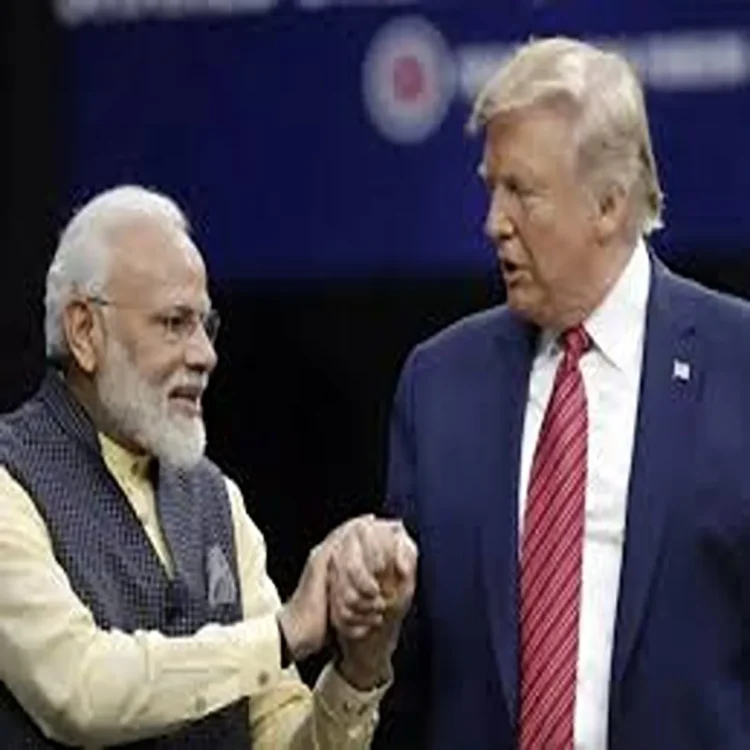
In a message posted on X, the Prime Minister thanked US President Donald Trump for his role in strengthening bilateral relations and said the understanding marks a new phase in the India-US partnership.
Leaders Emphasise Strengthening Strategic Ties
According to the Prime Minister, the framework signals increasing trust and cooperation between New Delhi and Washington. He noted that the agreement is expected to reinforce the Make in India programme by creating broader access for Indian goods in one of the world’s largest consumer markets.
The Prime Minister also highlighted the potential benefits for farmers, small businesses, startups, fishermen and entrepreneurs. He said the arrangement would support employment generation, particularly for women and young people, while encouraging innovation and technology collaboration.
He further underlined the shared commitment of both nations to deepen investment flows and build resilient supply chains. As India continues its push toward becoming a developed economy, he said, partnerships based on mutual growth and stability will remain a priority.
Tariff Reduction to Boost Key Export Sectors
Under the agreed framework, the United States will reduce reciprocal tariffs on Indian goods to 18 percent. In addition, a number of products will see duties eliminated entirely once the interim agreement is formally concluded.
Commerce and Industry Minister Piyush Goyal stated that the agreement will enable Indian exporters to tap into what he described as a $30 trillion market. He added that the expected rise in outbound shipments could create substantial job opportunities across sectors.
Industries likely to benefit include textiles and apparel, leather goods, footwear, plastic and rubber products, organic chemicals, home decor, handicrafts and select machinery. The tariff cuts are expected to enhance the competitiveness of Indian manufacturers in these segments.
Zero-duty access is anticipated for a wide range of goods such as generic pharmaceuticals, gems and diamonds, and aircraft components. These sectors account for a significant share of India’s global exports and are in steady demand in the US market.
Relief Under National Security Tariffs
The framework also addresses duties previously imposed under US national security provisions, including those linked to steel, aluminum and automobile components.
India is set to receive exemptions under Section 232 for certain aircraft parts. Additionally, a preferential tariff rate quota will be introduced for specific auto components. These measures are expected to provide clarity and stability for exporters operating in these sectors.
Officials said the move would help resolve longstanding trade irritants while paving the way for smoother commercial exchanges between the two economies.
Safeguards for Agriculture and Dairy
While expanding market access, the agreement retains protections for sensitive agricultural and dairy products. The Indian government confirmed that items such as maize, wheat, rice, soybeans, poultry, milk products, certain vegetables, ethanol fuel and tobacco will remain shielded from tariff reductions.
The commerce minister stressed that the arrangement balances export expansion with the need to protect farmers’ livelihoods and rural incomes.
Path Toward Broader Economic Cooperation
The interim framework is seen as a stepping stone toward a more comprehensive trade pact. Officials indicated that further tariff removal on selected goods will depend on the successful completion of the agreement’s next phase.
Both sides have framed the understanding as part of a broader effort to align on technology partnerships, innovation, and long-term economic resilience. As global supply chains continue to evolve, the India-US trade relationship is expected to play an increasingly important role in shaping regional and global commerce.