
The Future of Regional Growth: Leadership Transition and in Vidarbha
The Future of Regional Growth: Union minister Nitin Gadkari recently shared a thoughtful perspective on leadership transition and generational responsibility, stressing that sustainable progress depends on timely change in roles. Speaking at a press conference in Nagpur, he highlighted the importance of empowering the next generation to take charge while the older generation gradually steps aside once systems are stable and effective.
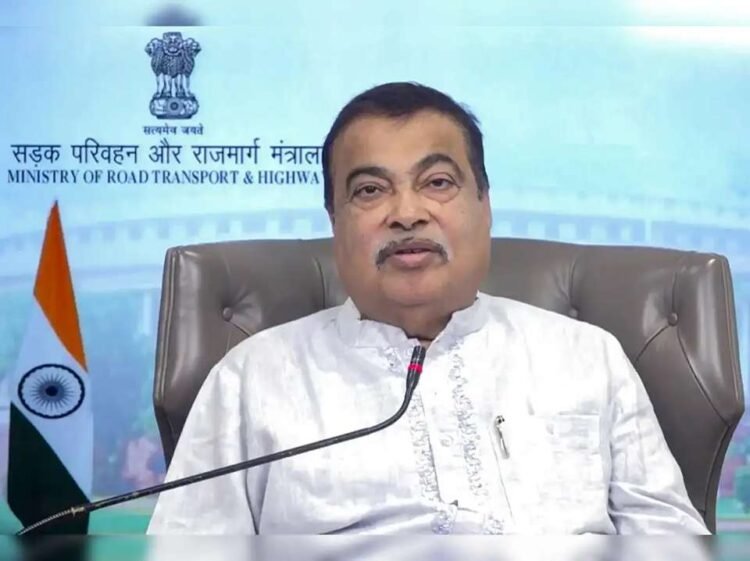
This message was delivered during discussions around the Advantage Vidarbha-Khasdar Audhyogik Mahotsav, an initiative aimed at accelerating industrial and economic growth in the Vidarbha region. Gadkari’s remarks reflected not only administrative insight but also a broader philosophy on leadership, mentorship, and long-term regional development.
The Importance of Generational Change in Leadership
Gadkari emphasized that leadership should not remain static. According to him, when an organization, initiative, or system begins to function smoothly, it is a clear signal that the foundation has been laid successfully. At this point, senior leaders should allow younger professionals to assume responsibility. This approach, he explained, ensures continuity while encouraging innovation, adaptability, and fresh thinking.
He also underlined that stepping aside does not mean disengagement. Instead, experienced leaders can redirect their energies toward mentoring, advisory roles, or new challenges. This balance between experience and youth helps institutions remain dynamic without losing institutional memory.
Youth Participation in the Advantage Vidarbha Initiative
While discussing the Advantage Vidarbha initiative, Gadkari praised the efforts of Ashish Kale, president of the Association for Industrial Development, for actively involving young professionals in planning and execution. He noted that such inclusion sends a strong signal about trust in the capabilities of the younger generation.
Gadkari shared a personal note, mentioning his long association with Kale’s family, and used it to illustrate how natural and necessary it is for responsibility to pass from one generation to the next. According to him, structured transition ensures that progress does not stall due to overdependence on a single leadership group.
Growth of Advantage Vidarbha as an Industrial Platform
As the chief mentor of AID, Gadkari pointed out that the Advantage Vidarbha expo has now entered its third consecutive year. Scheduled to be held in Nagpur from February 6 to 8, the event has steadily evolved into a significant platform for industrial collaboration, investment dialogue, and entrepreneurial networking.
The expo’s core objective is to position the Vidarbha region as a competitive and emerging growth center on India’s industrial landscape. By bringing together policymakers, investors, and entrepreneurs, the initiative aims to highlight the region’s untapped potential and existing strengths.
Entrepreneurial Strength of the Vidarbha Region
Gadkari highlighted that Vidarbha is home to a large number of capable entrepreneurs working across diverse sectors. Despite historical challenges, the region has shown resilience and adaptability. According to him, targeted platforms like Advantage Vidarbha help showcase local talent, attract external investment, and create an ecosystem where businesses can scale efficiently.
He stressed that recognizing and supporting regional entrepreneurship is essential for balanced national development. When smaller regions grow alongside metropolitan centers, it leads to more equitable economic progress and employment generation.
Role of Key Economic Sectors in Regional Development
During his address, Gadkari also spoke about the critical role played by three major pillars of economic growth: the industrial sector, agriculture and allied activities, and the service sector. He explained that no region can develop sustainably if any one of these pillars is neglected.
For Vidarbha, which has a strong agricultural base, integration with industrial processing, logistics, and modern services can significantly enhance value creation. Gadkari noted that policy support, infrastructure development, and skill enhancement are essential to unlock this synergy.
Diverse Industry Participation at the Expo
The Advantage Vidarbha expo is set to host participation from a wide range of industries. These include textiles, plastics, minerals, coal, aviation, logistics, information technology, healthcare, pharmaceuticals, defence manufacturing, real estate, renewable energy, and emerging startups. Such diversity reflects the region’s broad economic potential and its readiness to engage with future-focused industries.
By creating a single platform for these sectors, the expo encourages cross-industry collaboration, knowledge exchange, and investment opportunities that can drive long-term regional transformation.