
Security – Forces Clear Maoist Memorials, Expand Medical Outreach in J&K
Security – Security forces on Friday dismantled four memorial structures linked to Maoist activity in the Farsegarh and Tarrem police station areas, marking another step in the ongoing counterinsurgency campaign in the region.
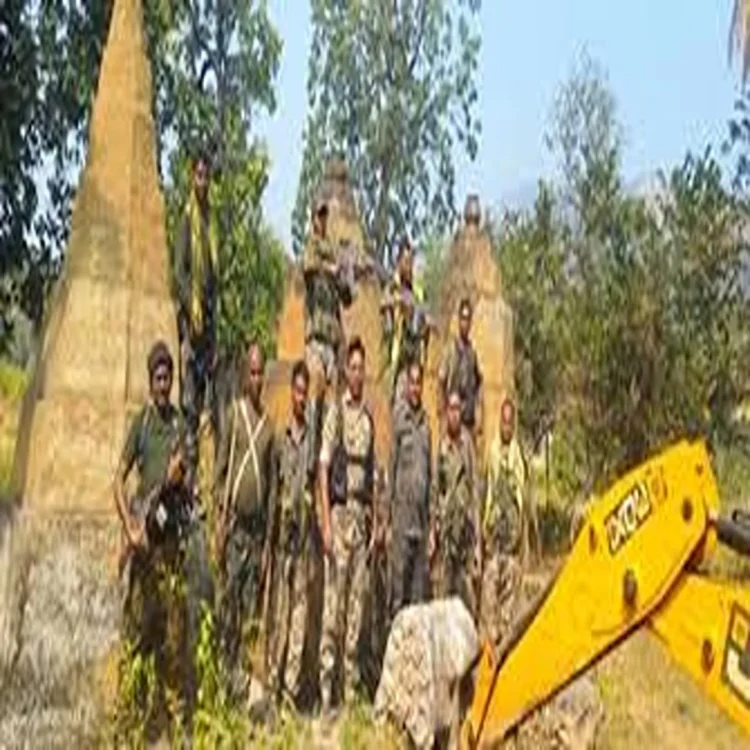
Action Against Maoist Symbols
According to officials, the memorials had been erected by Maoist cadres and were considered symbols of past violence and intimidation. Their removal is part of a broader effort by security agencies to eliminate remnants of insurgent influence and restore a sense of normalcy in affected areas.
Authorities stated that clearing such structures is aimed at reinforcing peace and ensuring that spaces once associated with fear are reclaimed for public use. Security personnel have been conducting sustained operations in vulnerable pockets to curb extremist activities and strengthen governance at the grassroots level.
CRPF Organises Medical Camp in Roun Village
In a separate initiative focused on community welfare, the 137 Battalion of the Central Reserve Police Force organised a special medical camp in Roun village on Saturday. The programme was designed to improve access to healthcare, particularly for women in remote parts of Jammu and Kashmir.
Assistant Commandant and Medical Officer Manish Rundla said the camp was conducted under government directives to address common health concerns among women, including nutritional deficiencies. “We are distributing iron, folic acid, and calcium supplements. There is also a strong focus on sanitary hygiene and preventive healthcare,” he said.
Residents of the village received medical consultations and essential medicines free of cost. The camp sought to bridge gaps in healthcare delivery by bringing basic medical services closer to underserved communities.
Army Expands Outreach in Remote Areas
Earlier this month, the Indian Army intensified its community engagement efforts across Jammu and Kashmir by organising a series of healthcare initiatives. These included medical camps and preventive health programmes in remote and border districts where access to quality medical facilities remains limited.
In areas such as Uri, comprehensive medical camps were conducted to provide specialist consultations. More than 1,300 civilians from distant villages reportedly benefited from these services. Army officials said the outreach is intended to complement existing government healthcare systems and extend medical support to those living in geographically challenging terrain.
Multi-Speciality Camp Held Ahead of Naushera Day
As part of events leading up to Naushera Day 2026, the Army collaborated with Government Medical College, Rajouri, to organise a multi-speciality medical camp in Naushera. The initiative offered free consultations and diagnostic support to residents from the town and nearby villages.
Doctors specialising in medicine, surgery, gynaecology, ophthalmology, ENT, orthopaedics, and dentistry participated in the camp. A total of 138 civilians availed themselves of the services, which included health check-ups, medical advice, and preliminary diagnostic assistance.
Officials involved in the programme highlighted that preventive care and early detection of illnesses were key priorities. The camp also aimed to raise awareness about hygiene, nutrition, and routine health monitoring.
Strengthening Civil-Military Collaboration
Army representatives said such initiatives reflect a broader commitment to community welfare alongside security responsibilities. They emphasised that commemorative occasions like Naushera Day are not only about honouring military bravery but also about reinforcing bonds with local populations.
Collaboration with institutions such as Government Medical College Rajouri and other local bodies has played a significant role in expanding the reach of these programmes. Officials noted that coordinated efforts between civil and military authorities are helping deliver essential services more efficiently in sensitive and remote areas.
Through a combination of security measures and social outreach, authorities aim to create conditions that promote long-term peace, stability, and development across affected regions.