
Security – CRPF Expands High-Altitude Bases Across Jammu and Kashmir
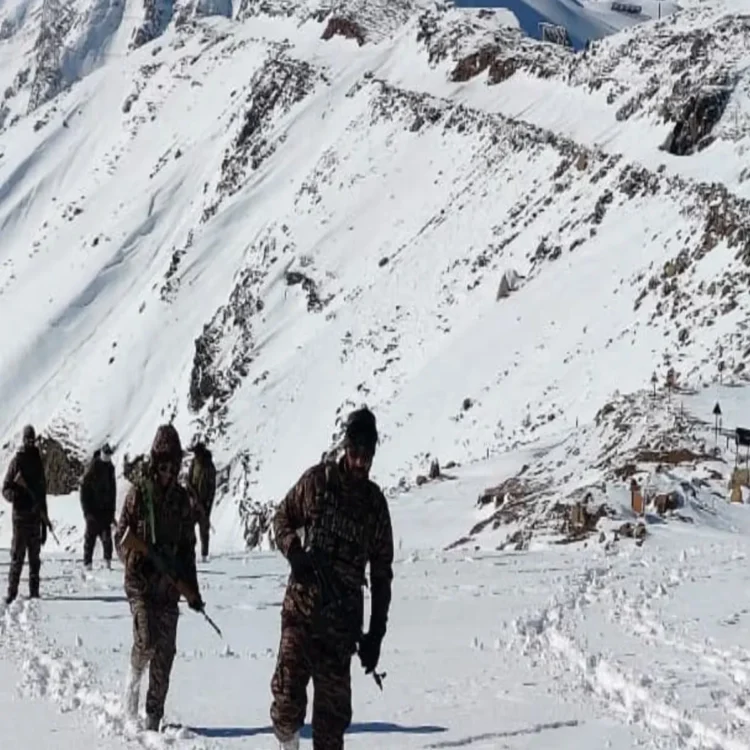
Security – The Central Reserve Police Force has significantly strengthened its presence in the mountainous regions of Jammu and Kashmir by setting up 43 Temporary Operating Bases in elevated areas reaching nearly 6,000 feet and above. The move is aimed at tightening security in forested belts and remote stretches that have long posed operational challenges for forces engaged in counter-terror duties.
Deployment Accelerated After Baisaran Attack
The security expansion follows the April 22, 2025 terrorist attack in the Baisaran meadow near Pahalgam, a well-known tourist destination in South Kashmir. The incident, which targeted visitors and drew widespread condemnation across the country, prompted authorities to reassess their area control measures, especially in high-altitude forest corridors often used for infiltration and concealment.
Officials said the attack exposed vulnerabilities in remote tourist locations situated near dense woodland, leading to renewed emphasis on sustained ground presence rather than intermittent patrols.
Phased Establishment of 43 Operating Bases
According to security sources, 26 Temporary Operating Bases were made operational in Kashmir in October last year. A further 17 bases were set up across the Jammu region in November, taking the total number to 43.
These bases have been positioned in rugged and difficult-to-access terrain, enabling security personnel to maintain continuous surveillance and respond swiftly to emerging threats. By placing troops closer to vulnerable zones, the force aims to restrict militant movement and prevent the use of remote areas as safe havens.
The first base under this revised deployment strategy was established in the Pahalgam-Tral-Harwan belt of South Kashmir. Known for its thick forests, sharp gradients and limited road connectivity, the region has historically presented logistical hurdles for security operations.
Logistics and Equipment Upgraded for Extreme Terrain
Operating at such altitudes requires extensive preparation. Officials confirmed that personnel deployed at these bases have been provided with improved tactical equipment tailored for mountainous conditions. Ergonomically designed backpacks help reduce fatigue during long treks, while layered protective jackets offer insulation against harsh weather.
Specialized trekking boots have also been issued to ensure stability on rocky and uneven surfaces. In addition, satellite phones are being used to maintain reliable communication in areas where conventional mobile networks are either weak or non-existent. This upgrade is considered vital for coordination during operations and emergencies.
Sustained Presence in Forest Corridors
Security experts note that Temporary Operating Bases function as semi-permanent facilities, allowing troops to live and operate for extended periods in forward locations. Earlier, many of these areas were accessed primarily through routine patrols. The new approach enables forces to remain embedded within sensitive zones, thereby reducing response time and improving familiarity with local terrain.
A continuous presence also strengthens intelligence gathering, as personnel develop a deeper understanding of routes and patterns within forest corridors frequently used for infiltration.
Use of Traditional Shepherd Shelters
Another aspect of the deployment strategy involves the identification and adaptation of “Dhoks” — seasonal shelters traditionally used by shepherd communities in upper reaches. These structures provide basic cover and have been repurposed for operational use. Officials say this approach minimizes fresh construction in environmentally sensitive areas while maintaining effective presence.
Focus on Tourist Safety and Long-Term Security Grid
The Baisaran attack underscored the risks facing tourist hubs located near forest peripheries. Since then, counter-terror operations have intensified across trekking routes, meadows and other remote destinations that attract large numbers of visitors during peak seasons.
Over the past decade, security dynamics in Jammu and Kashmir have shifted, with increasing focus on mountainous infiltration routes and dense forest belts. The latest expansion of Temporary Operating Bases signals a preventive strategy designed to dominate terrain and deny space to militant networks.
Officials indicated that the 43 bases form part of a broader and long-term security grid intended to safeguard residents and visitors while dismantling militant infrastructure in remote regions. With upgraded mobility, improved protective gear and enhanced communication systems, the CRPF’s expanded high-altitude deployment marks a decisive step toward sustained operational readiness in some of the Union Territory’s most challenging landscapes.