
Ropeway Project – Katra Shuts Down Over Shrine Link Plan
Ropeway Project- Katra, the gateway town for pilgrims heading to the revered Vaishno Devi shrine, came to a standstill on Wednesday as traders and residents observed a complete shutdown in protest against a proposed ropeway project. The strike coincided with Lieutenant Governor Manoj Sinha laying the foundation stone for the Shankaracharya Temple in the town.
Town Responds to Call for Protest
Commercial activity across Katra was halted after the Vaishno Devi Sangarsh Samiti urged shopkeepers and business owners to down shutters. Markets remained deserted throughout the day, reflecting the scale of opposition among sections of the local community.
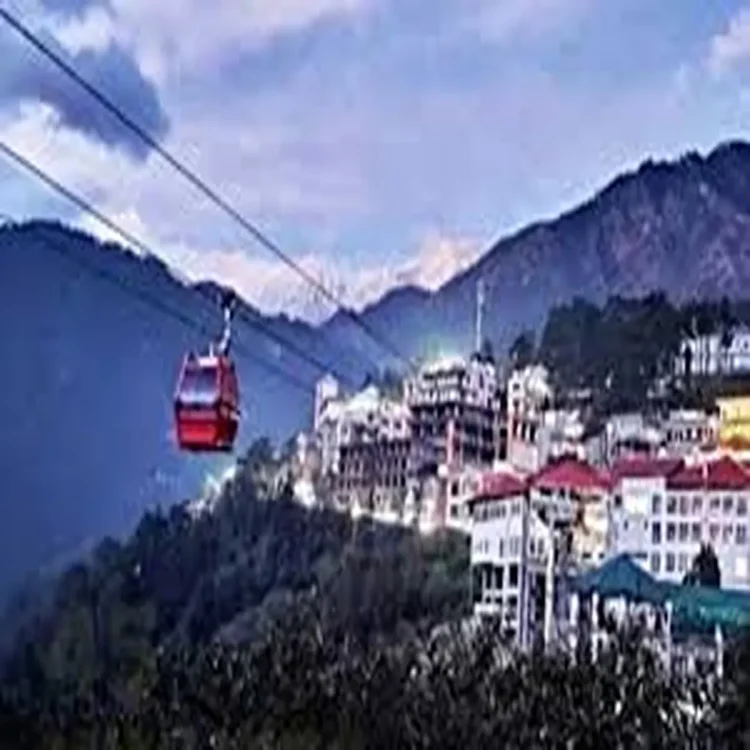
The protest centres on a ropeway project estimated to cost around ₹250 crore. The plan, proposed by the Shri Mata Vaishno Devi Shrine Board, seeks to establish a direct aerial link between Tarakote Marg and Sanji Chhat. Sanji Chhat serves as a key point on the route leading to the cave shrine in Reasi district.
Supporters of the shutdown argue that the project could significantly alter the local economy, which largely depends on traditional pilgrimage-related services.
Concerns Over Livelihoods
Karan Singh Thothu, spokesperson for the Vaishno Devi Sangarsh Samiti, described the strike as a strong message to the shrine board. He said the demonstration should prompt authorities to reconsider moving ahead with the ropeway despite widespread objections from residents.
According to the Samiti, nearly 28,000 people—including pony operators, palanquin carriers, and daily wage labourers—could see their incomes threatened if the ropeway becomes operational. These workers currently assist pilgrims along the uphill trek to the shrine.
Local business owners have also expressed apprehension. Representatives of the traders’ body claim that approximately 7,000 shops, along with around 800 hotels and guest houses in Katra, may face financial strain if footfall patterns change. They fear that a faster transport option could reduce demand for services traditionally relied upon by pilgrims during the journey.
However, shrine board officials have previously maintained that infrastructure upgrades are intended to improve safety, accessibility, and overall pilgrim experience. The ropeway project is seen by authorities as a modern transport solution designed to ease congestion and provide an alternative for elderly and differently-abled visitors.
Foundation Laid for Shankaracharya Temple
While the town observed the shutdown, Lieutenant Governor Manoj Sinha proceeded with a scheduled ceremony to lay the foundation stone of the Shankaracharya Temple in Katra. The temple, planned on elevated hillocks overlooking the town, aims to fulfil a vision first conceived in the 1960s.
Officials present at the ceremony described the project as a step toward strengthening Katra’s spiritual and cultural landscape. Once completed, the temple is expected to become an additional attraction for visitors to the region.
The parallel developments—a protest against new infrastructure and the inauguration of another religious project—highlight the complex balance between development and livelihood concerns in pilgrimage towns.
Debate Reflects Broader Development Questions
Katra’s economy is deeply tied to the steady flow of pilgrims visiting the Vaishno Devi shrine each year. Any change in transport systems or pilgrimage routes can have a direct impact on thousands of families who depend on seasonal and year-round religious tourism.
The ropeway proposal has therefore sparked debate beyond immediate business interests. For many residents, the issue represents a larger question about how modernization projects should be implemented in traditional pilgrimage hubs without disrupting established sources of income.
As discussions continue, stakeholders on both sides are expected to engage with the administration in the coming weeks. Whether adjustments to the project will be considered remains uncertain, but Wednesday’s shutdown underscored the intensity of local sentiment.
The coming months are likely to determine how Katra balances infrastructure expansion with the livelihoods that have long sustained its role as the base camp for one of India’s most visited pilgrimage destinations.