
Bastar Hamlet: Tensions Rise Over Alleged Religious Dispute in Remote
Bastar Hamlet: Two families who had converted to Christianity were allegedly assaulted and forced to leave their hamlet in a remote, Maoist-affected region of south Bastar, highlighting once again the sensitive nature of religious identity and cultural traditions in rural central India. The incident took place in Iknar village, located nearly 70 kilometers from the district headquarters of Narayanpur district, an area that has long remained cut off from basic development.
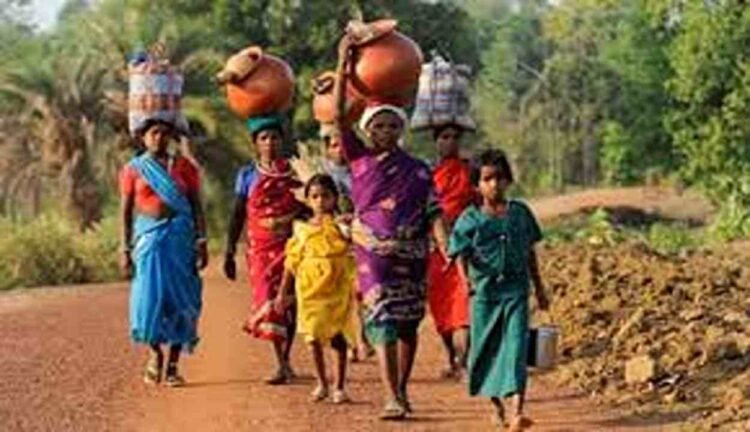
Background of the Remote Village
Iknar is a small settlement in the forested region of Abujhmarh, an area known for limited state presence and poor infrastructure. For decades, villagers have lived without access to essential facilities such as proper roads, healthcare services, and formal education. With only 18 households, the community is tightly knit and deeply rooted in traditional customs, local deities, and long-followed rituals that define social life in the hamlet.
Conversion and Growing Social Friction
According to local accounts, two families in the village converted to Christianity around five years ago. Following their conversion, they reportedly stopped participating in traditional religious ceremonies and renounced the worship of local gods. Over time, this decision became a source of discomfort among other villagers, who viewed the change as a rejection of shared cultural values rather than a personal spiritual choice.
Residents claimed that the converted families openly opposed customary rituals and village festivals, which gradually intensified social tension. Several villagers stated that they attempted to engage in dialogue with the families in an effort to resolve the disagreement peacefully, but these discussions failed to produce a consensus.
Allegations of Violence and Forced Displacement
The situation reportedly escalated when a confrontation broke out, leading to alleged physical violence. Members of the converted families claimed they were beaten, their homes damaged, and personal belongings thrown out. They further alleged that stored food supplies and important documents were set on fire, leaving them without basic necessities.
In statements to media representatives, one of the affected individuals said that hostility grew because they regularly attended church prayers. They alleged that villagers demanded they leave the hamlet and abandon their Christian faith. Injured family members reportedly sought treatment at a nearby community health center after the incident.
Voices from Both Sides
The converted families have maintained that they have the right to practice their chosen religion freely and will not renounce their faith under pressure. They emphasized that religious belief should be a personal matter and not a basis for social exclusion or violence.
On the other hand, villagers asserted that their actions were aimed at preserving ancestral traditions and cultural unity. They reportedly warned that anyone living in the village must respect and follow local customs, arguing that abandoning traditional practices threatens the collective identity of the community.
Police Response and Current Status
Following the incident, local police authorities intervened to prevent further escalation. Officials stated that they are attempting to mediate between both sides and encourage peaceful coexistence without hostility. As of now, no formal complaint or first information report has been registered by either the villagers or the affected families.
Law enforcement officials emphasized the importance of dialogue and mutual respect, particularly in sensitive regions where social harmony is fragile. The incident underscores the ongoing challenges surrounding religious freedom, cultural preservation, and governance in remote tribal areas of India.