
Ram Madhav : India’s growth depends on its diaspora, but has a dual citizenship problem
Ram Madhav: According to senior BJP politician Ram Madhav, the Indian diaspora is crucial to enhancing India’s reputation abroad, but given India’s particular geopolitical and constitutional difficulties, matters like dual citizenship and voting rights need to be handled carefully.
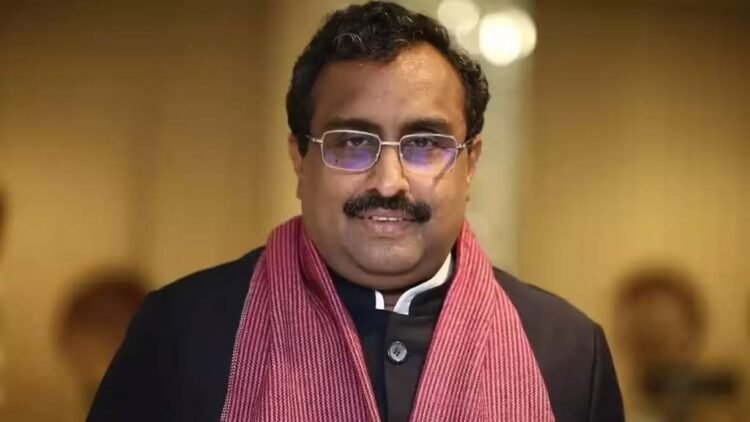
Speaking at an Overseas Friends of BJP (OFBJP) event here, Madhav recognized the political and personal ties that Indians living abroad have to their own country. He addressed the crowd, which included many US citizens and permanent residents, saying, “Your heart is in Bharat, but your brains work here.”
In response to inquiries from the public over India’s refusal to offer dual citizenship and the ability to vote to non-resident Indians (NRIs), Madhav said that the matter is far more complicated than it first seems.
He mentioned regional security issues, territorial conflicts, and geopolitical challenges.
Extending citizenship, he added, may have unforeseen repercussions. “There are a lot of additional complications when you extend citizenship, whether you extend it to them as well or not,” he said.
According to Madhav, India has instead increased benefits within the framework of Overseas Citizens of India (OCI). He acknowledged that more facilities may be taken into consideration but said, “That gives a lot of benefits already, short of voting.”
“You may request more. He described the present administration as “very, very friendly to NRIs,” adding, “You want anything more, that also can be considered.”
He said that the problems of its diaspora have always been handled by the BJP administration.
In response to inquiries on illegal immigration, specifically worries about unauthorized migrants entering India, Madhav said that the government was taking forceful but discreet action. He said, “We are doing more and propagating less.”
“Some things must be done correctly,” he said, refusing to provide specific numbers. “You can be sure that those in the government are just as concerned as you are, if not more so.”
Madhav compared India’s strategy to what he called “performative politics” in other countries. He said, “We are doing more and propagating less.”
He advised exercising patience while dealing with delicate topics related to the diaspora, stating that not all matters should be discussed in public. He went on to say, “Not everything should be said in public.”
Additionally, Madhav warned against taking a confrontational stance in foreign affairs, contending that moderation is essential to India’s reputation abroad. “Assertiveness must be accountable. “It can’t be hostile,” he said.
He emphasized that the world respects India’s autonomous foreign policy. He said, “You’ll be surprised to know 40 countries followed us,” alluding to India’s impartial positions on significant international disputes.
According to Madhav, one of the main pillars of India-US ties is now the Indian diaspora. He said, “Indian Americans have been a very important element in this relationship,” pointing out that there are now over four million members of the community.
While avoiding dual citizenship, it is noteworthy that India has gradually increased its interaction with its foreign community via OCI programs, investment outreach, and political participation.
Perceptions of India’s growth have been shaped by the growing impact of the diaspora in nations like the United States, the United Kingdom, and Canada. The Modi administration’s involvement with the diaspora is one of its defining characteristics.