
Protecting Electoral : Institutions Is Key To Strengthening Indian Democracy
Protecting Electoral : India’s democratic framework stands on the strong foundation of free and fair elections, and any threat to this system directly impacts the voice of its citizens. On the occasion of National Voters’ Day, Congress president Mallikarjun Kharge raised serious concerns about the growing pressure on constitutional institutions, especially those responsible for conducting elections. His remarks highlighted the need to safeguard democratic values so that democracy in India does not merely continue to exist, but actively grows stronger and more transparent.
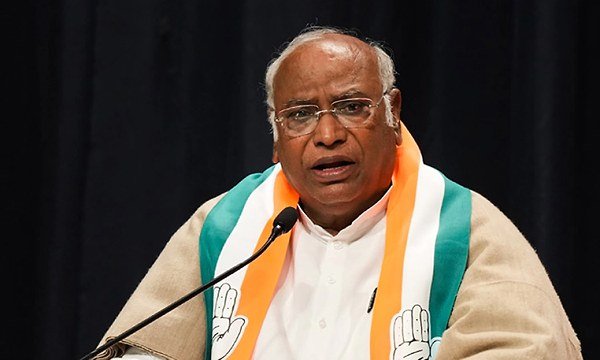
According to Kharge, the independence of institutions such as the Election Commission is essential for maintaining public trust in the electoral process. He emphasized that democracy flourishes only when citizens are confident that their votes are counted fairly and without bias. Any form of interference, pressure, or manipulation weakens the credibility of elections and damages the spirit of democratic participation.
Importance of the Right to Vote in a Democracy
The right to vote is one of the most fundamental rights in a democratic nation. Kharge warned that practices often described as vote chori, along with poorly planned Special Intensive Revision processes, risk depriving citizens of this crucial right. When eligible voters find their names missing from electoral rolls or face unnecessary obstacles while voting, it not only discourages participation but also erodes faith in the democratic system.
He stressed that clean electoral rolls and a level playing field for all political parties are non-negotiable requirements for free and fair elections. Without these, elections lose their meaning, and democracy becomes vulnerable to misuse and mistrust.
Pressure on Constitutional Institutions
In recent years, Kharge noted, key democratic institutions have reportedly faced sustained pressure. Such pressure, whether political or administrative, can compromise their autonomy and effectiveness. The Election Commission, in particular, plays a critical role in ensuring transparent elections, and its independence must be protected at all costs.
Kharge described it as a collective responsibility of citizens, political parties, and civil society to uphold the integrity of these institutions. Only by doing so can democracy truly thrive and reflect the will of the people.
Significance of National Voters’ Day
National Voters’ Day serves as an important reminder of the power that lies in every citizen’s vote. Celebrated annually on January 25, the day marks the establishment of the Election Commission of India in 1950, just a day before the country became a republic. For the past 16 years, this occasion has been used to encourage voter awareness, participation, and education.
Kharge highlighted that this day symbolizes the idea that the future of the nation belongs to its people. A strong voter turnout and informed participation are essential for shaping policies and governance that truly represent public interests.
Need for Transparent Electoral Reforms
The Congress leader’s remarks also pointed towards the urgent need for transparent and inclusive electoral reforms. Any revision of electoral rolls or changes in voting procedures should be well-planned, clearly communicated, and executed without haste. This ensures that no eligible voter is excluded and that the democratic process remains inclusive.
He underlined that democracy is not just about holding elections, but about ensuring that every citizen feels empowered to participate without fear or discrimination. Protecting electoral institutions, therefore, becomes central to preserving democratic values.
Democracy Beyond Survival
Kharge concluded with a strong message that democracy should not be reduced to a system that simply survives amid challenges. Instead, it should be nurtured to grow stronger through accountability, transparency, and respect for constitutional principles. When institutions function independently and citizens actively engage in the electoral process, democracy evolves into a true reflection of the people’s will.
As India continues its democratic journey, the protection of electoral integrity remains a shared responsibility. Upholding the right to vote and ensuring fair elections are essential steps toward a future where democracy does not just exist, but truly thrives.