
Prime Minister Narendra Modi: Strategic Visit to Assam Strengthens Cultural Pride and Infrastructure Development
Prime Minister Narendra Modi : is scheduled to arrive in Assam on Saturday for a significant two-day visit, marking his second tour of the state in less than a month. This visit holds both cultural and developmental importance, reflecting the central government’s continued focus on the Northeast region. Officials have indicated that the itinerary is carefully planned to highlight Assam’s cultural heritage while also pushing forward major infrastructure and connectivity projects that are expected to shape the state’s future.
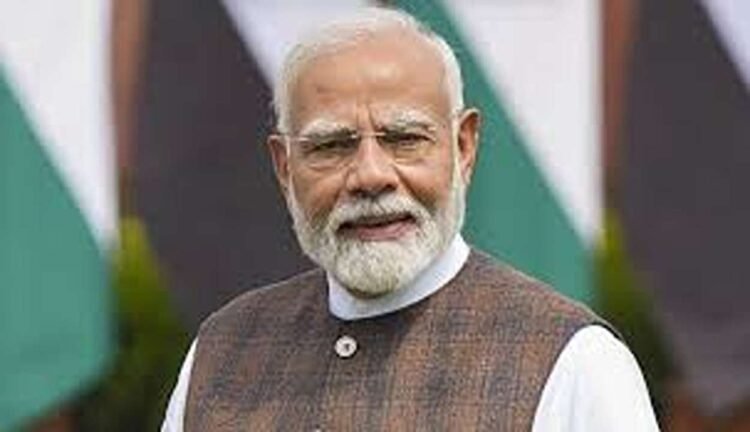
The visit is being closely watched by political observers, development experts, and local citizens alike, as it comes at a time when Assam is gaining increased national attention for strategic investments, transportation upgrades, and long-term economic planning.
Cultural Showcase on Arrival in Guwahati
Soon after arriving in Guwahati on the evening of January 17, the Prime Minister is expected to attend a grand cultural event at the Arjun Bhogeswar Barua Sports Stadium. The highlight of the evening will be the traditional Bodo folk dance Bagurumba, performed by nearly 10,000 artists. This large-scale cultural presentation is intended to celebrate Assam’s indigenous heritage and showcase the diversity of the region on a national platform.
The choice of Bagurumba is particularly symbolic, as it represents peace, harmony, and the deep-rooted traditions of the Bodo community. By witnessing this performance, the Prime Minister’s visit sends a strong message about cultural inclusion and recognition of tribal art forms within India’s broader cultural narrative.
Foundation Stone for Kaziranga Elevated Corridor
On the second day of his visit, Prime Minister Modi will travel to Kaliabor, where he is scheduled to lay the foundation stone for the Kaziranga elevated corridor project. With an estimated cost of Rs 6,957 crore, this ambitious infrastructure initiative aims to improve connectivity while also addressing environmental concerns around the Kaziranga region.
The elevated corridor is designed to facilitate smoother traffic movement and reduce human-wildlife conflict, a persistent issue in the area. Once completed, the project is expected to boost tourism, improve logistics, and support sustainable development without compromising the ecological balance of one of India’s most sensitive wildlife zones.
New Train Services and Public Outreach
During the same day, the Prime Minister is also expected to virtually flag off two new Amrit Bharat Express trains. These include the Dibrugarh to Gomti Nagar route in Lucknow and the Kamakhya to Rohtak route. These train services are aimed at enhancing long-distance connectivity and providing faster, more comfortable travel options for passengers.
In addition to the virtual inauguration, the Prime Minister will address a public meeting in Kaliabor. Such public interactions are often used to communicate development goals directly to citizens and to highlight the government’s achievements and future plans for the region.
Continuity from the December Visit
This January visit follows closely on the heels of the Prime Minister’s earlier two-day tour of Assam in December. During that visit, he inaugurated the new terminal of the Guwahati international airport and unveiled the statue of Assam’s first Chief Minister, Gopinath Bardaloi. The airport, named in Bardaloi’s honor, is a key gateway to the Northeast and plays a vital role in regional connectivity.
The Prime Minister also laid the foundation stone for a major brownfield ammonia-urea plant in Dibrugarh, a project valued at Rs 10,601 crore. This initiative is expected to strengthen fertilizer production, support agriculture, and create employment opportunities in the region.
Political and Developmental Significance
Beyond infrastructure and cultural events, the Prime Minister’s repeated visits to Assam are seen as politically significant. During his previous tour, he addressed public meetings in Guwahati and Namrup, where his speeches were widely interpreted as setting the tone for the 2026 Assam assembly elections.
Frequent high-level visits signal the strategic importance of Assam in national politics, economic planning, and regional stability. They also reinforce the message that the Northeast is a priority area for long-term development, investment, and integration with the rest of the country.
A Broader Vision for Assam
Overall, this two-day visit reflects a broader vision that combines cultural respect, infrastructure expansion, improved transportation, and political engagement. From celebrating traditional dance forms to launching multi-crore development projects, the itinerary highlights a balanced approach to growth.
As Assam continues to evolve as a key state in India’s eastern corridor, such visits play a crucial role in aligning local aspirations with national objectives. The outcomes of this visit are expected to have lasting impacts on connectivity, tourism, economic growth, and public confidence in the region’s development trajectory.