
Post-Election : Political Signals in Pune Point to a Possible Strategic Realignment
Post-Election: The political atmosphere in Maharashtra witnessed renewed intensity following the declaration of the Pune Municipal Corporation elections 2026 results. What initially appeared to be a routine post-election phase quickly transformed into a moment of statewide significance when senior leaders from rival factions of the Nationalist Congress Party were seen together. The unexpected interaction has reopened conversations around cooperation, reconciliation, and political strategy at a time when opposition unity is being actively debated.
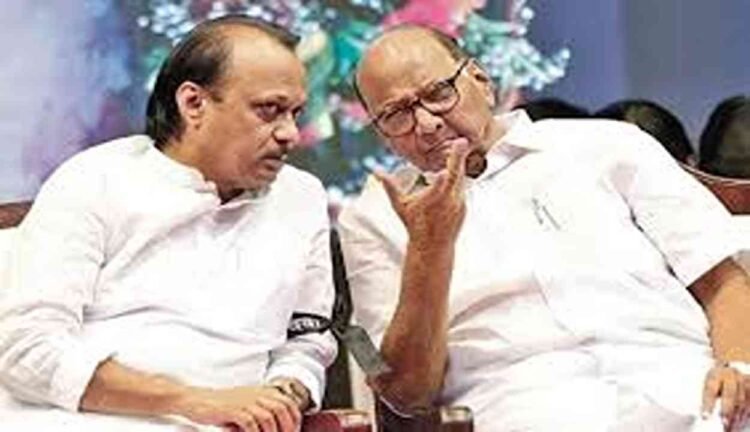
A High-Profile Meeting That Drew Statewide Attention
Soon after the final PMC results were announced, Maharashtra Deputy Chief Minister and NCP leader Ajit Pawar arrived at Govind Baug in Baramati, the residence of NCP-SP chief Sharad Pawar. This meeting was significant not only because of the long-standing political distance between the two leaders, but also because it came at a sensitive time following a decisive electoral outcome in Pune.
Adding to the importance of the visit was the presence of several senior leaders and Members of Parliament from the Sharad Pawar-led faction. Among those present were Supriya Sule and Amol Kolhe, whose attendance further intensified speculation about the purpose and potential outcomes of the discussion.
Pune Municipal Corporation Results and Political Impact
The Pune Municipal Corporation elections concluded with a sweeping victory for the Bharatiya Janata Party, which secured 120 seats, establishing a dominant position in the civic body. Despite the NCP factions contesting the elections under a common banner, the results highlighted the growing organizational strength of the BJP in urban Maharashtra.
This electoral setback has forced opposition parties to reassess their strategies. Political observers believe that the PMC results have acted as a catalyst, prompting senior leaders to explore new equations in order to remain competitive. The timing of the meeting between Ajit Pawar and Sharad Pawar, therefore, is being seen as more than symbolic.
Growing Buzz Among Party Workers and Supporters
As news of the meeting spread, Baramati and several parts of Pune witnessed gatherings of party workers and supporters. The spontaneous presence of cadres underscored the emotional and political weight of the moment. For many grassroots workers, the possibility of unity between the two NCP factions represents hope for a stronger opposition and clearer leadership direction.
The visible enthusiasm on the ground suggests that party workers are eager for clarity. Years of internal divisions have led to confusion and weakened organizational morale. A signal of cooperation from senior leadership could potentially reinvigorate the party structure ahead of upcoming elections.
Strategic Discussions and Future Possibilities
According to political sources, the meeting is believed to have focused on the future course of action within the Pune Municipal Corporation. One of the key topics reportedly discussed was the feasibility of the two NCP factions functioning together as a coordinated opposition force in the civic body. Such a move could help consolidate votes, streamline decision-making, and present a united challenge to the ruling party.
Beyond PMC politics, there is also talk of broader political realignment. With Zilla Parishad and Panchayat Samiti elections approaching across Maharashtra, leaders from both sides recognize the importance of unity at the grassroots level. These local body elections play a crucial role in shaping regional influence and building momentum for state-level contests.
Implications for Maharashtra’s Political Landscape
The renewed interaction between Ajit Pawar and Sharad Pawar has implications that extend far beyond Pune. Maharashtra’s political environment has been marked by shifting alliances and evolving power structures. In this context, even a symbolic gesture of dialogue carries weight.
While no official statements have confirmed a formal reunion or alliance, the meeting itself sends a clear message that channels of communication remain open. Political analysts suggest that continued dialogue could lead to issue-based cooperation, if not a complete organizational merger.