
Political : Tensions Rise Over Allegations Involving Indian Army’s Eastern Command
Political : The political atmosphere in West Bengal has intensified following serious allegations made by Chief Minister Mamata Banerjee regarding the involvement of a senior Indian Army officer in political activities. The issue has drawn national attention, raising important questions about civil-military relations, constitutional propriety, and the role of neutral institutions during sensitive democratic processes such as electoral roll revisions.
Background of the Controversy
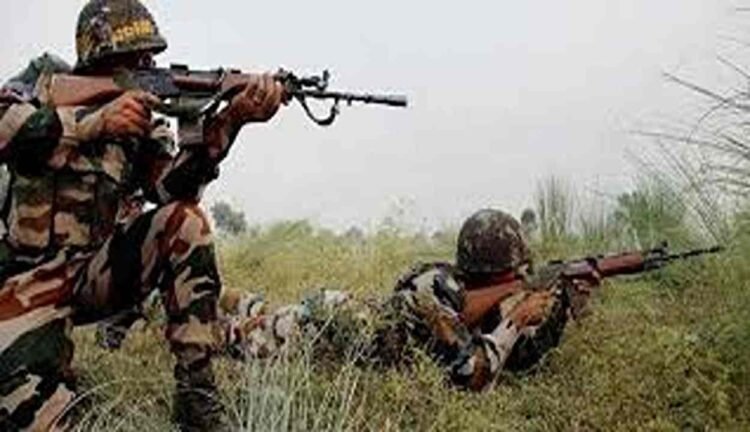
The controversy began when the Chief Minister alleged that a senior army officer posted at Fort William, the headquarters of the Indian Army’s Eastern Command, was allegedly involved in activities connected to the Special Intensive Revision of electoral rolls. According to her statement, the officer was supposedly acting in favor of a particular political party while remaining stationed at a key military base. These remarks immediately sparked concern due to the traditionally apolitical nature of the armed forces in India.
The Indian Army, known for maintaining strict neutrality in political matters, viewed these claims as damaging to its institutional credibility. Senior officials felt that such allegations could undermine public trust in the armed forces and blur the line between civilian governance and military professionalism.
Army’s Response and Governor’s Involvement
In response to the remarks, two senior army generals from Fort William met West Bengal Governor CV Ananda Bose at the Raj Bhavan. During this meeting, they reportedly submitted a formal communication objecting to the Chief Minister’s statements. While specific details of the discussion were not made public, sources indicated that the army officers sought the Governor’s intervention to address what they perceived as a serious and unfounded accusation.
The Governor is understood to have taken the matter seriously and subsequently brought it to the attention of competent authorities at the central level. This step highlighted the constitutional role of the Governor as a link between the state and the Union government, especially in matters involving national institutions such as the armed forces.
Statements from the Governor
Prior to the meeting, Governor Bose had publicly stated that he would first verify the Chief Minister’s comments. He emphasized that if the remarks were found to violate constitutional norms or established conventions, he would not hesitate to intervene. His response was seen as measured and reflective of the need to balance free political expression with institutional integrity.
After the interaction with the army officials, it emerged that the Governor had approached the Defence Ministry to convey the seriousness of the situation. This move underscored the potential national implications of the controversy beyond state politics.
Political Reactions Across Parties
The allegations triggered sharp reactions across the political spectrum in West Bengal, a state already experiencing heightened political rivalry due to upcoming elections. The Special Intensive Revision of electoral rolls has itself been a contentious issue, with opposition parties alleging bias and procedural irregularities.
Leaders from the Bharatiya Janata Party dismissed the Chief Minister’s claims as baseless and politically motivated. They accused her of making reckless statements without evidence and attempting to divert attention from governance issues. The remarks were described as irresponsible and harmful to democratic institutions.
Meanwhile, leaders from the Left parties adopted a more cautious tone. While acknowledging the seriousness of the allegation, they insisted that the matter should be pursued through proper constitutional channels. According to them, if the Chief Minister possessed credible information, it should be formally communicated to the Defence Ministry for investigation rather than being raised through public statements alone.
Impact on Civil-Military Relations
This episode has reignited debate on the delicate balance between political authority and military neutrality in India. The armed forces have long been regarded as one of the most trusted institutions in the country, largely due to their distance from partisan politics. Allegations of political involvement, even if unproven, risk eroding that trust.
Experts believe that such controversies should be handled with restraint and supported by verifiable facts. Public accusations involving the military can have long-term consequences, including lowered morale within the forces and confusion among citizens regarding institutional roles.
Broader Implications for Democracy
At a time when electoral processes are under intense scrutiny, transparency and accountability become especially important. The ongoing revision of electoral rolls is meant to strengthen democratic participation, but political disputes surrounding it can create confusion and mistrust among voters.
This situation also highlights the importance of responsible political communication. Statements made by constitutional authorities carry significant weight and can influence public perception rapidly. Ensuring accuracy and adherence to democratic norms is essential to maintain stability and institutional respect.