
Policing – Delhi Police Expands Body Camera Use in PCR Unit
Policing – The Police Control Room (PCR) wing of Delhi Police is preparing to significantly expand its use of body-worn cameras, with plans to acquire more than 500 additional devices for frontline personnel. Officials familiar with the development said the move is aimed at improving transparency, strengthening accountability, and creating reliable digital records during emergency responses across the national capital.
Wider Deployment to Support Field Operations
Currently, only 88 body-worn cameras are operational within the PCR unit. With emergency calls rising and public scrutiny of policing practices increasing, authorities believe a larger rollout is necessary. PCR teams are typically the first to arrive at the scene of incidents, ranging from accidents and disputes to serious crimes, making their conduct and documentation critical.
According to officials, the cameras provide real-time recording of on-ground situations. These recordings can later serve as credible digital evidence during investigations, court proceedings, or departmental assessments. By capturing events as they unfold, the devices help establish an accurate sequence of actions and reduce the scope for conflicting claims.
Strengthening Accountability and Public Trust
Senior officers noted that the presence of body-worn cameras benefits both the police and the public. In situations where complaints are raised about an officer’s behaviour, recorded footage can be reviewed to determine the facts. This not only protects citizens’ rights but also shields officers from unfounded allegations.
The cameras are also capable of documenting the behaviour of individuals at the scene, which may be relevant in cases involving public disorder or resistance to lawful action. Officials say such documentation contributes to fairer internal reviews and reinforces professional standards within the force.
The broader aim, according to sources, is to reinforce public confidence in emergency policing. Transparent documentation is seen as a practical step toward building trust while ensuring that officers remain mindful of procedural conduct.
Expansion of Fleet and Resources
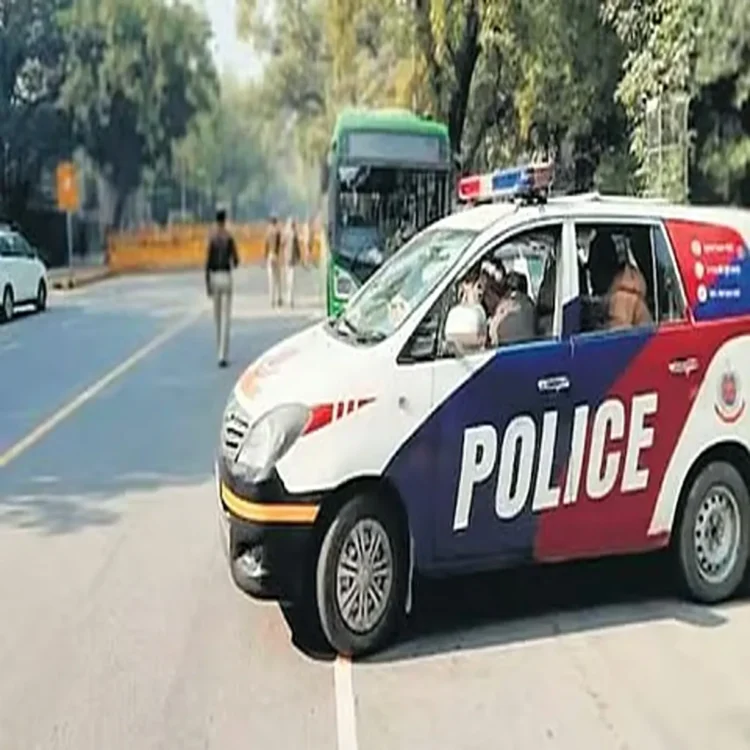
Alongside the proposed procurement of cameras, the PCR fleet has recently been strengthened. Fifty additional vehicles have been added, bringing the total number of PCR vehicles in service to 857. The enhanced fleet is expected to improve response times and expand coverage in densely populated or high-risk areas.
In November last year, Delhi Police also inducted 55 new PCR mobile patrol vehicles and 156 refurbished Omni motorcycles to improve mobility and emergency outreach. These additions were aimed at enhancing rapid response capabilities, particularly in congested neighbourhoods where smaller vehicles can navigate more efficiently.
Manpower Boost After Audit
The decision to modernise equipment comes shortly after a manpower audit within the force. Following the review, more than 200 personnel were allocated to the PCR unit. This increase allows for better team deployment, with three officers assigned to a vehicle in many cases.
Officials believe the additional staffing will help cover identified hotspots more effectively and improve visible policing, particularly during night hours. A stronger presence on the streets is expected to support preventive policing efforts and deter criminal activity.
Focus on Professional Emergency Response
Authorities emphasise that the PCR unit plays a crucial role in emergency management. The first few minutes after a call are often decisive, requiring officers to assess situations quickly and act with restraint and professionalism. The introduction of more body-worn cameras is intended to support this responsibility by ensuring that actions are documented transparently.
By combining increased manpower, expanded vehicle strength, and enhanced technological tools, Delhi Police aims to improve both operational efficiency and public accountability. Officials say the initiative reflects a structured effort to modernise emergency policing practices in line with evolving expectations of transparency and responsible law enforcement.