
Parliament- Debate on President’s Address Continues Amid Budget Session Deadlock
Parliament- Parliament is set to resume deliberations on the motion of thanks to the President’s Address as both Houses reconvene during the ongoing Budget Session. Lawmakers are expected to continue discussions that began earlier this week, with members outlining their responses to the government’s policy priorities presented at the start of the session.
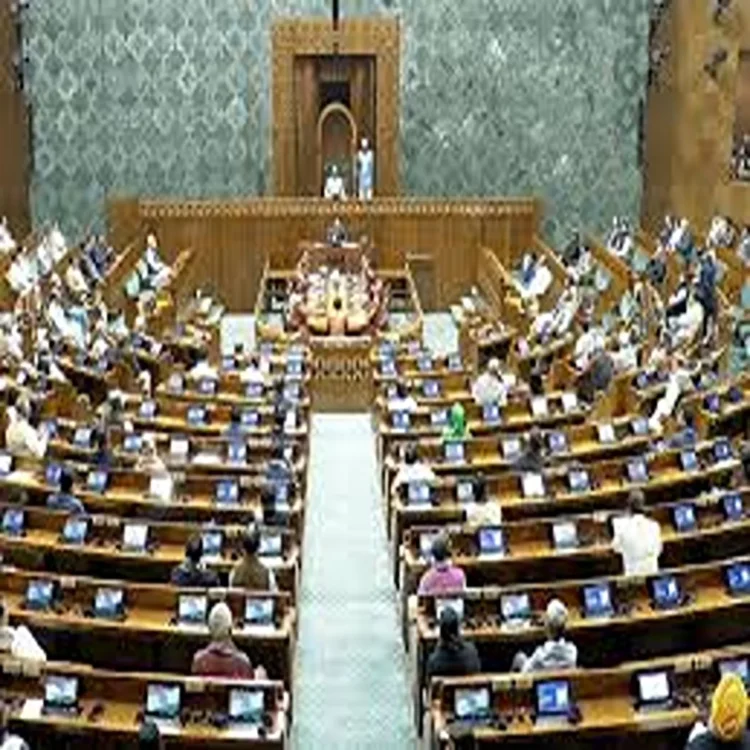
Lok Sabha Allocates Time for Extended Debate
In the Lok Sabha, the motion of thanks was introduced by Union Minister Sarbananda Sonowal and supported by Member of Parliament Tejasvi Surya. The Lower House has earmarked 18 hours for detailed deliberations, allowing members across party lines to present their views on the President’s address and broader governance issues.
The House was initially scheduled to hear Prime Minister Narendra Modi’s response to the debate on Wednesday. However, persistent disruptions by Opposition members led to repeated interruptions, eventually forcing the Speaker to adjourn proceedings for the day. The Prime Minister is now expected to address the motion during discussions in the Rajya Sabha as deliberations continue.
Rajya Sabha Proceedings and Motion Background
In the Upper House, Bharatiya Janata Party member Sadanand Master formally moved the motion of thanks. The motion follows President Droupadi Murmu’s address to the joint sitting of Parliament on January 28, which marked the formal opening of the Budget Session. The President’s address typically outlines the government’s legislative and policy agenda for the year, making the motion of thanks a key opportunity for lawmakers to debate national priorities.
According to the parliamentary agenda, Rajya Sabha proceedings will begin with members paying tribute to former MP Thomas Kuthiravattom. The House will then proceed with the scheduled discussions related to the President’s address and other legislative matters.
Union Budget Discussions Begin in Lower House
Alongside the motion of thanks, the Lok Sabha is also expected to begin discussions on the Union Budget for the financial year 2026–27. The Budget debate is one of the central components of the session, allowing MPs to scrutinize government spending proposals and policy directions across ministries and departments.
During the session, MP Suresh Gopi is scheduled to present a statement concerning the implementation status of recommendations made by the Standing Committee on Petroleum and Natural Gas. The statement relates to government action on observations included in the committee’s earlier review of policies governing crude oil imports. The update is expected to provide lawmakers with insights into progress made by the Ministry of Petroleum and Natural Gas in addressing earlier recommendations.
Political Tensions Over Memoir Controversy
Proceedings in Parliament were overshadowed on Wednesday by intense exchanges between the ruling party and Opposition members over an unpublished memoir by former Army Chief General MM Naravane. The controversy centres on references to the 2020 military standoff between India and China in eastern Ladakh.
The dispute escalated after Opposition leader Rahul Gandhi attempted to cite excerpts from the unpublished work during parliamentary discussions. BJP leaders objected strongly, arguing that referring to unpublished material could breach parliamentary rules and potentially undermine the morale of the armed forces.
Opposition leaders, however, rejected the accusations and countered that the ruling party was attempting to avoid discussion on national security concerns. The disagreement triggered loud protests inside Parliament and political sparring outside, contributing to the adjournment of the Lok Sabha and the postponement of the Prime Minister’s scheduled address.
Budget Session Timeline and Legislative Process
The current Budget Session consists of 30 sittings spread over 65 days, with proceedings scheduled to conclude on April 2. Parliament will break for a recess on February 13, allowing Standing Committees to examine Demands for Grants submitted by various ministries. Lawmakers are expected to reconvene on March 9 to continue legislative work after committee reviews are completed.
The session is expected to address a wide range of economic, policy, and governance matters, with debates on the Union Budget and the President’s Address forming the core of parliamentary activity in the coming weeks.