
Parliament – Budget Session Turmoil Sets Stage for Crucial Second Phase
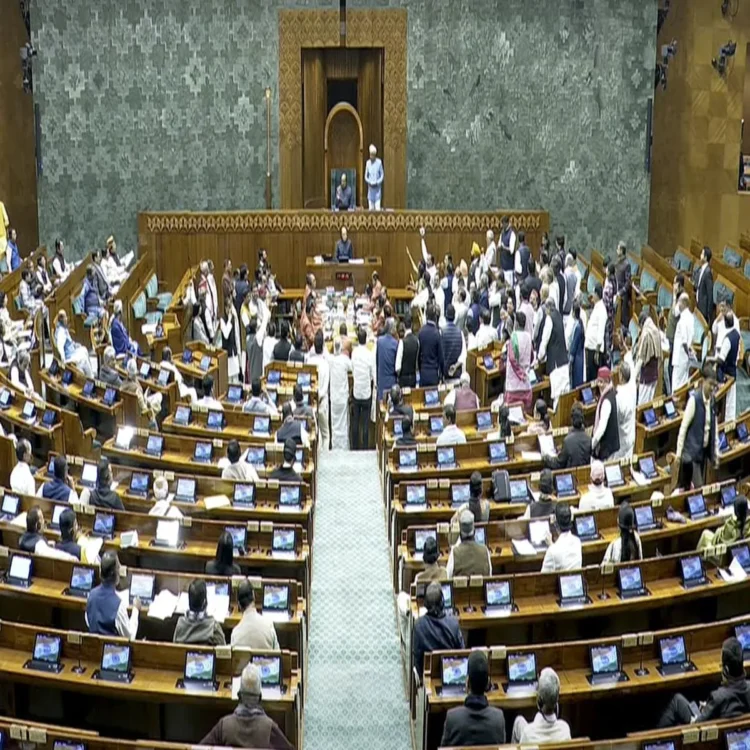
Parliament- The first phase of the Budget session concluded on Friday after two weeks marked by repeated disruptions, sharp exchanges, and deepening divisions between the government and the Opposition. As Members of Parliament prepare to return on March 9 for the second phase, attention is focused on how the unresolved disputes will shape proceedings in the coming weeks.
Heated Exchanges Over Trade and National Security
Much of the friction during the session stemmed from disagreements over an interim trade understanding between India and the United States. Opposition leaders questioned the nature and terms of the arrangement, alleging that Parliament had not been adequately informed. The debate intensified when Leader of the Opposition Rahul Gandhi accused the government of compromising national interests through what he described as a hurried agreement.
The government strongly rejected the criticism, maintaining that the trade discussions were conducted in line with established diplomatic and economic priorities. Ministers accused the Opposition of misrepresenting facts and creating unnecessary alarm over routine negotiations.
Memoir Controversy Disrupts Proceedings
Tensions escalated further over references to an unpublished memoir by former Army chief General M M Naravane. Portions of the book reportedly touch on sensitive policy and security matters. Opposition members demanded a comprehensive discussion, arguing that the issues raised in the text warranted clarification from the government.
The repeated calls for debate led to frequent adjournments. Question Hour and Zero Hour were disrupted on several days as members raised slogans and pressed for immediate discussion. The impasse eventually resulted in the suspension of seven Congress MPs and one CPI(M) member for the remainder of the session due to unruly conduct in the House.
Breakdown of Political Communication
The acrimony reached a new level when Opposition parties submitted a no-confidence motion against Lok Sabha Speaker Om Birla. They alleged that the Chair had allowed proceedings to be conducted in a partisan manner and had not provided adequate opportunities for the Leader of the Opposition to address critical issues.
The government dismissed the allegations, asserting that the Speaker had acted within parliamentary rules. In response, a Bharatiya Janata Party MP moved a substantive motion against Rahul Gandhi, accusing him of making unsubstantiated claims on the floor of the House.
These parallel moves underscored the widening rift between the treasury benches and the Opposition, with both sides hardening their positions as the session progressed.
President’s Address Debate Overshadowed
Ordinarily, the Motion of Thanks to the President’s Address offers an opportunity for broad policy debate. This time, however, the discussion was overshadowed by the controversies surrounding the trade agreement and the memoir. Matters took an unusual turn when Prime Minister Narendra Modi did not deliver his customary reply to the debate, a departure from established parliamentary practice.
The absence of the Prime Minister’s response added to the perception that political tensions had significantly altered the tone of the session.
What to Expect in the Second Phase
When Parliament reconvenes on March 9, the Lok Sabha is expected to prioritize discussion on the no-confidence motion against the Speaker. The outcome of that debate will likely influence the broader atmosphere in the House.
The government is also expected to decide on the substantive motion concerning Rahul Gandhi during the upcoming sittings. With major legislative business pending and political tempers still high, the second phase is likely to test the ability of both sides to balance confrontation with cooperation.
As lawmakers prepare to resume work, the focus will remain on whether Parliament can return to regular functioning or whether continued disagreements will further stall legislative proceedings.