
Parliament – BJP MP Revives 1978 Precedent in Rahul Gandhi Motion
Parliament – BJP Member of Parliament Nishikant Dubey has invoked a significant chapter from India’s parliamentary history while pursuing a substantive motion against Leader of Opposition Rahul Gandhi in the Lok Sabha. Drawing comparisons to events that unfolded nearly five decades ago, Dubey referred to the 1978 expulsion of former Prime Minister Indira Gandhi after a similar parliamentary action.
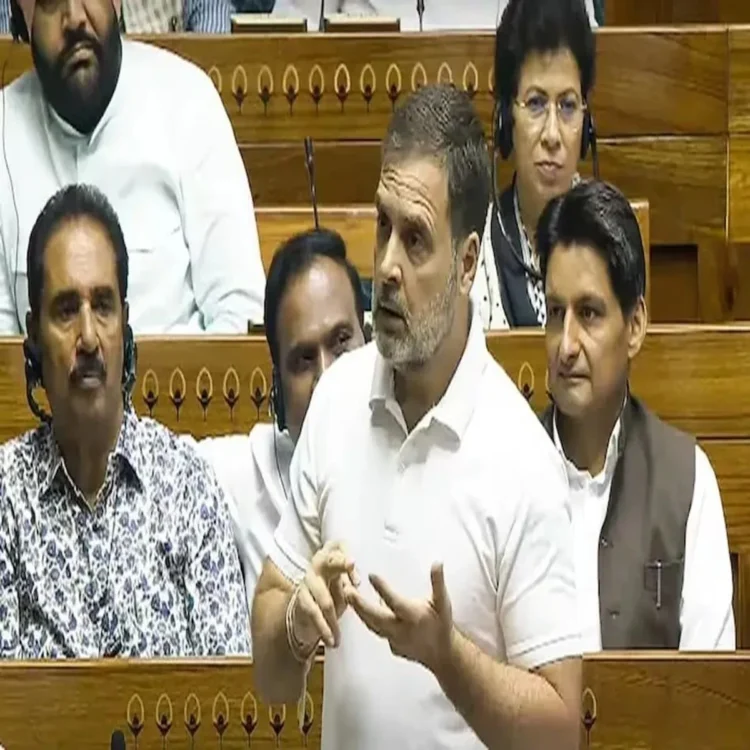
Reference to 1978 Parliamentary Action
In a post shared on X, Dubey cited the December 1978 proceedings in the Lok Sabha, when a substantive motion led to the disqualification and temporary imprisonment of Indira Gandhi. He pointed to official parliamentary records from that period, underscoring what he described as a precedent for disciplinary action by the House.
A substantive motion is an independent proposal placed before the House seeking a clear decision. Once admitted, it is debated and put to a vote. Dubey has alleged that Rahul Gandhi committed a breach of privilege and has sought cancellation of his Lok Sabha membership along with disqualification from contesting future elections.
The 1978 case stemmed from a motion introduced on November 22 that year, following findings by the Committee of Privileges. The panel had concluded that Indira Gandhi was guilty of contempt of the House and breach of privilege in connection with actions taken during the Emergency period. The matter concerned allegations that officials gathering information about Sanjay Gandhi’s Maruti project were obstructed and harassed.
After a prolonged debate, the House adopted a resolution moved by then Prime Minister Morarji Desai on December 19, 1978. The motion resulted in Indira Gandhi’s expulsion from the Lok Sabha and her detention in Tihar Jail for the remainder of that parliamentary session. The decision was later reversed in May 1981 by the 7th Lok Sabha after she returned to office.
Fresh Allegations Against Rahul Gandhi
Dubey announced earlier this week that he had initiated a similar substantive motion against Rahul Gandhi, accusing him of aligning with what he termed “anti-national” interests. The move followed heated exchanges in the Lok Sabha during discussions on the India–US trade agreement.
During the debate, Rahul Gandhi criticised the Centre’s approach to the trade arrangement, alleging that it compromised national interests and disadvantaged farmers and the energy sector. His remarks prompted strong objections from treasury bench members, who described certain expressions as unparliamentary and called for them to be removed from the official record.
BJP members subsequently indicated their intention to move a privilege motion, accusing the Leader of Opposition of misleading the House with unfounded allegations.
Government’s Position on Proposed Motion
While the controversy escalated, Union Parliamentary Affairs Minister Kiren Rijiju stated on Thursday evening that the government had decided to temporarily hold back its own proposed motion against Rahul Gandhi. Rijiju clarified that since a private member’s substantive motion had already been introduced by Dubey, the government would defer its separate initiative for the time being.
The Congress party has rejected the accusations, asserting that Rahul Gandhi acted within his rights as Leader of Opposition. Party representatives maintained that robust criticism of government policy, including trade agreements, falls squarely within parliamentary norms and democratic debate.
Debate Over Parliamentary Privilege
The unfolding episode has once again brought attention to the scope and limits of parliamentary privilege in India. Substantive motions, though rare in contemporary practice, carry significant consequences if adopted by the House. The 1978 case remains one of the most prominent examples of the Lok Sabha exercising its authority to discipline a sitting member.
Whether Dubey’s motion proceeds to admission and debate will depend on procedural steps within the House. For now, the political exchange has sharpened tensions between the ruling party and the opposition, with both sides defending their positions as consistent with parliamentary tradition and constitutional principles.
As proceedings continue, the issue is likely to shape discussions in the ongoing session of Parliament, highlighting the delicate balance between freedom of speech within the House and the enforcement of its privileges.