
OilSmuggling – Indian Coast Guard Seizes Vessels in Mid-Sea Operation
OilSmuggling – The Indian Coast Guard has detained three vessels suspected of involvement in an international oil smuggling network during a coordinated operation in the Arabian Sea.
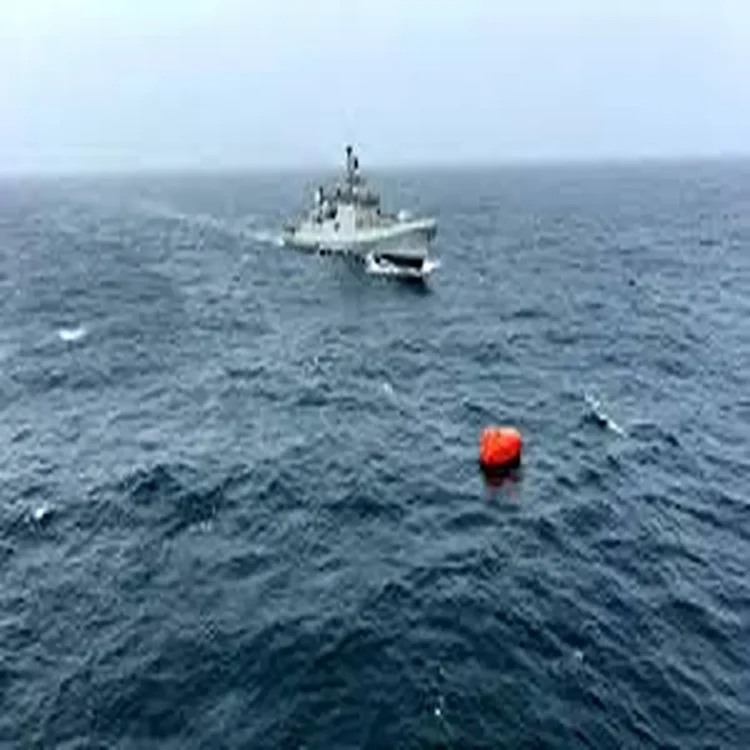
The action took place nearly 100 nautical miles west of Mumbai, where Coast Guard ships intercepted the vessels following a targeted surveillance effort. Officials described the mission as a carefully executed mid-sea intervention based on digital intelligence and sustained monitoring.
Suspicious Transfers Trigger Investigation
According to the Indian Coast Guard, the operation began after its monitoring systems flagged unusual movements by a motor tanker operating within India’s Exclusive Economic Zone. Analysts observed patterns suggesting potential illegal cargo transfers at sea, prompting a closer digital examination of the vessel’s activities.
Further data analysis revealed two additional ships approaching the tanker under circumstances considered irregular. Authorities suspected that the vessels were engaged in the covert transfer of oil-based cargo, possibly to avoid customs duties and other regulatory requirements imposed by coastal nations, including India.
The Coast Guard stated that the suspected operation involved the movement of low-cost oil sourced from regions facing conflict. The cargo was allegedly transferred between ships in international waters before being routed to other destinations, enabling profits while bypassing oversight.
Boarding Teams Confirm Digital Evidence
On February 5, specialist boarding teams from the Coast Guard intercepted and boarded all three vessels. Officials said the teams conducted extensive inspections, reviewed onboard electronic records, and cross-checked shipping documentation. Crew members were questioned as part of the inquiry.
Through the verification of digital logs and ship records, investigators were able to piece together the sequence of transactions and establish what authorities described as the method used by the network. The Coast Guard indicated that the vessels frequently altered their identities to avoid detection by maritime enforcement agencies.
Preliminary findings suggest that the ships’ ownership may be linked to entities based outside India. Authorities believe the smuggling activity is coordinated by a broader international syndicate, with handlers operating from multiple countries to manage logistics and sales between sea-going vessels.
Network Spanning Multiple Countries
The maritime force noted that the alleged syndicate appears to rely on a decentralized structure. Individuals in different jurisdictions reportedly facilitated negotiations, coordinated vessel movements, and arranged mid-sea cargo exchanges. Such operations, officials said, make enforcement complex due to jurisdictional challenges in international waters.
The Coast Guard emphasized that advanced monitoring tools and data pattern analysis played a key role in detecting the suspicious behavior. By tracking vessel trajectories and identifying anomalies in shipping routes, authorities were able to intervene before the cargo could be further distributed.
Vessels to Be Handed Over for Legal Action
Following their detention, the three vessels are expected to be escorted to Mumbai for detailed investigation. The Coast Guard stated that once preliminary procedures are completed, the ships and their crews will be handed over to Indian Customs and other law enforcement agencies for further legal action.
Officials underscored that the operation reflects India’s ongoing efforts to safeguard its maritime boundaries and enforce regulations within its Exclusive Economic Zone. The interception also highlights the growing use of technology-driven surveillance in addressing cross-border smuggling and illicit trade at sea.
While the investigation remains ongoing, authorities have indicated that additional details may emerge as financial trails and ownership structures are examined. For now, the Coast Guard maintains that the operation demonstrates its capacity to respond swiftly to threats involving maritime security and illegal oil trade in regional waters.