
Nitin Nabin’s Rise to the Top: A New Chapter in the BJP’s Organisational Leadership
Nitin Nabin’s Rise to the Top: Nitin Nabin is set to formally assume office as the new national president of the Bharatiya Janata Party, marking a significant transition in the leadership structure of India’s ruling political organization. The development reflects a carefully managed internal process and signals the party’s intent to blend continuity with generational change. The formal swearing-in ceremony, scheduled to take place in New Delhi, is expected to draw the presence of top political figures and senior organizational leaders from across the country.
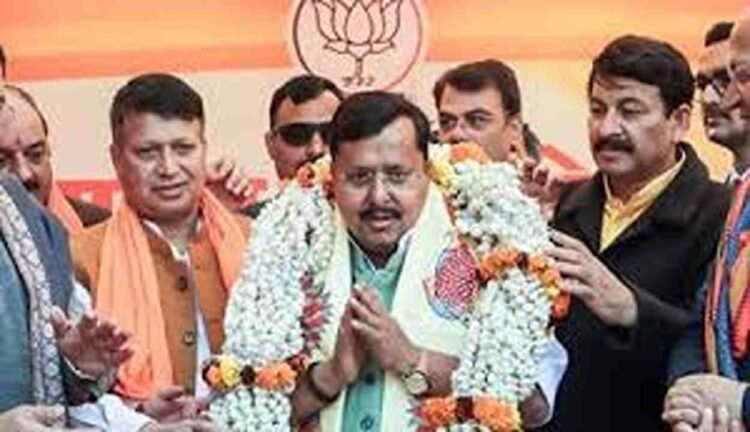
Spiritual Visits Ahead of the Oath Ceremony
Ahead of officially taking charge, Nitin Nabin began his day with visits to major religious landmarks in the national capital. He offered prayers at the Hanuman Mandir located in the Connaught Place area and later paid obeisance at Gurudwara Bangla Sahib. These visits were widely seen as symbolic gestures, reflecting respect for India’s diverse spiritual traditions and underlining the personal discipline often associated with political leadership in the country. Such appearances also highlight how faith and public life often intersect in Indian politics.
Details of the Swearing-In Event
The swearing-in ceremony will be held in New Delhi and is expected to witness the participation of Prime Minister Narendra Modi, along with senior leaders of the Bharatiya Janata Party, several Chief Ministers, and members of the party’s national executive. The gathering is likely to serve not only as a formal event but also as a show of unity and organisational strength. Such ceremonies often act as platforms for reaffirming political vision and long-term goals.
Unopposed Election and Organisational Support
Nitin Nabin’s elevation comes through an unopposed election process, reflecting broad internal consensus. After the nomination and scrutiny stages concluded, he emerged as the sole candidate for the post. According to the official announcement by National Returning Officer K Laxman, only one valid nomination remained after scrutiny and the withdrawal period. This outcome highlighted the level of support Nabin enjoys across the party structure.
Nomination Process and Electoral Formalities
A total of 37 sets of nomination papers were submitted in support of Nabin during the designated time window on Monday. All nominations were found valid, and no withdrawals were recorded. No alternative candidates entered the race, ensuring a smooth progression of the electoral process. The election formally moved forward after 30 of the party’s 36 state unit presidents were elected, crossing the required 50 percent threshold as mandated by the party Constitution. The election schedule notification was issued on January 16, 2026, alongside the publication of the electoral roll, followed by nominations and scrutiny.
Reactions from Party Leaders and Allies
During Nabin’s visit to Gurudwara Bangla Sahib, Delhi minister Manjinder Singh Sirsa welcomed him and connected his leadership to the party’s broader national vision. Sirsa described Nabin as an inspiration for the youth and expressed confidence in his ability to contribute meaningfully to the goal of building a developed India. Such endorsements underline the optimism among party leaders regarding Nabin’s leadership potential and organisational capabilities.
Political Background and Leadership Journey
At 45 years of age, Nitin Nabin represents a relatively younger face in national-level political leadership. He was appointed National Working President on December 14, 2025, a move that was seen as preparation for his larger role. His rise has been strongly supported by the party’s top leadership, including Home Minister Amit Shah and outgoing BJP president JP Nadda. Senior leaders, Chief Ministers, and representatives from multiple states submitted nomination papers in his favour, signalling strong alignment within the organisation.
Electoral College and Party Rules
As the sole candidate, Nabin will be formally elected by the party’s electoral college, which consists of members from the national council and various state councils. Under party rules, a candidate must be proposed by at least 20 electoral college members from a state and must have completed a minimum of 15 years of service within the party. Nabin meets these criteria comfortably, reinforcing the legitimacy of his appointment.
Significance of the Appointment
Party observers view Nabin’s appointment as a strategic move to introduce younger leadership while maintaining ideological and organisational continuity. The transition reflects an effort to balance experience with fresh perspectives, ensuring stability while adapting to changing political dynamics. His leadership is expected to focus on organisational strengthening, youth engagement, and preparing the party for future electoral challenges.
In the coming months, Nitin Nabin’s approach to leadership will be closely watched, both within the party and by political analysts nationwide. His unopposed rise and strong backing suggest high expectations, positioning him as a central figure in shaping the next phase of the party’s organisational journey.