
Naval Exercise – Rajnath Singh Opens MILAN 2026 in Visakhapatnam
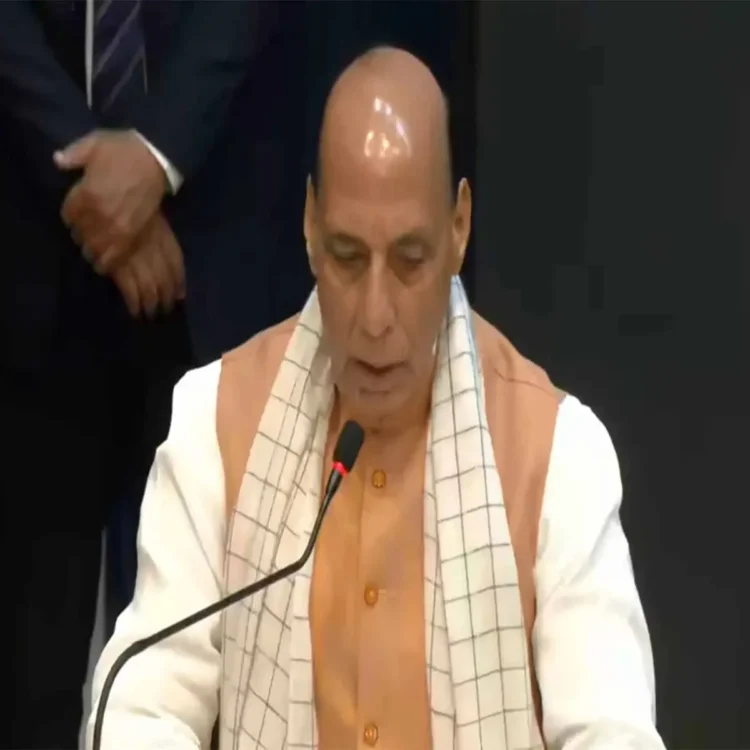
Naval Exercise – Defence Minister Rajnath Singh on Thursday formally launched the 13th edition of Exercise MILAN 2026 in Visakhapatnam, Andhra Pradesh, setting the stage for one of the most significant multilateral naval exercises hosted by India. The inauguration marked the beginning of a nine-day maritime engagement that has drawn participation from an unprecedented 74 countries.
Largest Participation in Exercise’s History
Addressing senior naval officials and foreign delegates, Singh described the 2026 edition as the most expansive and inclusive in the exercise’s history. Representatives from across continents gathered for the opening ceremony, underscoring the growing international footprint of the event.
According to the Defence Minister, the scale of participation reflects the trust that the global maritime community places in India as a dependable and responsible maritime partner. He noted that the steady rise in participation over the years demonstrates India’s increasing role in shaping cooperative maritime security frameworks.
From Regional Drill to Global Platform
Singh highlighted the evolution of MILAN since its inception. What began as a regional naval interaction has, over time, developed into one of the world’s leading multinational naval exercises. Through sustained collaboration among partner nations, the platform has steadily expanded in both scope and complexity.
He described MILAN as one of India’s most consistent and credible maritime engagements, adding that its growth mirrors broader shifts in global naval cooperation. The exercise now serves not only as a training forum but also as a diplomatic and strategic platform for dialogue among naval leaders.
Focus on Interoperability and Professional Exchange
A central objective of MILAN 2026 is to strengthen operational coordination among participating navies. Singh emphasised that improving interoperability remains a key priority, particularly in an era where maritime challenges often demand coordinated responses.
By facilitating the exchange of operational experiences, tactical knowledge, and best practices, the exercise aims to enhance professional standards across fleets. The Defence Minister stressed that such collaboration fosters both operational readiness and long-term partnerships rooted in mutual benefit.
Naval ships, aircraft, and professional delegations from 74 nations are taking part in this year’s edition. Joint drills, seminars, and discussions are expected to form the core of the programme, reinforcing shared understanding and cooperation.
Addressing Emerging Maritime Challenges
In his remarks, Singh drew attention to the shifting security landscape in the maritime domain. Traditional threats such as piracy continue to persist, he said, even as newer risks — including illegal fishing, trafficking networks, cyber vulnerabilities, and disruptions to critical supply chains — grow in scale and complexity.
He also pointed to the increasing frequency of climate-related disasters, which have intensified the demand for humanitarian assistance and disaster relief operations. These developments, he observed, require navies to operate beyond conventional defence roles.
The Defence Minister underlined that no single navy, regardless of its size or capability, can independently address such multifaceted challenges. In today’s interconnected global environment, maritime cooperation has become essential rather than optional.
Strengthening Collective Maritime Security
Singh stated that platforms like MILAN enable navies to build trust, improve coordination, and develop unified responses to shared concerns. By bringing together professional expertise from diverse regions, the exercise aims to reinforce collective maritime security.
MILAN 2026 will run from February 18 to February 26, featuring operational exercises at sea alongside shore-based professional exchanges. Organisers expect the engagements to deepen strategic ties and contribute to greater stability in the Indo-Pacific and beyond.
As the latest edition unfolds in Visakhapatnam, it underscores India’s expanding role in fostering dialogue and collaboration across the world’s naval forces, at a time when maritime security remains central to global stability.