
Mumbai’s Local Politics: Tejashwi Ghosalkar’s Strategic Win in Dahisar Signals a Shift
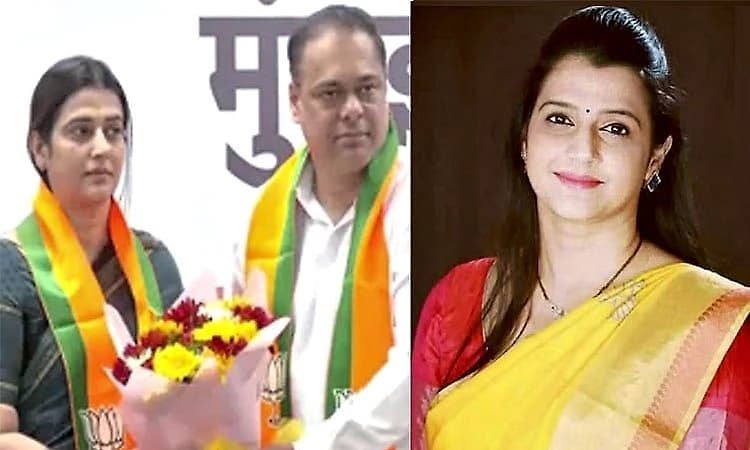
Mumbai’s Local Politics: Tejashwi Ghosalkar’s victory in Dahisar Ward No. 2 during the Brihanmumbai Municipal Corporation elections of 2026 has emerged as one of the most discussed political outcomes in Mumbai. Her decision to join the Bharatiya Janata Party just days before the polls added an unexpected twist to an already intense electoral atmosphere. Despite facing strong opposition and internal political turbulence, the voters of Dahisar delivered a clear mandate in her favor, highlighting changing voter priorities at the grassroots level.
Background of the Dahisar Ward Contest
The election in Dahisar Ward No. 2 attracted widespread attention due to the complex political backdrop surrounding it. Local municipal elections often reflect hyper-local issues, but this particular contest went beyond routine civic politics. Party realignments, denied tickets to long-standing workers, and personal rivalries all combined to make this ward one of the most closely watched battlegrounds in Mumbai.
Tejashwi Ghosalkar’s entry into the BJP shortly before the elections surprised many political observers. Such late-stage switches are usually viewed with skepticism, yet in this case, the move appeared calculated and well-timed. Her campaign focused on continuity, development, and stability, themes that resonated strongly with local voters.
A High-Profile Rivalry Shapes the Narrative
One of the defining features of this election was the face-off between Tejashwi Ghosalkar and Dhanashree Kolge, a former close associate. The Shiv Sena UBT’s decision to field Kolge transformed the contest into a personal and political rivalry. This narrative dominated discussions in the ward, with voters closely following campaign developments and public statements from both sides.
Such rivalries often polarize voters, but in Dahisar, the electorate appeared more focused on leadership credibility and perceived effectiveness rather than personal history. The rivalry added emotional intensity to the campaign, yet it ultimately failed to sway voters away from their broader expectations of governance and representation.
Impact of Internal Party Discontent
Another important factor influencing the election was visible dissatisfaction within multiple political parties. Several loyal workers were denied tickets, leading to resentment and reduced enthusiasm at the ground level. In local body elections, organizational strength and booth-level coordination play a critical role, and internal discontent can significantly weaken a campaign.
In this context, Tejashwi Ghosalkar’s campaign benefited from a relatively cohesive support base. Her ability to consolidate backing despite the short time frame after switching parties suggested strong personal rapport with voters and effective on-ground management.
Shadow of a Controversial Incident
The political environment in Dahisar was further complicated by a widely discussed Facebook Live murder case that had earlier shocked the area. The incident not only drew media attention but also triggered political and personal divisions within the Ghosalkar family. This episode added a sensitive layer to the election, with opponents attempting to link the controversy to the candidate.
However, voters appeared to distinguish between personal tragedy and civic leadership. Rather than allowing the incident to dominate their choice, many residents focused on local development issues, safety, and administrative efficiency. This response indicated a degree of political maturity among the electorate.
Clear Lead from the Counting Rounds
When counting began, the trend quickly became evident. Tejashwi Ghosalkar took a decisive lead from the very first round, signaling strong initial support. By the end of the second round, the gap between the two candidates had widened significantly, reducing the chances of any late turnaround.
The final results confirmed the early momentum. With 16,484 votes, Ghosalkar secured a commanding victory over her opponent, who managed 5,729 votes. The margin of 10,755 votes was not just a numerical win but a clear endorsement from the voters of Dahisar Ward No. 2.
What This Victory Means for Mumbai Politics
This result carries implications beyond a single municipal ward. It reflects shifting voter loyalties, the declining influence of traditional rivalries, and the importance of individual credibility in local elections. The outcome also highlights how strategic political decisions, even those taken close to polling day, can succeed if aligned with voter sentiment.
For Mumbai’s broader civic landscape, the Dahisar result may influence future candidate selections and campaign strategies. Parties may place greater emphasis on ground-level acceptance and adaptability rather than long-standing affiliations alone.