
Mumbai Civic Elections 2025: Alliance Strategies, Seat Sharing, and the Road Ahead
Mumbai Civic Elections 2025: The political landscape of Mumbai is once again witnessing intense activity as major parties finalize their strategies for the upcoming Brihanmumbai Municipal Corporation elections. With deadlines approaching and alliances being carefully calibrated, the civic polls have become a focal point of Maharashtra politics, especially given Mumbai’s economic and political significance.
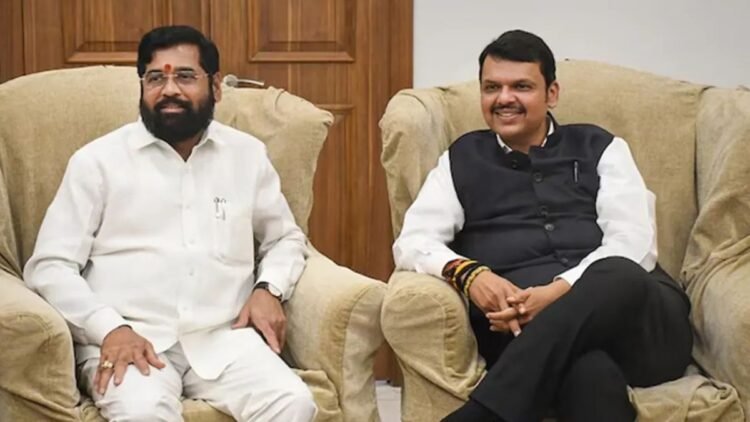
Seat Sharing Formula Between Alliance Partners
The Bharatiya Janata Party and the Eknath Shinde-led Shiv Sena have formally announced a seat-sharing agreement for the Brihanmumbai Municipal Corporation elections. According to the arrangement, the BJP will contest 137 seats, while the Shiv Sena faction under Chief Minister Eknath Shinde will field candidates in 90 seats. This understanding was disclosed by Mumbai BJP president Amit Satam after extensive discussions held just before the nomination deadline.
The agreement reflects an attempt to maintain balance within the ruling alliance while maximizing electoral efficiency. Both parties have also decided to allocate a limited number of seats from their respective shares to smaller alliance partners, ensuring broader representation within the ruling coalition. This move is expected to help consolidate votes and avoid internal competition in key wards.
Nomination Process and Election Timeline
Candidates from both the BJP and the Shinde-led Shiv Sena are scheduled to file their nomination papers shortly before the deadline. The timing highlights the urgency and strategic coordination between alliance partners, as last-minute negotiations often play a decisive role in urban local body elections.
The Maharashtra State Election Commission has announced that elections to 29 municipal corporations across the state, including Mumbai, will be conducted on January 15. The counting of votes is slated for the following day. Given Mumbai’s prominence, the Brihanmumbai Municipal Corporation election is being closely watched by political observers, analysts, and voters alike.
NCP’s Independent Strategy Within Mahayuti
Another key constituent of the Mahayuti alliance, the Nationalist Congress Party led by Deputy Chief Minister Ajit Pawar, has opted to contest the Brihanmumbai Municipal Corporation polls independently. The party has already announced 64 candidates, signaling its intent to retain a distinct political identity in Mumbai’s civic politics.
This decision introduces an additional layer of complexity to the electoral contest. While the NCP remains part of the broader ruling alliance at the state level, its separate contest in Mumbai may influence vote distribution, especially in wards where alliance voter bases overlap.
Lessons From the 2017 BMC Elections
The 2017 Brihanmumbai Municipal Corporation elections serve as an important reference point for all major parties. In that election, held for 227 seats, the BJP made significant gains in what was traditionally considered a Shiv Sena stronghold. The party secured 82 seats, falling just two seats short of the undivided Shiv Sena, which emerged as the single largest party at the time.
The Congress finished in third place with 31 seats, while the undivided Nationalist Congress Party and the Maharashtra Navnirman Sena faced major setbacks, winning 9 and 7 seats respectively. Several smaller parties and independents also made their presence felt, reflecting Mumbai’s diverse political preferences and localized voting patterns.
Changing Political Dynamics in Mumbai
Since 2017, Mumbai’s political environment has undergone notable changes. Party splits, shifting alliances, and leadership transitions have reshaped voter perceptions. The current BJP–Shiv Sena alliance is attempting to project stability and governance continuity, while opposition parties are looking to capitalize on urban issues such as infrastructure, housing, transport, and civic services.
Voter turnout, candidate credibility, and local issues are expected to play a crucial role in determining outcomes. The Brihanmumbai Municipal Corporation, being one of Asia’s richest civic bodies, wields substantial administrative and financial power, making these elections strategically important for all stakeholders.
What to Expect Going Forward
As campaigning intensifies, voters can expect a focus on development narratives, governance records, and promises related to urban living standards. The seat-sharing formula aims to prevent vote fragmentation within the ruling alliance, but the presence of multiple parties ensures a competitive and closely fought election.
The upcoming results will not only shape Mumbai’s civic administration but may also influence broader political strategies in Maharashtra ahead of future state and national elections.