
MaritimeSecurity – India Urges Calm as Tensions Threaten Key Shipping Routes
MaritimeSecurity – India has raised serious concerns over the worsening situation in West Asia, urging all sides to prioritise dialogue and restraint while stressing that international shipping lanes must remain secure and accessible under established global laws.
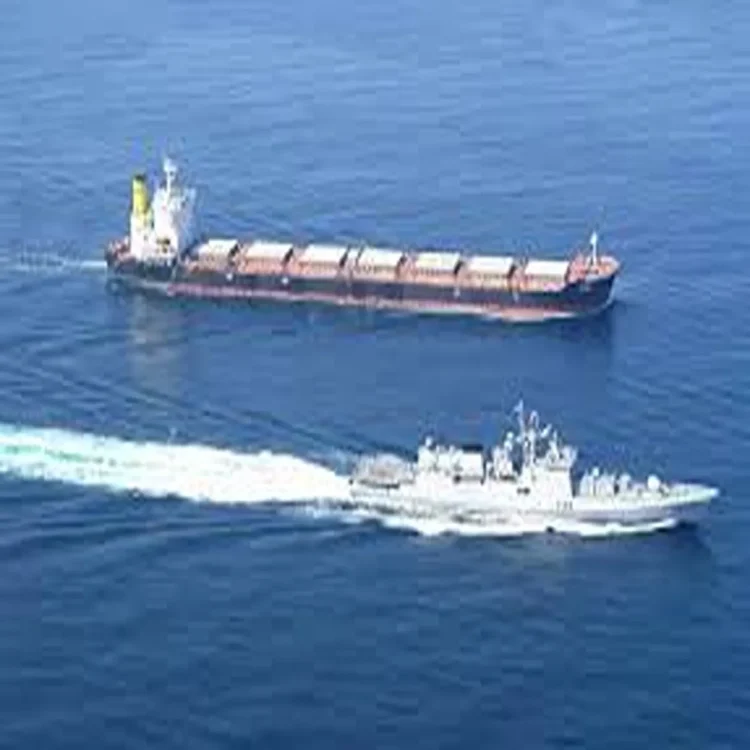
India Calls for Diplomatic De-escalation
Speaking at the 36th Extraordinary Session of the International Maritime Organization (IMO) Council in London, India’s High Commissioner to the United Kingdom, Vikram Doraiswami, highlighted the urgent need to reduce tensions through peaceful engagement. He underlined that civilian safety must remain at the centre of all efforts, especially as the conflict continues to affect critical maritime regions.
Doraiswami emphasised that any escalation could have far-reaching consequences, not only for regional stability but also for global trade and energy supply chains that depend heavily on uninterrupted maritime movement.
Commercial Shipping Under Threat
The two-day IMO session focused on the impact of ongoing hostilities in areas such as the Arabian Sea, the Sea of Oman, and the broader Gulf region. Particular attention was given to the Strait of Hormuz, a vital corridor for global oil and cargo shipments.
India strongly condemned attacks on merchant vessels and civilian maritime infrastructure. Doraiswami described such actions as unacceptable, noting that they have already resulted in casualties and heightened risks for seafarers navigating these waters. He reiterated that ensuring safe passage for commercial ships is a fundamental obligation under international law.
Indian Seafarers Among Those Affected
Providing details on India’s maritime presence in the region, Doraiswami said that 24 Indian-flagged vessels are currently operating in and around the Persian Gulf. Of these, 22 ships are located west of the Strait of Hormuz, carrying 611 Indian crew members, while two vessels are positioned to the east with 47 personnel on board.
He also confirmed that Indian nationals have been directly impacted by the conflict. Out of seven reported fatalities in recent incidents, three were Indian seafarers. Additionally, four Indian crew members have sustained injuries, and one individual remains unaccounted for.
India expressed condolences to the families of those affected and reiterated its commitment to ensuring the safety of its citizens working at sea.
Significant Role of Indian Workforce
India continues to be one of the largest contributors to the global maritime workforce, accounting for approximately 13 percent of the world’s seafarers. According to official estimates, nearly 23,000 Indian seafarers have been affected by the ongoing crisis in the region.
This significant presence underscores the broader implications of maritime insecurity, not just for India but for the global shipping industry as a whole.
Emergency Measures and Support Systems
To address the challenges faced by seafarers, the Indian government has implemented several response mechanisms. These include a 24-hour helpline available to all seafarers regardless of nationality, as well as a rapid response team established by the Directorate General of Shipping.
In addition, the Ministry of External Affairs has set up a dedicated control room to assist affected individuals and their families. These measures aim to provide timely support and ensure coordination during emergencies.
Strengthening Maritime Surveillance and Cooperation
India has also intensified its maritime monitoring efforts by enhancing information-sharing systems and preparedness strategies. Doraiswami raised concerns about the potential for environmental damage due to attacks on commercial vessels, warning that such incidents could lead to significant marine pollution.
He further advocated for greater international collaboration through information networks. In this context, he highlighted the role of India’s Information Fusion Centre for the Indian Ocean Region (IFC-IOR), which facilitates cooperation among countries to improve maritime safety and security. The centre has established partnerships with multiple nations and continues to expand its global reach.
Global Implications of Maritime Instability
The discussions at the IMO session reflected growing concern among member states about the broader consequences of instability in key shipping corridors. Disruptions in these regions could impact global trade flows, energy supplies, and humanitarian logistics.
India’s intervention underscored the importance of collective action to safeguard maritime routes and protect those who depend on them. As tensions persist, the emphasis remains on diplomacy, adherence to international law, and coordinated efforts to maintain safe navigation.