
MaritimeSecurity – India Prioritises Safe Passage Through Strait of Hormuz
MaritimeSecurity – Prime Minister Narendra Modi on Wednesday reaffirmed that maintaining secure and uninterrupted navigation through the Strait of Hormuz is a top concern for India, as tensions continue to simmer across West Asia. His remarks came during a discussion with Kuwait’s Crown Prince Sheikh Sabah Al-Khaled Al-Hamad Al-Mubarak Al-Sabah, reflecting growing international focus on safeguarding critical shipping routes.
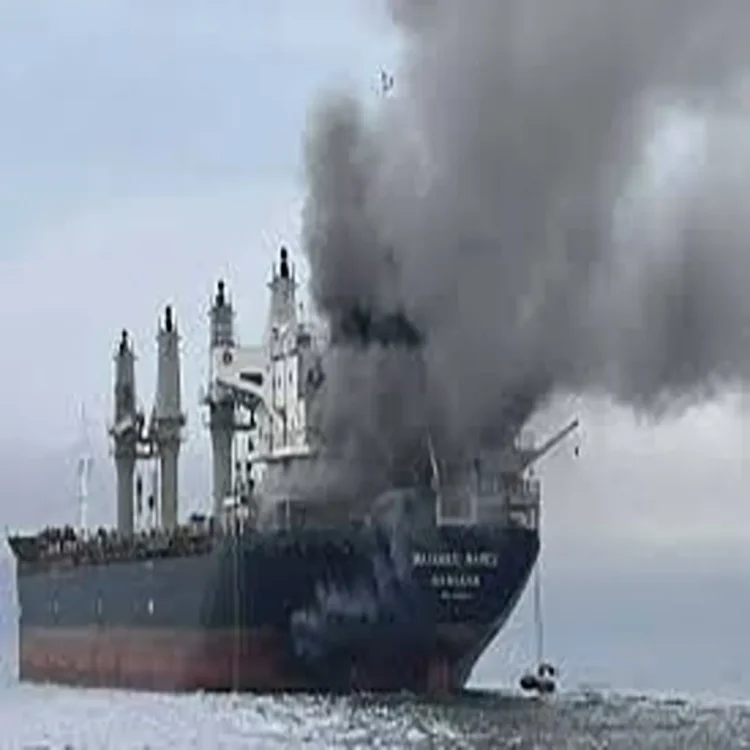
Focus on Key Maritime Corridor
The Strait of Hormuz, a vital global energy transit route, has remained under scrutiny due to recent geopolitical developments in the region. India, which relies heavily on energy imports passing through this corridor, has consistently stressed the importance of ensuring that maritime movement remains free from disruptions.
During the conversation, both leaders exchanged views on the changing regional landscape and acknowledged the risks posed by ongoing instability. Modi highlighted that uninterrupted access to such strategic waterways is essential not only for India but also for global economic stability.
Strong Stand on Sovereignty Issues
In his remarks, the Prime Minister also reiterated India’s firm stance against any actions that threaten Kuwait’s sovereignty and territorial integrity. The issue formed a key part of the dialogue, with both sides expressing concern over recent incidents affecting regional security.
India has traditionally maintained close diplomatic ties with Kuwait, and Modi’s statement underlined New Delhi’s continued support for the nation’s independence and stability. The exchange reflected a shared understanding of the need to uphold international norms and respect national boundaries.
Continued Diplomatic Engagement
The discussion with Kuwait’s leadership followed closely on the heels of Modi’s interaction with the President of the United Arab Emirates, Sheikh Mohamed bin Zayed Al Nahyan, a day earlier. In that meeting as well, the emphasis remained on preserving maritime safety and encouraging efforts to restore calm in the region.
India’s approach has centred on dialogue and cooperation, with Modi noting that sustained diplomatic engagement is crucial for easing tensions and promoting long-term peace. The back-to-back high-level conversations signal India’s active involvement in regional developments and its intent to contribute constructively to stability efforts.
Concerns Over Regional Developments
The evolving situation in West Asia has raised alarms globally, particularly due to its potential impact on trade routes and energy supplies. India, as a major stakeholder, has been closely monitoring developments and engaging with regional partners to address shared concerns.
Officials indicated that both India and Kuwait recognise the importance of coordinated responses to emerging challenges. Their discussions also touched on broader security dynamics, underscoring the interconnected nature of regional peace and economic resilience.
Assurance on Indian Community Safety
Apart from strategic concerns, Modi expressed appreciation for Kuwait’s continued efforts to ensure the safety and well-being of the Indian diaspora living in the country. The welfare of overseas Indians remains a key priority for the government, especially in regions experiencing uncertainty.
Kuwait hosts a significant number of Indian nationals, and bilateral ties have often been strengthened through people-to-people connections. The assurance provided by Kuwaiti authorities was acknowledged as a positive step amid the current climate.
India’s Strategic Balancing Act
India’s recent diplomatic outreach highlights its balanced approach in dealing with complex geopolitical situations. By maintaining open channels with multiple regional partners, New Delhi aims to safeguard its national interests while also supporting broader peace initiatives.
The emphasis on maritime security, respect for sovereignty, and ongoing dialogue reflects a consistent policy direction. As the situation in West Asia continues to evolve, India is expected to remain actively engaged, working alongside international partners to ensure stability in one of the world’s most critical regions.