
Luxury Metro Coaches: A New Step Toward Cleaner Air and Smarter Urban Travel in Delhi
Luxury Metro Coaches: Air pollution has long been one of the most pressing challenges for India’s national capital, affecting health, productivity, and overall quality of life. In response to this growing concern, a new initiative has been announced that aims to encourage people to shift from private cars to public transport. The introduction of luxury coaches in Delhi Metro trains, along with premium last-mile connectivity, represents a significant step toward reducing traffic congestion and improving air quality across the city.
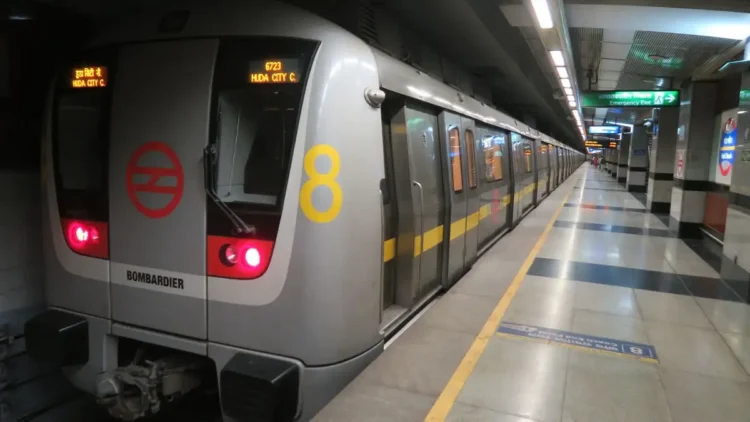
Delhi Metro already plays a vital role in the daily lives of millions, and this new plan is designed to make public transport even more attractive for those who currently rely on personal vehicles.
A Fresh Approach to Reducing Air Pollution
The idea behind adding luxury coaches is simple yet strategic. Many car owners avoid public transport due to comfort concerns, privacy issues, or the inconvenience of last-mile travel. By addressing these factors, authorities hope to change commuting behavior on a large scale.
Luxury coaches will be introduced in existing six-car metro trains. These coaches are expected to offer enhanced comfort, a quieter environment, and a premium travel experience. The goal is to make metro travel appealing even to those accustomed to driving their own cars.
In addition to upgraded coaches, luxury cab services will be deployed at metro stations. These cabs will help commuters travel easily from stations to their homes or offices, solving one of the biggest challenges in urban public transport: last-mile connectivity.
Announcement by the Union Government
The plan was announced during a public interaction in Lajpat Nagar by the Union Minister for Housing and Urban Affairs, Manoharlal Khattar. While addressing residents, he emphasized that reducing the number of private vehicles on Delhi’s roads is essential to tackling traffic jams and air pollution.
According to him, fewer vehicles would directly lead to lower emissions, less smog, and improved air quality. This initiative is not just about convenience, but about creating long-term environmental benefits for the city and its residents.
The Role of Delhi Metro in Urban Mobility
Delhi Metro is already one of the busiest and most extensive urban transit systems in the country. On an average day, around 35 lakh passengers rely on the metro for their commute. This massive ridership highlights how crucial the metro is for managing traffic in a densely populated city.
The minister pointed out that the pollution situation in Delhi would have been far worse without the metro system. By taking millions of commuters off the roads each day, the metro has significantly reduced fuel consumption and vehicle emissions over the years.
The introduction of premium services is expected to further increase ridership, particularly among professionals and car owners who are looking for a comfortable yet sustainable alternative.
Long-Standing Urban Challenges in the Capital
Delhi has been dealing with urban infrastructure issues for nearly two decades. These problems extend beyond pollution and include road conditions, transportation planning, and waste management. According to the Union Minister, at least eighteen major problem areas have been identified that require coordinated solutions.
To address these challenges, the Ministry of Urban Development holds regular monthly meetings with the Delhi government. Each issue is discussed in detail, with a focus on long-term planning rather than short-term fixes.
One of the key priorities in these discussions is the continuous expansion of the metro network, which is seen as the backbone of sustainable urban transport.
Expansion of the Metro Network
Currently, more than 400 kilometers of metro lines are operational across Delhi and the National Capital Region. This makes it one of the largest metro networks in the world concentrated within a single urban region.
There are ambitious plans to expand this network even further. Nationwide, India has approximately 1,100 kilometers of metro lines, with about 800 kilometers currently under construction. Once another 400 kilometers are completed, India is expected to surpass the United States in terms of having the longest metro network within a single country.
Delhi, in particular, is on track to overtake cities like Chicago in terms of total operational metro line length within one urban area. This rapid expansion reflects the growing importance of mass rapid transit in managing urban growth and environmental sustainability.
A Step Toward a Cleaner and Smarter Future
The introduction of luxury metro coaches should be seen as part of a broader vision for cleaner air and smarter cities. By combining comfort, efficiency, and environmental responsibility, the initiative aims to change how people perceive public transport.
If successful, this model could inspire similar projects in other Indian cities facing pollution and traffic challenges. Encouraging people to leave their cars at home is not easy, but offering a high-quality public transport experience makes that choice much more attractive.
In the long run, such measures could play a decisive role in transforming Delhi into a more livable, sustainable, and commuter-friendly city.