
Language – Mamata Banerjee Calls for Equal Respect on Mother Language Day
Language – West Bengal Chief Minister Mamata Banerjee on Saturday marked International Mother Language Day by underscoring the need to protect and honour every language spoken across communities. In her message, she stressed that linguistic diversity forms the backbone of India’s cultural strength and warned against any attempt to undermine it.
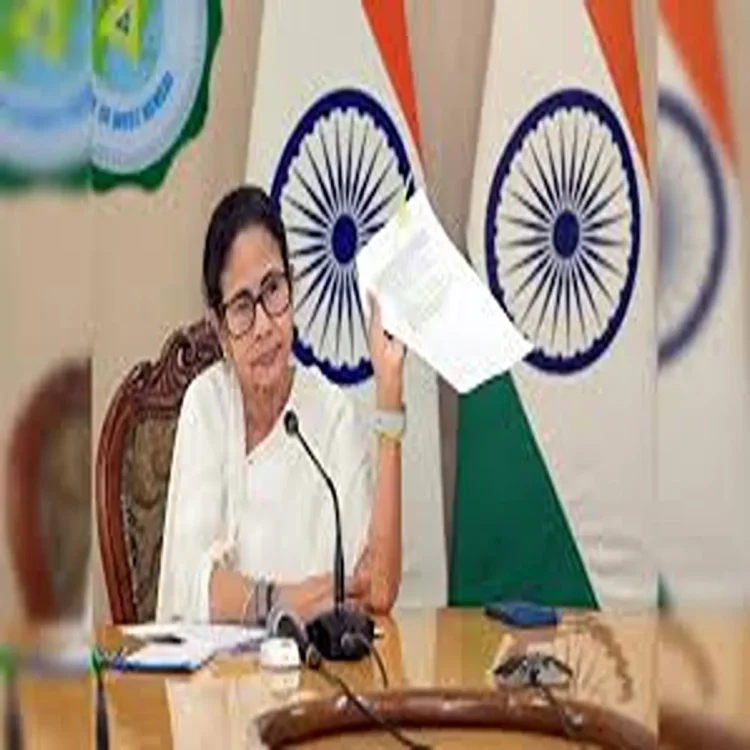
Tribute to Language Movement Martyrs
Observing the global day dedicated to linguistic heritage, Banerjee paid homage to those who lost their lives in movements aimed at safeguarding their native tongues. She said their sacrifices continue to inspire governments and citizens to defend cultural identity through language.
International Mother Language Day, observed annually on February 21, serves as a reminder of the importance of preserving linguistic traditions. Banerjee noted that the day carries emotional significance, especially in regions where language has played a defining role in shaping identity and social unity.
State’s Commitment to Linguistic Diversity
The Chief Minister highlighted her administration’s efforts to recognize and promote multiple languages within the state. According to her, official recognition has been granted to several linguistic communities, reflecting West Bengal’s inclusive approach.
She reiterated that the government remains committed to ensuring that linguistic minorities are not left behind in matters of education and cultural representation. Institutions have been established to promote various languages, helping communities safeguard their heritage while also encouraging academic research and literary growth.
Banerjee added that language academies created by the state are actively working to document and promote literature, history, and cultural practices linked to different linguistic groups.
Education in the Mother Tongue
A key part of the government’s policy, Banerjee said, is providing individuals the opportunity to study in their mother tongue. She emphasized that access to primary education in one’s native language strengthens learning outcomes and preserves cultural continuity.
In a post shared on social media platform X, she wrote that every resident of the state, regardless of the language spoken at home, has the right to pursue education in that language. This policy, she indicated, aligns with broader efforts to promote inclusivity and equal opportunity.
Education experts have long argued that early instruction in a child’s first language improves comprehension and academic performance. Banerjee’s remarks reflected this understanding, linking educational empowerment with cultural respect.
Bengali Heritage and Wider Inclusivity
While referring to Bengali as a language with a rich literary and historical tradition, Banerjee clarified that the state’s commitment extends far beyond a single linguistic identity. She said respect for Bengali does not come at the expense of other languages but instead coexists within a larger framework of mutual recognition.
West Bengal has historically been home to speakers of several languages, including Hindi, Urdu, Nepali, Santali, and others. The Chief Minister stated that protecting this mosaic of languages remains a priority for her administration.
A Call for Unity Against Linguistic Discrimination
In her concluding remarks, Banerjee reaffirmed a collective pledge to stand united if any language faces threats or marginalization. She stressed that safeguarding linguistic rights is a shared responsibility and urged citizens to uphold harmony.
“All languages deserve equal respect,” she said, reiterating that diversity should be celebrated rather than challenged.
Her message on International Mother Language Day echoed broader national and global conversations about cultural preservation, minority rights, and inclusive development. As governments and communities reflect on the importance of language in shaping identity, the emphasis remains on building an environment where every voice is valued and protected.