
JapanElection – Global Leaders Applaud Takaichi’s Historic Victory
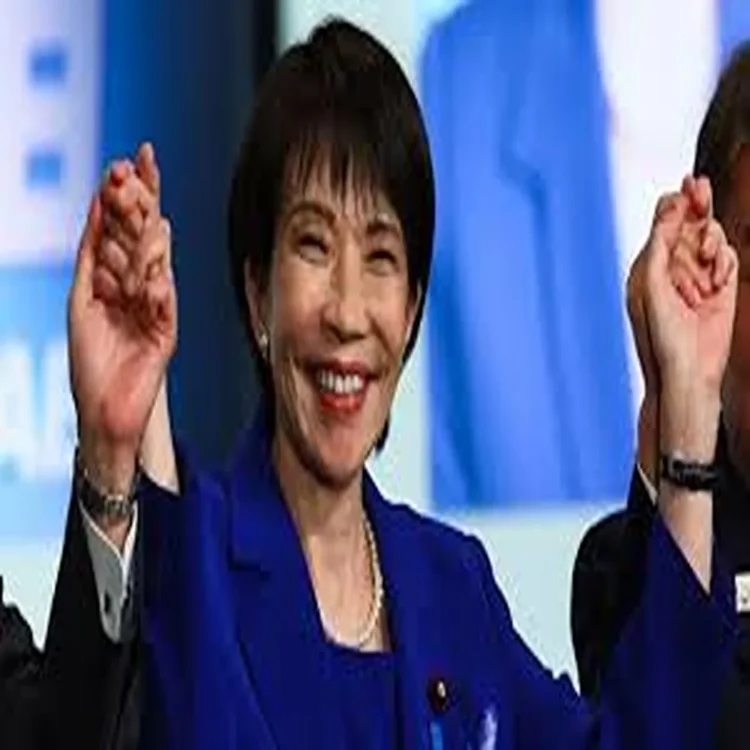
JapanElection – World leaders have extended their congratulations to Japanese Prime Minister Sanae Takaichi after her ruling coalition secured a commanding victory in the country’s snap general election, marking a significant moment in Japan’s postwar political landscape.
Australia Signals Stronger Bilateral Engagement
Australian Prime Minister Anthony Albanese was among the first to respond publicly, praising the outcome and underscoring the strength of ties between Canberra and Tokyo. In a message shared on social media, Albanese congratulated Takaichi and said the relationship between Australia and Japan had reached unprecedented levels of cooperation.
He expressed confidence that the partnership would continue to grow, particularly in areas such as regional security, economic collaboration and strategic coordination in the Indo-Pacific. Australia and Japan have expanded defense and trade cooperation in recent years, positioning their alliance as a cornerstone of regional stability.
India Reaffirms Strategic Partnership
Indian Prime Minister Narendra Modi also welcomed the election result, describing the India-Japan partnership as central to promoting global stability and shared prosperity. In his message, Modi highlighted the importance of the Special Strategic and Global Partnership between the two nations, which outlines broad areas of cooperation for the coming decade.
India and Japan have worked closely on infrastructure projects, maritime security initiatives and multilateral cooperation. Modi’s remarks reflected continuity in that approach, emphasizing that Tokyo remains a critical partner in advancing peace and economic development across the region.
United States Praises Electoral Mandate
US President Donald Trump described the outcome as a decisive victory for Takaichi and her coalition. Posting on his social media platform, he characterized the result as historic and commended the Japanese leader’s decision to call early elections.
Trump noted that the ruling party had secured a two-thirds supermajority in the lower house, a threshold that significantly strengthens its legislative authority. He also expressed appreciation for Japanese voters, saying the result demonstrated strong public support for Takaichi’s leadership and policy direction.
Landmark Majority in the Lower House
According to reports from Kyodo News, Japan’s ruling Liberal Democratic Party achieved a two-thirds majority in the 465-seat House of Representatives. Crossing the 310-seat mark grants the party expanded legislative powers, including the ability to override certain decisions by the upper House of Councillors, where the governing coalition does not hold a majority.
Such a margin is particularly significant in Japan’s parliamentary system. It opens the door for constitutional revision initiatives and enables the government to push forward legislation with greater certainty. Analysts have described the outcome as one of the most substantial mandates in recent decades.
The scale of the victory represents a dramatic increase from the party’s pre-election standing of 198 seats. Political observers attribute much of the surge to Takaichi’s popularity and campaign strategy, which focused on economic reform and national security.
Echoes of a Past Political Turnaround
The election result has drawn comparisons to the 2012 general election, when the Liberal Democratic Party returned to power after a brief period in opposition. That earlier victory paved the way for the nearly eight-year tenure of former Prime Minister Shinzo Abe, whose administration shaped Japan’s economic and security policies for much of the last decade.
The current mandate similarly places Takaichi in a strong position early in her term, which began in October. With coalition support, including backing from the Japan Innovation Party, the government now commands a dominant presence in the lower chamber.
A Defining Moment for Japanese Politics
The snap election outcome marks a pivotal chapter in Japan’s modern political history. By securing a supermajority, Takaichi has obtained the parliamentary backing necessary to pursue key legislative priorities and potentially revisit constitutional debates that have long been part of the national conversation.
As congratulatory messages continue to arrive from capitals around the world, the focus now shifts to how the strengthened government will translate its electoral success into policy action. For Japan’s allies and partners, the result signals continuity in diplomatic and strategic engagement at a time of evolving regional challenges.