
Israel – Congress Criticises Modi Over Visit Amid Gaza Conflict
Israel – The Congress party on Wednesday launched a sharp criticism of Prime Minister Narendra Modi’s visit to Israel, accusing him of ignoring global concerns over the ongoing conflict in Gaza while strengthening ties with Israeli Prime Minister Benjamin Netanyahu.
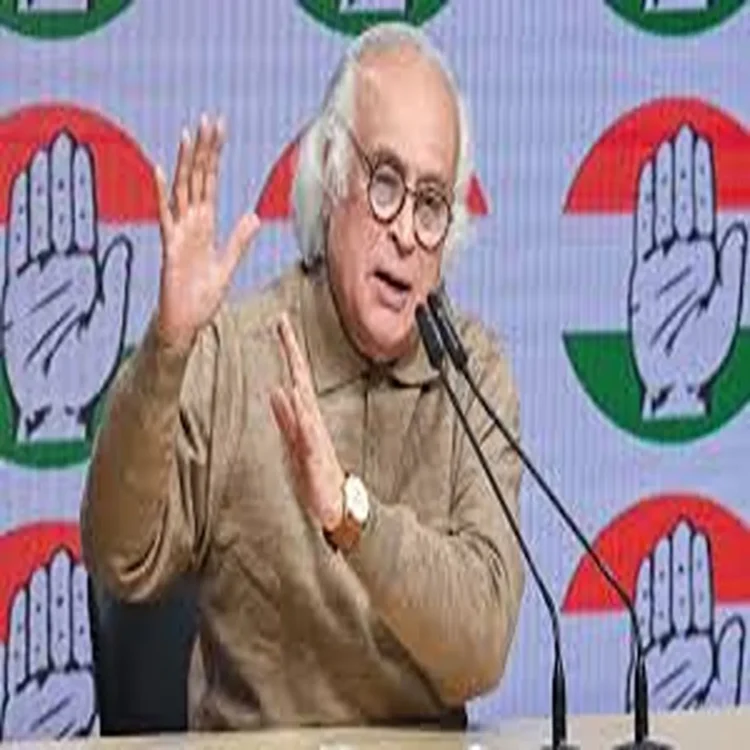
The opposition party questioned the timing of the visit, arguing that it comes at a moment when many countries have expressed alarm over the humanitarian situation in Gaza. Senior Congress leaders said the prime minister’s outreach to Israel appears insensitive amid mounting civilian casualties and international scrutiny.
Congress Raises Concerns Over Diplomatic Optics
Congress general secretary in charge of communications, Jairam Ramesh, said the prime minister’s public engagement with Netanyahu sends the wrong message at a time when Gaza has witnessed extensive destruction. He alleged that Israel’s military operations have left large parts of the region devastated and accused the Israeli government of continuing settlement expansion activities in the West Bank.
In a statement posted on social media platform X, Ramesh contrasted the current approach with India’s past positions on Palestine. He suggested that India’s earlier governments maintained a more visible balance between support for Palestinian aspirations and engagement with Israel.
References to India’s Historical Position
Highlighting historical precedents, Ramesh recalled that former Prime Minister Jawaharlal Nehru visited Gaza on May 20, 1960, where he met members of the Indian contingent serving in the United Nations Emergency Force. He also pointed to symbolic and diplomatic gestures made by previous governments, including the issuance of a commemorative postage stamp in 1981 expressing solidarity with Palestine and India’s formal recognition of the State of Palestine in 1988.
According to the Congress leader, these actions reflected what he described as a different phase in India’s foreign policy, one that sought to balance relations in West Asia while maintaining support for Palestinian statehood.
Priyanka Gandhi Urges Focus on Gaza
Earlier, Congress general secretary Priyanka Gandhi Vadra expressed hope that Prime Minister Modi would address the humanitarian crisis in Gaza during his visit. In her message on X, she said she expected the prime minister to raise concerns about the loss of civilian lives while speaking at the Israeli Parliament, known as the Knesset, and to call for justice.
Her remarks added to the opposition’s broader criticism that the government has not spoken strongly enough on the situation in Gaza.
Government Emphasises Strategic Partnership
Prime Minister Modi’s visit to Israel began on Wednesday and is aimed at strengthening defence and trade cooperation between the two countries. Officials have indicated that discussions will focus on expanding collaboration in key sectors, including security, technology, agriculture, and innovation.
This marks Modi’s second visit to Israel in nine years. During his first trip in July 2017, India and Israel elevated their ties to the level of a strategic partnership, signalling closer engagement across multiple domains.
Over the past decade, India and Israel have deepened cooperation in defence procurement, intelligence sharing, and joint technological initiatives. Trade between the two countries has also grown steadily, reflecting expanding economic ties.
Ongoing Political Debate
On Tuesday, the Congress alleged that the government’s approach suggests a departure from India’s traditional support for the Palestinian cause. The party argued that the prime minister’s visit takes place while military operations in Gaza continue and called for a clearer articulation of India’s position on civilian protection and international law.
The government has not directly responded to the opposition’s latest remarks but has maintained that India seeks peace and stability in the region while pursuing its national interests.
As the visit unfolds, the debate highlights broader questions about India’s diplomatic balance in West Asia and the evolving nature of its partnerships in a complex geopolitical landscape.