
India: Mann Ki Baat Highlights Grassroots Environmental And Cultural Efforts Across
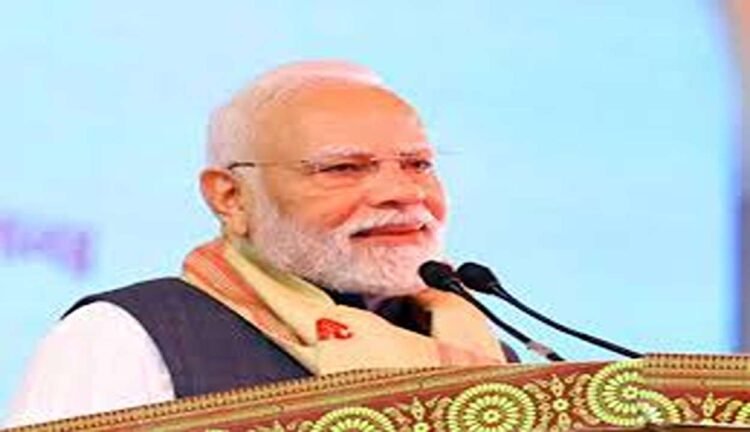
India: Prime Minister Narendra Modi, during the latest episode of his monthly radio programme Mann Ki Baat, drew national attention to several inspiring grassroots initiatives from different parts of India. The address focused on individuals and communities who have contributed significantly to environmental conservation, traditional knowledge preservation, water management, and social responsibility, reflecting the spirit of participatory development.
Traditional Knowledge And Medicinal Plant Documentation In Madhya Pradesh
One of the most notable stories shared during the broadcast came from the Panna district of Madhya Pradesh. The Prime Minister praised the dedication of Jagdish Prasad Ahirwar, a forest beat guard, who undertook the task of systematically documenting medicinal plants found in local forest areas. Recognizing the absence of structured records, he began identifying, photographing, and noting essential details such as local names, medicinal uses, and locations of various plant species.
Over time, his efforts led to the identification of more than 125 medicinal plants. This valuable collection of information was later compiled by the Forest Department and published as a book, making it accessible for research, conservation, and educational purposes. The initiative highlights the importance of preserving indigenous knowledge and the role of grassroots workers in strengthening biodiversity documentation.
Revival Of The Tamsa River Through Community Participation
The programme also highlighted the successful revival of the Tamsa River, which flows through Ayodhya before merging with the Ganga. Once considered a lifeline for the region, the river had suffered from pollution and reduced flow over the years. Local residents came together to address the issue, launching a collective campaign aimed at cleaning and restoring the river.
Through consistent efforts involving waste removal, awareness drives, and coordinated community action, the river’s natural flow was gradually restored. This example was presented as a reminder that environmental restoration is possible when citizens take ownership of local resources and work together with a shared sense of responsibility.
Water Conservation Initiatives In Drought-Prone Anantapur
Attention was also drawn to Anantapur in Andhra Pradesh, a region known for prolonged drought conditions and water scarcity due to its red, sandy soil. Faced with recurring challenges, local communities, with administrative support, initiated efforts to rejuvenate existing water reservoirs.
These efforts culminated in the launch of the Ananta Neeru Sanrakshanam Project. Under this initiative, more than ten reservoirs were cleaned and revived, improving water storage capacity. Alongside reservoir restoration, over 7,000 trees were planted to enhance groundwater recharge and improve the local ecosystem. The initiative demonstrates how integrated water management and afforestation can help mitigate the impact of drought in vulnerable regions.
Green Cover Expansion In West Bengal’s Cooch Behar
Another inspiring example shared during the programme came from Cooch Behar in West Bengal. A local resident, Benoy Das, was acknowledged for his long-term commitment to increasing green cover in his district. Over the years, he has planted thousands of trees, often bearing the financial responsibility for saplings, planting, and maintenance himself.
In addition to his individual efforts, he has collaborated with students, local residents, and municipal bodies to expand greenery along roadsides and public spaces. His work has contributed to improved environmental quality and increased awareness about the importance of tree plantation at the community level.
Broader Themes Addressed In The Broadcast
Beyond these local success stories, the Prime Minister also touched upon a range of national and cultural topics. These included preparations for Republic Day celebrations, the significance of National Voters’ Day, and the cultural value of bhajan and kirtan in Indian society. The address also referenced India’s participation in global discussions at the AI Impact Summit, emphasizing the country’s evolving role in technology and innovation.
Emphasis On Collective Action And Civic Responsibility
The episode reinforced the message that meaningful change often begins at the grassroots level. By highlighting real-life examples from diverse regions, the programme showcased how individual initiative, community participation, and administrative support can collectively drive sustainable development and social transformation.