
Forest: Tragic IED Blast Highlights Growing Civilian Risk in Bastar Regions
Forest: A tragic incident in the forested region of Chhattisgarh once again underlines the grave dangers posed by Improvised Explosive Devices in conflict-affected areas. A 20-year-old civilian lost his life after accidentally triggering a pressure-based explosive device allegedly planted by Naxalite groups in Bijapur district. The incident has raised serious concerns about civilian safety, especially for villagers who depend on nearby forests for their daily livelihood.
The victim, identified as Aayta Kuhrami, was a resident of Kasturipad village, which falls under the Usoor police station jurisdiction. On Sunday, he had gone into the nearby forest, a routine activity for many locals who collect forest produce or travel through these areas for work. Unfortunately, during his movement, he unknowingly stepped on a pressure-triggered device hidden on the forest floor. The explosion caused severe injuries, particularly to his legs, and despite efforts to rush him to a hospital, he succumbed to his wounds on the way.
Background of the Incident
According to police officials, the device was planted in a remote forest area, a tactic frequently used by Maoist groups operating in the Bastar region. These pressure-based devices are designed to detonate upon contact, making them extremely dangerous not only for security forces but also for unsuspecting civilians. In this case, the young man had no indication of the hidden threat beneath him, highlighting how indiscriminate and lethal such tactics can be.
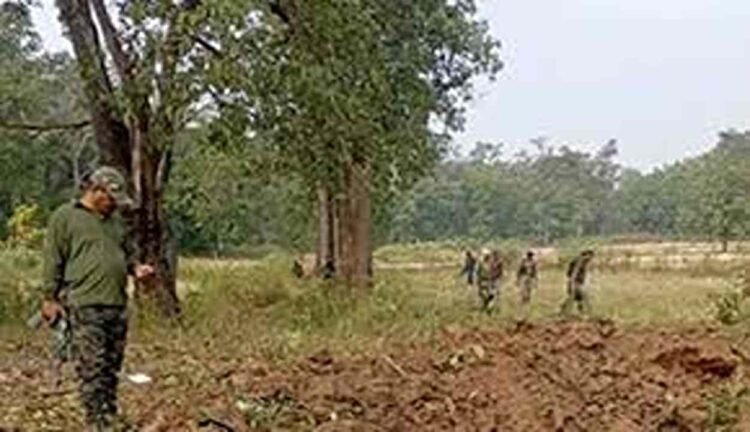
Following the explosion, security forces immediately cordoned off the area and launched a search operation. The objective of the operation is to detect and neutralize any additional explosive devices that may have been planted in nearby locations. Such follow-up searches are crucial, as these devices are often installed in clusters or along commonly used paths.
Appeal for Public Awareness and Caution
In the aftermath of the incident, police authorities issued a strong appeal to local residents. Villagers were urged to exercise extreme caution while venturing into forests or remote regions, especially along dirt tracks and less-traveled paths. Officials advised people to remain vigilant for any suspicious objects, disturbed soil, wires, or unusual materials, and to immediately report such findings to the nearest police station or security camp.
Public awareness plays a vital role in preventing further casualties. Many villagers in these regions rely heavily on forest access for firewood, tendu leaves, farming activities, and daily movement. Without proper information and warnings, civilians remain highly vulnerable to hidden explosive threats.
Pattern of IED Use in the Region
The use of pressure-triggered devices has been a long-standing tactic employed by Maoist groups in central India. These devices are often planted along dirt roads, forest trails, and narrow paths commonly used by security personnel during anti-Naxal operations. However, civilians frequently use the same routes, making them unintended victims of these explosive traps.
The Bastar region, which includes seven districts such as Bijapur, has seen repeated incidents involving such devices. Civilians, including farmers, children, and daily wage workers, have fallen prey to these explosives over the years. The terrain, dense forests, and limited infrastructure further complicate detection and clearance efforts.
Previous Incidents and Ongoing Threat
This is not an isolated incident. Earlier this year, on January 5, a 15-year-old boy was injured in a similar explosion caused by a pressure-based device in the same district. Such incidents indicate that the threat remains persistent and widespread.
According to official data, as many as 46 people lost their lives last year in Maoist-related violence in the Bastar region. These fatalities include deaths caused by gunfights, ambushes, and explosive blasts. A significant portion of these casualties resulted from pressure-triggered devices, underscoring their devastating impact.
Need for Long-Term Solutions
While security operations and search missions are essential, long-term solutions require a combination of sustained area domination, community engagement, and development initiatives. Educating villagers about the risks and signs of hidden explosives can significantly reduce casualties. Additionally, improved infrastructure, better surveillance, and increased coordination between security forces and local communities are critical steps toward ensuring safety.
The loss of a young life in Bijapur serves as a painful reminder of the ongoing challenges in conflict-affected regions. Protecting civilians must remain a top priority as authorities continue efforts to restore peace and security in these vulnerable areas.