
FarmersStrike – CPI and Unions Back Nationwide Protest on Feb 12
FarmersStrike – Senior leaders of the Communist Party of India have thrown their weight behind the nationwide farmers’ strike scheduled for February 12, framing the action as a broader struggle to defend workers’ and farmers’ rights.
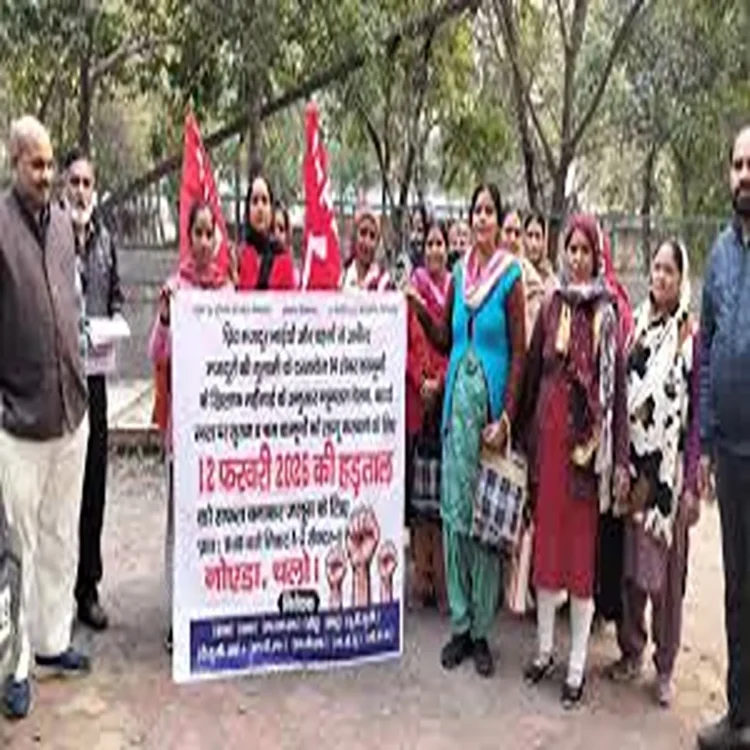
CPI and AITUC Extend Support
Binoy Viswam, a senior leader of the party and working president of the All India Trade Union Congress, said the strike reflects widespread concerns among working people. He described the planned action as a collective effort by farmers’ organisations and labour unions to push back against policies they believe undermine social and economic protections.
According to Viswam, a key demand of the movement is the rollback of the four labour codes enacted by the Centre. He argued that these laws, presented as reforms, have been criticised by unions for diluting worker safeguards. The February 12 protest, he said, would also highlight anxieties over international agreements that sections of the trade union movement view as potentially harmful to domestic interests.
Viswam further pointed to unresolved concerns over the Minimum Support Price system. He recalled that the Union government had earlier withdrawn three farm laws after sustained protests and had assured farmers that their concerns regarding MSP would be addressed. The absence of concrete progress on that front, he suggested, has added to the dissatisfaction now fuelling the strike call.
Joint Call by Farmers and Trade Unions
The planned action has received backing from the Samyukta Kisan Morcha, which has announced support for the nationwide general strike called by central trade unions. Organisers say the February 12 mobilisation is intended to bring together farmers, agricultural labourers, and industrial workers in a coordinated protest across multiple states.
The joint platform has listed several policy issues as part of its agenda. These include opposition to privatisation measures, concerns about contractual employment practices, and objections to the four labour codes. The proposed Electricity Amendment Bill 2025, suggested changes to the Mahatma Gandhi National Rural Employment Guarantee Act framework, and the draft Seed Bill have also been cited as points of contention.
Union representatives from various sectors, including power employees and state transport workers such as those associated with PRTC services, are expected to participate. Organisers anticipate demonstrations, workplace stoppages, and rallies in multiple regions, describing the action as one of the largest coordinated protests since the farmers’ agitation of 2020–21.
Apple Growers Voice Trade Concerns
In Himachal Pradesh, apple growers have stepped up preparations to join the nationwide mobilisation. Farmer groups in the hill state have announced plans for a march to Delhi, expressing apprehension about reduced import duties under trade arrangements between India and the United States.
Growers argue that lower tariffs on imported apples could affect the competitiveness of locally produced fruit, which supports thousands of families in the region. While Union Commerce and Industry Minister Piyush Goyal has publicly assured that domestic producers’ interests will be safeguarded, sections of the farming community remain cautious.
Local associations say the apple economy forms a critical pillar of Himachal Pradesh’s rural livelihood system. Any significant shift in trade policy, they contend, must be carefully assessed to prevent long-term damage to small and medium growers.
Focus on Economic and Sovereignty Issues
Leaders backing the February 12 strike maintain that the protest is not limited to sector-specific grievances. Instead, they present it as part of a wider debate over economic policy, labour protections, and national decision-making in trade matters.
With multiple organisations coordinating at the national level, the coming days are likely to see intensified outreach and mobilisation efforts. Authorities have not yet detailed the administrative arrangements for managing the protests, but large turnouts are expected in key cities and industrial centres.
As the date approaches, the February 12 strike is shaping up to be a significant test of unity between farmers’ groups and trade unions, with both sides asserting that their demands reflect broader public concerns about employment security, agricultural sustainability, and policy direction.