
ElectoralReform – Raghav Chadha Calls for Right to Recall Law
ElectoralReform – Aam Aadmi Party leader and Rajya Sabha member Raghav Chadha on Wednesday urged Parliament to examine the possibility of introducing a legal framework that would allow voters to remove elected representatives before the end of their term. He argued that citizens should have the authority to assess the performance of their MPs and MLAs after a defined period and withdraw their mandate if expectations are not met.
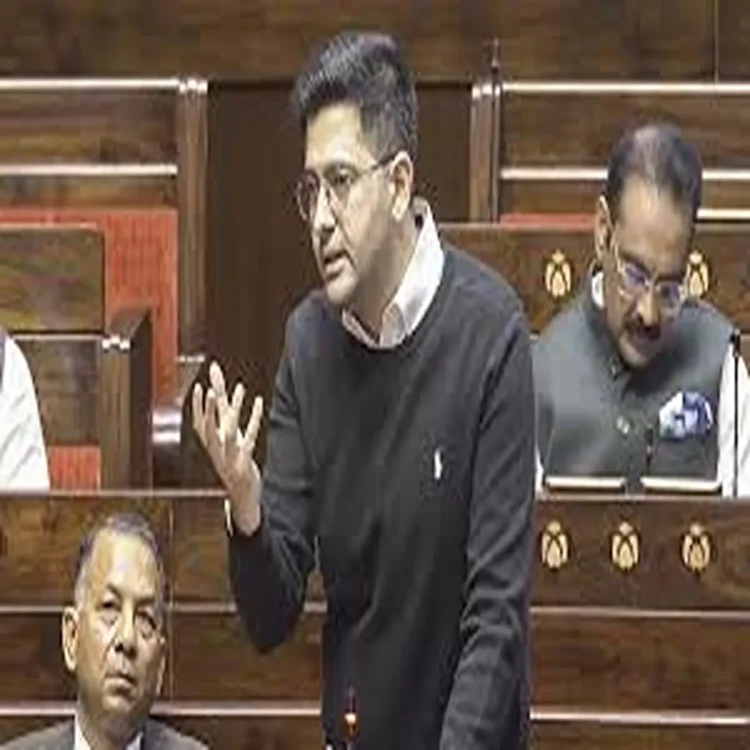
Proposal Raised in the Upper House
Speaking in the Rajya Sabha, Chadha said that the right to recall could strengthen democratic accountability by ensuring that elected leaders remain answerable to the people who voted them into office. His remarks triggered audible reactions from several members across the House, with some expressing reservations about the practicality of such a measure.
Chadha maintained that democracy does not end on polling day. According to him, voters must have a structured mechanism to evaluate performance and act if their representative fails to deliver on commitments made during elections.
Global and Domestic Precedents
In support of his argument, Chadha pointed out that similar recall provisions exist in 24 countries worldwide. He also noted that in India, certain states such as Karnataka and Rajasthan have implemented the right to recall at the panchayat level, allowing local representatives to be removed through a defined process.
He suggested that these examples demonstrate that recall systems can function within democratic frameworks when accompanied by clear guidelines and procedural safeguards.
A Safeguard for Voters’ Mandate
Describing the proposal as an “insurance mechanism” for the electorate, Chadha said the right to recall would protect the sanctity of the vote. He emphasized that voters should not have to wait for the next election cycle if their chosen representative fails to serve public interests.
According to him, granting citizens the authority to withdraw their mandate would reinforce trust in the political system. He argued that elected officials would be more responsive and diligent if they were aware that their performance could be formally reviewed by constituents during their tenure.
Comparison with Impeachment Provisions
Chadha also drew parallels with existing constitutional mechanisms. He observed that high offices such as the President and Vice-President are subject to impeachment under specific circumstances. If such accountability measures are available for constitutional authorities, he reasoned, similar principles could be considered for elected legislators.
He clarified that any proposal for recall should be carefully designed to prevent misuse or political instability. The objective, he said, is not to create uncertainty but to enhance responsibility.
Suggested Safeguards for Implementation
Addressing concerns about potential abuse, Chadha proposed certain safeguards. He suggested that a representative should be deemed recalled only if at least 50 percent of the total registered voters in the constituency participate in the recall process and support the move.
Such a threshold, he argued, would ensure that recall petitions are not driven by small groups or temporary political disagreements. Instead, it would require broad-based public support, reflecting genuine dissatisfaction among voters.
He added that transparent procedures and strict eligibility conditions would be necessary to maintain fairness and stability within the democratic system.
Debate Likely to Continue
The proposal has added a new dimension to ongoing discussions around electoral reform in India. While some lawmakers expressed skepticism, the issue is expected to generate further debate on balancing stability in governance with stronger voter empowerment.
As Parliament continues to deliberate on democratic reforms, the idea of a right to recall may prompt broader conversations about accountability, citizen participation, and the evolving nature of representative democracy in the country.