
ElectionResults – Supreme Court Declines Plea Against Bihar Assembly Poll Outcome
ElectionResults – The Supreme Court on Friday declined to take up a petition filed by the Jan Suraaj Party, led by political strategist Prashant Kishor, challenging both the conduct and outcome of the 2025 Bihar Assembly elections. The court made it clear that it could not issue a sweeping order to invalidate the entire electoral exercise at the request of a political party dissatisfied with the results.
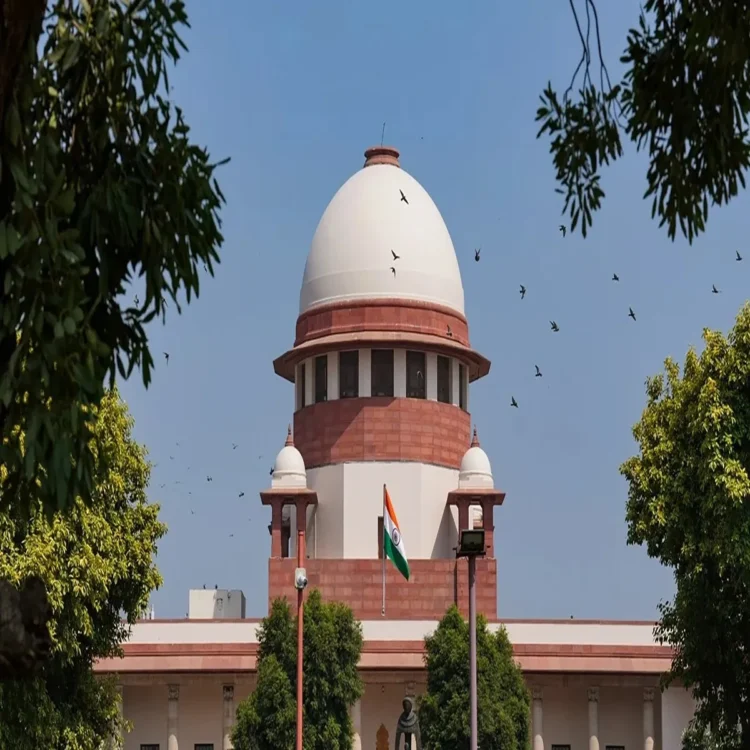
Judges say Supreme Court is not the first forum
A bench headed by Chief Justice of India Surya Kant, along with Justice Joymalya Bagchi, advised the party to pursue its grievances before the Patna High Court. The judges emphasized that the Supreme Court should not ordinarily be approached as the first forum for disputes related to state-level elections, particularly when alternative legal remedies are available.
The bench noted that election-related challenges generally require detailed examination of facts, evidence, and local circumstances. Such issues, the court observed, are better addressed initially by the jurisdictional High Court rather than being brought directly before the country’s highest judicial body.
Court rules out blanket annulment of elections
During the hearing, the bench underlined that it could not grant an all-encompassing direction to set aside an entire election process. The judges stated that the outcome of a democratic exercise involving millions of voters cannot be overturned solely because a political party is unhappy with the final results.
The court further observed that any allegation questioning the fairness of an election must be supported by specific facts and examined through established legal procedures. A general plea seeking to nullify the whole electoral process, the bench said, does not meet the threshold required for intervention by the Supreme Court.
Background of the Jan Suraaj Party’s petition
The Jan Suraaj Party approached the Supreme Court following a poor showing in the Bihar Assembly elections held in November 2025. The party had contested 238 seats across the state but failed to secure a single victory. In addition, most of its candidates lost their security deposits, reflecting a lack of electoral support.
In its petition, the party questioned the integrity of the election process and alleged that certain actions taken by the state government during the election period compromised the level playing field mandated under election laws.
Allegations linked to welfare scheme payments
A key allegation raised by the party concerned the transfer of funds under the Mukhyamantri Mahila Rojgar Yojana. According to the petition, the Bihar government transferred Rs 10,000 each to women beneficiaries after the election schedule had been officially announced.
The party argued that these transfers amounted to a violation of the Model Code of Conduct, which comes into force once elections are declared. It claimed that such payments could be viewed as inducements to voters and therefore undermined the fairness and neutrality expected during the electoral process.
Request for Election Commission scrutiny
Based on these allegations, the Jan Suraaj Party sought directions from the Supreme Court to the Election Commission of India. The petition urged the commission to examine the matter under Article 324 of the Constitution, which vests it with powers to supervise and conduct elections, and Section 123 of the Representation of the People Act, which deals with corrupt electoral practices.
The party contended that the alleged violations warranted an inquiry to determine whether the transfers influenced voters and affected the credibility of the election.
Next legal steps remain open
While declining to entertain the plea, the Supreme Court made it clear that it was not expressing any opinion on the merits of the allegations. By directing the party to approach the Patna High Court, the bench left open the possibility for the grievances to be examined through appropriate legal channels.
The ruling reinforces the established judicial principle that election disputes should follow the prescribed legal hierarchy, ensuring that factual issues are first assessed at the appropriate forum before reaching the apex court